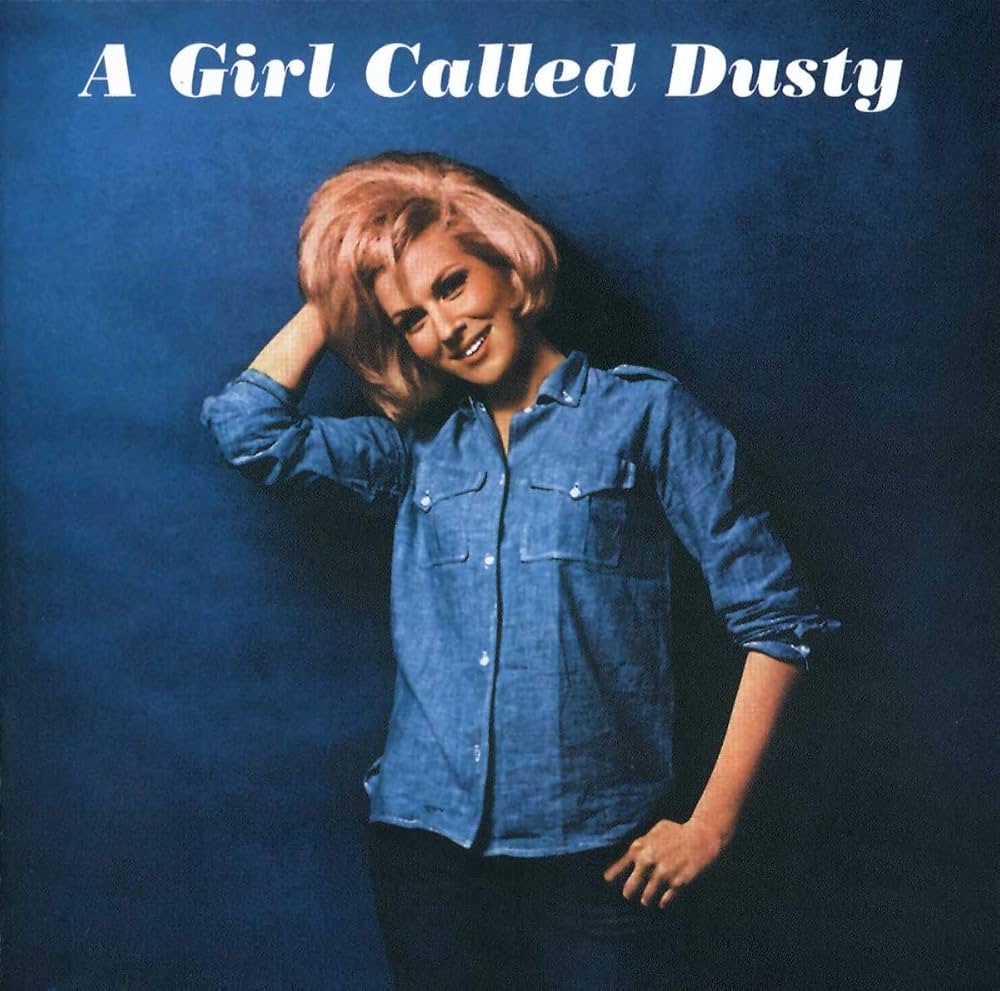
Dusty Springfield’s arrival as a solo artist could hardly have been more impressive. After finding success as a member of the Springfields, she stepped into the spotlight alone with A Girl Called Dusty, a debut album that immediately established her as one of the most distinctive voices in British popular music. Released in 1964 during the height of the British Invasion, the album demonstrated that Springfield wasn’t interested in simply following trends. Instead, she drew deeply from American soul, rhythm and blues, and pop while creating a sound that was entirely her own.
Possessing one of the richest and most emotionally expressive voices of her generation, Springfield could move effortlessly from heartbreak to exuberance without sacrificing sincerity. Unlike many pop singers of the era, she sang with remarkable emotional maturity, giving every lyric a sense of authenticity that transcended commercial songwriting.
Although Dusty in Memphis would later become the album most closely associated with her legacy, A Girl Called Dusty laid the foundation for everything that followed. It revealed an artist with exceptional taste in material, impeccable vocal instincts, and a deep appreciation for American soul music years before it became fashionable in Britain.
More than half a century later, the album remains one of the strongest debut records of the British pop era.
Album Overview
A Girl Called Dusty is an album built on versatility.
Rather than committing to a single musical style, Springfield effortlessly moves between pop, rhythm and blues, soul, girl-group influences, and jazz-tinged ballads. The variety never feels scattered because her unmistakable voice provides a consistent emotional thread throughout the record.
The arrangements reflect the polished production style of early 1960s British pop while clearly revealing Springfield’s admiration for American music. Horn sections, strings, piano, and tasteful rhythm sections create vibrant backdrops without overwhelming the performances.
The pacing is particularly effective. Upbeat dance numbers are balanced by intimate ballads, allowing Springfield to showcase every aspect of her vocal ability.
Perhaps the album’s greatest achievement is its confidence. This never sounds like a tentative first solo effort. From beginning to end, Springfield performs with the assurance of an artist who already understands exactly who she is.
Songwriting
Like many great pop albums of the era, A Girl Called Dusty relies on exceptional song selection rather than original compositions.
Springfield demonstrates remarkable instincts for choosing material that highlights both her vocal strengths and emotional range.
“I Only Want to Be with You,” her breakthrough solo hit, remains one of the defining singles of the 1960s. Its infectious melody and joyful energy perfectly complement Springfield’s warm, expressive delivery.
“Wishin’ and Hopin’,” written by Burt Bacharach and Hal David, combines irresistible pop craftsmanship with playful charm.
Her interpretation of “When the Lovelight Starts Shining Through His Eyes,” originally recorded by The Supremes, demonstrates her deep appreciation for Motown while adding her own distinctive emotional touch.
Throughout the album, themes of love, optimism, heartbreak, and longing are explored with refreshing directness. The songs may be rooted in early 1960s pop conventions, but their emotional honesty has allowed them to endure.
Performance
Dusty Springfield’s voice is unquestionably the album’s greatest asset.
Rich, smoky, and effortlessly expressive, her vocals possess a remarkable ability to communicate vulnerability without sacrificing strength. She could whisper intimate ballads one moment and deliver soaring pop choruses the next, always maintaining impeccable control.
What separates Springfield from many of her contemporaries is her phrasing. She rarely sings exactly as expected, subtly reshaping melodies and emphasizing individual words to heighten emotional impact.
Her performances also reveal an obvious affection for American soul music. While never imitating singers like Aretha Franklin or Martha Reeves, Springfield absorbed their emotional directness and incorporated it naturally into her own style.
The backing musicians perform admirably throughout the album, providing polished arrangements that allow Springfield’s voice to remain firmly at the center of every performance.
Even on the lighter pop numbers, her vocal commitment elevates the material well beyond its commercial origins.
Production
The production captures the polished optimism of early 1960s British pop remarkably well.
Producer Johnny Franz surrounds Springfield with bright, energetic arrangements that emphasize melody and rhythm without becoming cluttered.
The instrumental balance is excellent, allowing every element—from brass accents to backing vocals—to complement rather than compete with Springfield’s performances.
Although the recording occasionally reflects the production techniques of its era, it has aged gracefully thanks to the strength of the performances themselves.
Modern remasters preserve the warmth of Springfield’s vocals while revealing additional detail in the instrumentation.
The album remains an enjoyable listening experience more than sixty years after its original release.
Standout Tracks
Several songs have become cornerstones of Dusty Springfield’s catalog.
“I Only Want to Be with You” remains one of the greatest debut singles in British pop history, combining infectious energy with a flawless vocal performance.
“Stay Awhile” showcases Springfield’s remarkable ability to communicate tenderness through subtle phrasing.
“Wishin’ and Hopin'” bursts with charm and melodic sophistication, while “When the Lovelight Starts Shining Through His Eyes” demonstrates her deep understanding of American soul music.
“Mama Said” adds another memorable performance to an album filled with consistently excellent singing.
The quality rarely dips throughout the record.
Weak Points
Although A Girl Called Dusty is an impressive debut, it falls just short of Springfield’s later masterpieces.
A few album tracks feel more like products of the early 1960s pop market than timeless artistic statements, lacking the emotional depth of the strongest material.
The production, while polished, occasionally reflects the slightly restrained approach of British pop before the full impact of soul music reshaped the decade.
Additionally, Springfield’s later recordings benefited from more adventurous arrangements and stronger thematic cohesion.
These are relatively minor shortcomings on an otherwise excellent album.
Legacy
A Girl Called Dusty established Dusty Springfield as one of Britain’s greatest female vocalists and laid the foundation for a remarkable career.
Its blend of British pop craftsmanship and American soul influences helped pave the way for the “blue-eyed soul” movement that would flourish later in the decade.
Springfield’s influence extends to artists including Elvis Costello, Annie Lennox, Adele, and Amy Winehouse, all of whom have praised her remarkable ability to combine technical excellence with emotional honesty.
Although Dusty in Memphis often receives greater critical attention, this debut remains essential for understanding Springfield’s artistic development and the extraordinary vocal gifts that would define her career.
Final Score
8.5/10
A Girl Called Dusty is a superb debut that introduced one of the finest voices in popular music. Dusty Springfield’s remarkable vocals, excellent song selection, and effortless blend of British pop and American soul make the album consistently enjoyable from beginning to end. While it doesn’t quite reach the artistic heights of her later masterpieces, it stands comfortably among the strongest debut albums of the 1960s and remains an essential recording for anyone interested in classic pop and soul.
This post has already been read 2 times!