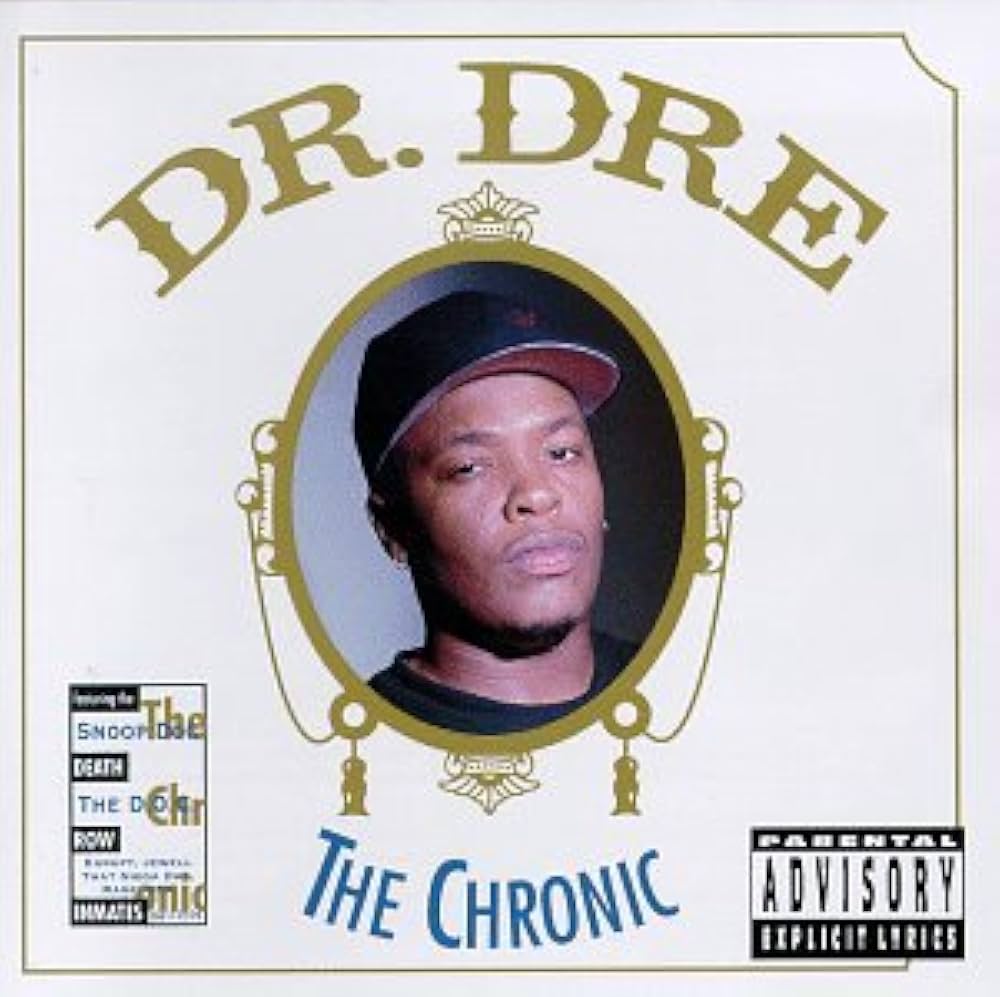
When The Chronic arrived on December 15, 1992, it didn’t simply introduce a successful new rap album—it redefined the sound of hip-hop. Dr. Dre had recently left N.W.A under bitter circumstances, severing ties with Ruthless Records and embarking on an uncertain future with the newly formed Death Row Records. Many questioned whether he could replicate the magic that had made N.W.A one of the most influential groups in rap history.
The answer came in spectacular fashion.
The Chronic became one of the most important albums ever released, not only launching Dr. Dre’s solo career but also introducing the wider world to a young rapper named Snoop Doggy Dogg. More significantly, it established G-funk as the dominant sound of West Coast hip-hop throughout the 1990s. Thick synthesizers, deep bass, Parliament-Funkadelic-inspired grooves, laid-back rhythms, and immaculate production created a sonic blueprint that countless artists would imitate for years.
Commercially, the album was a phenomenon, selling millions of copies while producing multiple hit singles. Critically, it elevated production to an art form equal to rapping itself. Nearly every modern hip-hop producer owes something to the innovations heard on The Chronic.
More than thirty years later, it remains one of the defining albums in the history of rap.
Album Overview
Unlike many hip-hop albums of its era, The Chronic feels meticulously constructed from beginning to end. Dr. Dre approached production with an almost obsessive attention to detail, layering synthesizers, live instrumentation, vocal harmonies, and razor-sharp drum programming into a sound that was simultaneously smooth and powerful.
The influence of George Clinton and Parliament-Funkadelic is impossible to miss. Rather than simply sampling funk records, Dre rebuilt their spirit into something modern. The result was G-funk: elastic bass lines, high-pitched synthesizer leads, relaxed grooves, and crisp percussion that sounded unlike anything dominating rap radio at the time.
The album also functions as a showcase for an extraordinary collection of talent. Alongside Dre are unforgettable appearances from Snoop Doggy Dogg, RBX, Lady of Rage, Nate Dogg, Daz Dillinger, Kurupt, Warren G, and numerous others. Instead of overshadowing the album, these guest appearances make it feel like the introduction of an entire musical movement.
Although skits appear throughout the record—a common practice in early-’90s hip-hop—they occasionally interrupt the pacing for modern listeners. Even so, they contribute to the album’s larger-than-life atmosphere and cinematic presentation.
Songwriting
One of the album’s greatest achievements is its remarkable consistency.
“Nuthin’ but a ‘G’ Thang” remains one of the most recognizable songs in hip-hop history. Built around an effortlessly smooth groove, Dre and Snoop trade verses with incredible chemistry while the production glides forward with seemingly effortless confidence.
“Let Me Ride” slows the pace without sacrificing momentum. The layered instrumentation, vocal arrangements, and deep bass create one of Dre’s finest productions.
“Fuck wit Dre Day (And Everybody’s Celebratin’)” combines humor, bravado, and razor-sharp production into one of rap’s great diss records. Its infectious beat nearly overshadows the lyrical jabs.
“Ain’t No Fun (If the Homies Can’t Have None)” features one of the album’s strongest ensemble performances, balancing melodic hooks with charismatic verses from multiple contributors.
“Deeez Nuuuts” showcases Dre’s talent for creating infectious grooves while introducing listeners to several rising West Coast voices.
“The Day the Niggaz Took Over” broadens the album’s scope with socially conscious observations inspired by the 1992 Los Angeles riots, demonstrating that The Chronic isn’t solely focused on party records and street narratives.
Meanwhile, tracks like “Lyrical Gangbang,” “Stranded on Death Row,” and “Bitches Ain’t Shit” reinforce the collaborative nature of the project, giving the supporting cast opportunities to shine.
Some lyrical themes have aged less gracefully than the production. Misogyny and homophobia, common throughout much of gangsta rap during the era, remain difficult aspects of the album to overlook. They don’t diminish its musical importance, but they do complicate its legacy for contemporary listeners.
Performance
Dr. Dre has never been regarded as the most technically dazzling rapper, and The Chronic doesn’t attempt to present him as one.
Instead, his greatest strength lies in control. His relaxed flow perfectly complements his production, delivering verses with authority and confidence rather than overwhelming speed or verbal complexity.
The album’s breakout star is unquestionably Snoop Doggy Dogg.
His effortless charisma, elastic flow, conversational delivery, and instantly recognizable voice transform nearly every track he appears on. It’s difficult to imagine another debut guest performance having such a profound impact on an album. Snoop doesn’t merely complement Dre—he elevates the record to another level.
Nate Dogg’s soulful hooks become another defining ingredient of the G-funk sound, while RBX, Lady of Rage, Daz Dillinger, Kurupt, and Warren G all make memorable contributions.
Together, the supporting cast turns The Chronic into something much larger than a traditional solo album.
Production
This is where The Chronic becomes legendary.
Dr. Dre’s production is astonishingly sophisticated, especially considering the era. Every drum hit feels perfectly placed. Every bass line carries enormous weight without muddying the mix. The synthesizers shimmer while leaving room for the vocals to dominate.
The album also demonstrates exceptional sequencing. Despite its generous runtime, each song naturally leads into the next, creating a cohesive listening experience rather than simply a collection of singles.
Perhaps most impressive is how well the production has aged. While countless early-’90s hip-hop albums sound trapped within their decade, The Chronic remains fresh because of its warmth, clarity, and musicality.
It established production standards that continue influencing hip-hop more than thirty years later.
Standout Tracks
“Nuthin’ but a ‘G’ Thang”
One of the greatest hip-hop songs ever recorded. Every element—from the beat to the performances—is virtually flawless.
“Let Me Ride”
A slower, hypnotic groove that highlights Dre’s extraordinary ability to build atmosphere through production.
“Fuck wit Dre Day (And Everybody’s Celebratin’)”
An unforgettable diss record that combines humor, confidence, and one of the album’s most infectious instrumentals.
“Ain’t No Fun (If the Homies Can’t Have None)”
A showcase for the Death Row roster, featuring outstanding chemistry between every performer.
“The Day the Niggaz Took Over”
One of the album’s most serious and thought-provoking tracks, proving Dre’s vision extended beyond party anthems.
Weak Points
Musically, there is remarkably little to criticize.
The album’s primary weaknesses stem from its lyrical content rather than its craftsmanship. Some themes and attitudes reflect an era of gangsta rap that many listeners understandably find uncomfortable today. While they are historically representative of the period, they can make portions of the album more difficult to revisit.
The skits, although entertaining upon release, also feel longer than necessary by modern standards and occasionally disrupt the pacing.
Neither issue substantially diminishes the album’s artistic achievements, but they prevent it from being entirely timeless.
Legacy
Few albums have changed hip-hop as dramatically as The Chronic.
It introduced G-funk to mainstream audiences, transformed Death Row Records into the industry’s dominant rap label, launched Snoop Doggy Dogg into superstardom, and firmly established Dr. Dre as one of music’s greatest producers.
Its influence extends far beyond West Coast rap. Producers across hip-hop, R&B, pop, and even electronic music continue drawing inspiration from its layered arrangements, deep grooves, and pristine mixes.
The album also shifted how audiences evaluated rap records. Production became just as important as lyrical ability, and Dre demonstrated that sonic craftsmanship could elevate an album into something cinematic.
Countless classic hip-hop albums followed in its wake, but few have matched its combination of innovation, confidence, accessibility, and enduring influence.
Final Score: 10/10
The Chronic is one of the defining masterpieces of hip-hop. Dr. Dre’s revolutionary production, Snoop Doggy Dogg’s star-making performances, unforgettable grooves, and the creation of the G-funk sound combine to produce an album that permanently altered the direction of rap music. While some lyrical content reflects attitudes that have aged poorly, its artistic impact, technical brilliance, and historical importance remain virtually unmatched. More than thirty years after its release, The Chronic still stands as one of the greatest and most influential albums ever made.
This post has already been read 44 times!