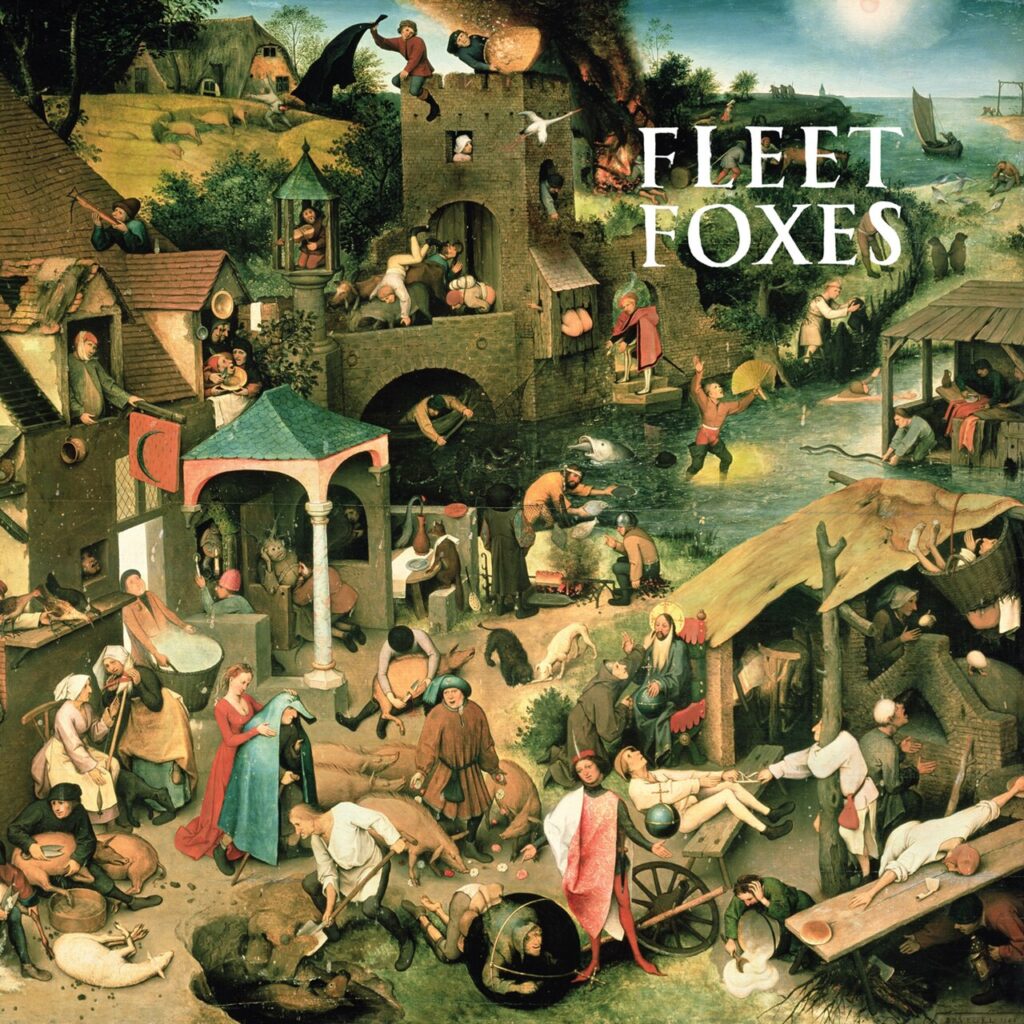
Sometimes an album arrives at exactly the right cultural moment. In 2008, popular music was increasingly dominated by glossy pop production, electronic experimentation, and indie rock bands chasing bigger, louder sounds. Then came Fleet Foxes, whose self-titled debut seemed to exist outside of time altogether.
Released on June 3, 2008, Fleet Foxes felt less like a modern indie record than a rediscovered folk classic from another era. Drawing inspiration from British folk, American traditional music, chamber pop, country, and the rich vocal harmonies of groups like Crosby, Stills, Nash & Young and The Beach Boys, the Seattle quintet crafted an album that sounded both ancient and refreshingly new.
Led by songwriter Robin Pecknold, Fleet Foxes embraced patience, subtlety, and craftsmanship in an era increasingly driven by immediacy. Rather than relying on explosive choruses or elaborate studio tricks, the band invited listeners into a world of pastoral imagery, layered harmonies, and quietly profound songwriting.
The gamble paid off.
The album became one of the defining indie folk releases of the 2000s, earning widespread critical acclaim while helping spark a renewed interest in harmony-driven folk music. More importantly, it remains one of the rare debut albums that feels completely self-assured from its opening moments.
Album Overview
From its opening notes, Fleet Foxes establishes a remarkable sense of place.
The arrangements are rich but never crowded. Acoustic guitars, pianos, mandolins, dulcimers, subtle percussion, and carefully layered vocal harmonies weave together into music that feels organic and effortless. Producer Phil Ek captures the band with exceptional warmth, allowing every instrument to breathe naturally.
The pacing is deliberate.
Rather than racing toward obvious hooks, the album unfolds gradually, rewarding listeners who are willing to spend time inside its world. Every song contributes to a cohesive atmosphere built around nature, memory, spirituality, and the passage of time.
Despite its strong folk influences, the record avoids becoming nostalgic pastiche. Fleet Foxes absorb traditional music into their own identity instead of simply recreating it.
The result is an album that feels timeless rather than retro.
Songwriting
Robin Pecknold immediately establishes himself as one of his generation’s finest songwriters.
“Sun It Rises” gently opens the album before “White Winter Hymnal” delivers one of indie folk’s defining moments. Built around a deceptively simple melody and extraordinary vocal harmonies, it remains one of the most recognizable songs of the 2000s.
“Ragged Wood” introduces more rhythmic energy without disrupting the album’s gentle atmosphere.
“Tiger Mountain Peasant Song” strips things back to little more than Pecknold’s voice and acoustic guitar, demonstrating how emotionally effective simplicity can be.
“Quiet Houses” and “He Doesn’t Know Why” continue the album’s remarkable consistency, each offering memorable melodies without resorting to obvious pop structures.
The emotional centerpiece arrives with “Blue Ridge Mountains.” Its soaring harmonies, understated arrangement, and breathtaking melodic progression make it one of the finest folk songs of the century.
The closing trio of “Your Protector,” “Meadowlarks,” and “Oliver James” provides a beautifully restrained conclusion, ending the album with quiet grace rather than dramatic finality.
There isn’t a weak song anywhere on the record.
Performance
Fleet Foxes’ greatest instrument is their collective voice.
The harmonies throughout the album are extraordinary.
Robin Pecknold’s lead vocals possess warmth, vulnerability, and remarkable control without ever sounding overly polished. His voice feels perfectly suited to the introspective nature of the material.
The supporting vocalists elevate nearly every song, creating lush harmonic textures that often become as memorable as the melodies themselves.
Instrumentally, every musician demonstrates remarkable discipline.
No one overplays. Acoustic guitars remain delicate, percussion stays understated, and keyboards subtly enhance rather than dominate the arrangements.
This commitment to serving the songs allows the emotional power of the music to emerge naturally.
Production
Phil Ek’s production is exceptional.
The album sounds spacious, intimate, and completely natural. Acoustic instruments retain their warmth, while the vocal harmonies occupy a beautiful three-dimensional space within the mix.
Rather than relying on artificial studio effects, the production emphasizes room ambience and organic performance, giving the music a timeless quality.
The dynamic range also deserves praise.
Quiet moments remain genuinely quiet, making the occasional crescendos feel earned rather than manufactured.
Even more than fifteen years later, the album’s sonic character remains stunning.
Standout Tracks
“Blue Ridge Mountains”
A breathtaking folk masterpiece featuring some of the most beautiful harmonies of the 21st century.
“White Winter Hymnal”
Simple, unforgettable, and instantly recognizable, it became the band’s signature song for good reason.
“Ragged Wood”
A joyful burst of energy that demonstrates the band’s remarkable chemistry.
“Tiger Mountain Peasant Song”
An intimate acoustic gem showcasing Robin Pecknold’s understated songwriting.
“He Doesn’t Know Why”
Elegant melodies and gorgeous vocal arrangements combine to create one of the album’s hidden treasures.
Weak Points
The album’s unwavering commitment to subtlety can occasionally work against it.
Several songs unfold at similar tempos and emotional registers, making portions of the second half blend together during casual listening. Greater dynamic variation might have added additional contrast.
Additionally, listeners seeking immediate hooks or dramatic climaxes may initially find the album’s restrained approach too gentle.
These criticisms reflect matters of taste more than genuine artistic shortcomings.
Legacy
Fleet Foxes became one of the defining records of the indie folk revival.
Its influence can be heard throughout the work of bands such as Bon Iver, The Head and the Heart, Lord Huron, and countless singer-songwriters who embraced rich harmonies and organic arrangements during the following decade.
The album also established Robin Pecknold as one of contemporary folk music’s most respected composers, paving the way for the even more ambitious Helplessness Blues.
More importantly, Fleet Foxes proved that quiet, thoughtful music could still command widespread attention in an increasingly noisy musical landscape.
Its reputation has only grown stronger with time.
Final Score: 9/10
Fleet Foxes is one of the finest folk-rock debuts of the 21st century. Robin Pecknold’s exceptional songwriting, breathtaking vocal harmonies, and Phil Ek’s beautifully natural production create an album of remarkable warmth and emotional depth. While its restrained pacing and consistent mood may not appeal to every listener, its craftsmanship, timeless beauty, and enduring influence make it an essential modern folk classic.
This post has already been read 49 times!