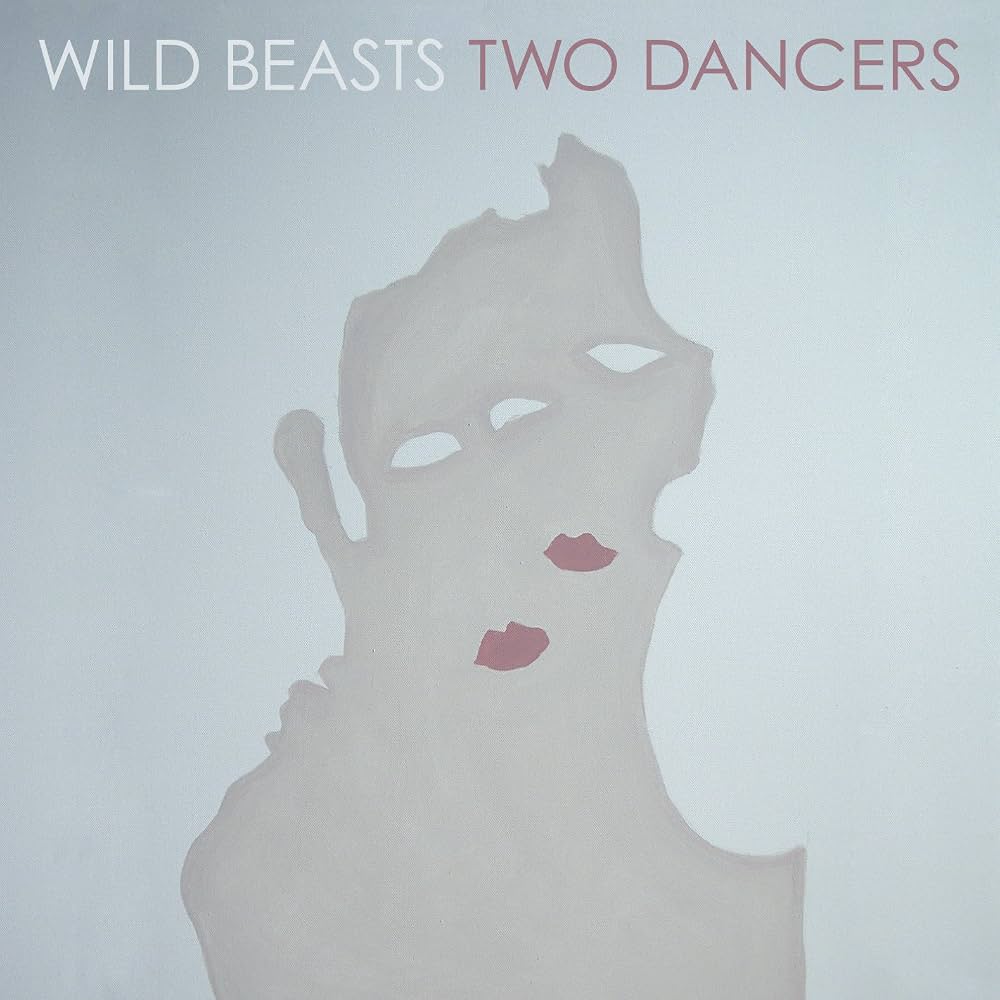
Some albums make an immediate impression with enormous hooks and larger-than-life production. Others reveal themselves slowly, growing richer and more rewarding with every listen. Two Dancers belongs firmly in the second category.
Released on August 24, 2009, Wild Beasts’ second album represented a remarkable leap forward from their already promising debut, Limbo, Panto. While that first record showcased the Kendal quartet’s adventurous art-rock tendencies and unconventional vocal approach, Two Dancers refined those ideas into something far more emotionally resonant and accessible without sacrificing the band’s unique identity.
At a time when indie rock was crowded with jangly guitars and post-punk revival acts, Wild Beasts carved out a space entirely their own. Their music combined art rock, chamber pop, indie folk, post-punk, and baroque pop with lyrics that explored desire, vulnerability, masculinity, romance, and obsession through unusually poetic language.
What truly set the band apart, however, was the partnership between Hayden Thorpe and Tom Fleming. Their dramatically contrasting voices—Thorpe’s soaring falsetto and Fleming’s deep, commanding baritone—created one of the most distinctive vocal combinations in modern indie music.
Two Dancers may never have become a mainstream blockbuster, but it remains one of the hidden gems of late-2000s indie rock.
Album Overview
Unlike many indie albums built around a handful of obvious singles, Two Dancers succeeds through atmosphere and cohesion.
The arrangements are intricate without becoming cluttered. Delicate guitars, shimmering keyboards, elegant bass lines, subtle percussion, and occasional orchestral flourishes create music that constantly shifts between intimacy and tension.
Producer Richard Formby understands that space is one of the band’s greatest strengths. Instruments are given room to breathe, allowing tiny melodic details and vocal harmonies to emerge naturally.
The album also demonstrates remarkable emotional balance.
Moments of quiet vulnerability are frequently interrupted by bursts of rhythmic energy, while romantic tenderness often gives way to emotional uncertainty. These contrasts give the record a restless quality that mirrors its lyrical themes.
Although unmistakably an indie rock album, Two Dancers continually borrows ideas from chamber pop, progressive rock, folk, and even jazz, creating a sound that remains difficult to categorize.
Songwriting
Hayden Thorpe’s songwriting reaches an entirely new level here.
“The Fun Powder Plot” immediately establishes the album’s theatrical atmosphere through intricate rhythms and vivid lyrical imagery.
“Hooting & Howling” follows with one of the band’s most immediate songs, balancing danceable grooves with emotional complexity. It remains one of Wild Beasts’ signature recordings.
“All the King’s Men” demonstrates the band’s remarkable ability to write songs that are both intellectually engaging and emotionally affecting.
“The Devil’s Crayon” introduces one of the album’s darkest emotional moments, while “This Is Our Lot” offers surprising warmth beneath its sophisticated arrangement.
The emotional centerpiece arrives with “Two Dancers (I).” Built around breathtaking vocal interplay and subtle instrumentation, it perfectly captures the album’s themes of longing, intimacy, and fragile relationships.
“We Still Got the Taste Dancin’ on Our Tongues” provides one of the record’s most memorable choruses, blending elegance with quiet passion.
The album concludes with “Two Dancers (II),” bringing the narrative full circle through understated beauty rather than dramatic resolution.
Few albums reward repeated listening quite as generously.
Performance
Wild Beasts’ defining strength lies in their extraordinary vocal chemistry.
Hayden Thorpe’s falsetto is instantly recognizable. Fragile, expressive, and emotionally fearless, it constantly pushes beyond conventional indie rock singing without becoming theatrical for its own sake.
Tom Fleming provides the perfect counterbalance. His rich baritone grounds the music, creating dramatic tension whenever the two voices intertwine.
Ben Little’s guitar work is consistently inventive, avoiding traditional indie rock clichés in favor of shimmering textures and melodic restraint.
Chris Talbot’s drumming deserves equal praise. His rhythms are subtle yet endlessly creative, providing movement without overwhelming the intricate arrangements.
Collectively, the band demonstrates remarkable musical maturity.
Every performance feels carefully considered without sacrificing emotional spontaneity.
Production
Richard Formby’s production is beautifully understated.
Rather than chasing fashionable studio effects, he emphasizes clarity, dynamics, and natural instrumental textures.
Every instrument occupies its own sonic space. Guitars sparkle without becoming harsh, keyboards quietly expand the arrangements, and the rhythm section remains warm and organic throughout.
Perhaps most impressive is how well the production complements the vocal performances. Thorpe’s falsetto never feels disconnected from Fleming’s deeper voice, allowing both singers to occupy distinct emotional spaces within the mix.
The album has aged exceptionally well because it prioritizes atmosphere over production trends.
Standout Tracks
“Hooting & Howling”
One of the band’s defining songs, balancing infectious rhythms with emotional sophistication.
“Two Dancers (I)”
A stunning centerpiece featuring extraordinary vocal interplay and elegant songwriting.
“All the King’s Men”
An inventive composition that perfectly captures Wild Beasts’ unique artistic identity.
“We Still Got the Taste Dancin’ on Our Tongues”
One of the album’s most emotionally satisfying moments, featuring a gorgeous melodic payoff.
“The Fun Powder Plot”
A compelling opener that immediately establishes the album’s mysterious atmosphere.
Weak Points
Two Dancers demands patience.
Its subtle songwriting, poetic lyrics, and unconventional vocal approach may initially feel distant for listeners expecting immediate hooks. Many of its greatest moments reveal themselves only after repeated listening.
The album also occasionally prioritizes atmosphere over memorable choruses, meaning a handful of tracks feel more rewarding within the full album than on their own.
These qualities contribute to its artistic identity but naturally limit its broader accessibility.
Legacy
Although it never achieved widespread commercial success, Two Dancers has become one of the most respected indie albums of its era.
Its influence can be heard throughout later art-pop and experimental indie acts that embraced theatrical vocals, adventurous arrangements, and emotionally nuanced songwriting.
The album also marked Wild Beasts’ emergence as one of Britain’s most creative bands, laying the foundation for later releases such as Smother and Present Tense.
Today, Two Dancers enjoys an almost cult-like reputation among indie fans, frequently appearing on lists celebrating overlooked masterpieces of the late 2000s.
Its reputation has quietly continued to grow with time.
Final Score: 8.5/10
Two Dancers is an elegant, emotionally rich, and endlessly intriguing indie rock album. Wild Beasts’ remarkable vocal chemistry, sophisticated songwriting, and Richard Formby’s understated production create a listening experience unlike almost anything else released during the late 2000s. While its subtle nature and unconventional style demand patience, the rewards are considerable. It may not possess the immediate impact of the decade’s biggest indie classics, but it stands as one of its most distinctive and quietly brilliant achievements.
This post has already been read 46 times!