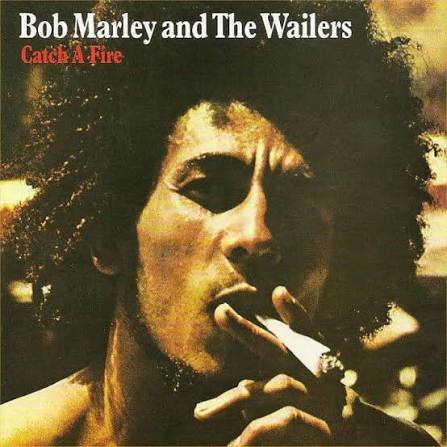
Before Catch a Fire, reggae was largely viewed outside Jamaica as a regional curiosity. Within a year of its release in 1973, that perception had begun to change. Bob Marley & The Wailers didn’t invent reggae, but this landmark album introduced millions of listeners around the world to its infectious rhythms, socially conscious lyrics, and unmistakable spirit.
Produced with an eye toward an international audience, Catch a Fire represented a turning point not only for Marley but for reggae as a whole. Island Records founder Chris Blackwell gave the group the resources to create a polished album that maintained its Jamaican roots while adding touches of rock and soul that would resonate with listeners in Europe and North America.
The result is one of the most influential debut albums in popular music history. It announced Bob Marley as a global voice while laying the foundation for a career that would forever change the landscape of world music.
Album Overview
Although The Wailers had already released several records in Jamaica, Catch a Fire served as their international breakthrough. The lineup of Bob Marley, Peter Tosh, and Bunny Wailer was firing on all cylinders, supported by the legendary Barrett brothers—Aston “Family Man” Barrett on bass and Carlton Barrett on drums—whose rhythmic chemistry became one of reggae’s defining sounds.
The album balances political protest, spiritual reflection, romance, and everyday struggles with remarkable confidence. Every track feels purposeful, offering something unique while contributing to a cohesive listening experience.
What separates Catch a Fire from many early reggae records is its accessibility. The production smooths some of reggae’s rougher edges without sacrificing authenticity. Electric guitar solos, subtle keyboard textures, and crisp arrangements help bridge Jamaican music with mainstream rock audiences.
Far from diluting reggae, the album expanded its reach.
Songwriting
Bob Marley’s songwriting was already remarkably mature.
Rather than relying on simple protest songs, he wrote about freedom, injustice, love, faith, and resilience in ways that felt both deeply personal and universally relatable. His lyrics avoid heavy-handed preaching, instead inviting listeners into stories that carry emotional and political weight.
“Concrete Jungle” opens the album with a vivid portrait of urban hardship and alienation. The imagery is powerful without becoming melodramatic, immediately establishing the thoughtful tone that runs throughout the record.
“Slave Driver” confronts the lingering legacy of colonialism and oppression. Marley links historical slavery to contemporary inequality, creating one of the album’s most forceful political statements.
“400 Years,” written by Peter Tosh, expands those themes with equal conviction, serving as a reminder that The Wailers were a true collective rather than simply Bob Marley with backing musicians.
On lighter moments like “Stir It Up,” Marley demonstrates his gift for writing timeless love songs. The relaxed groove and memorable melody make it one of the most enduring tracks in his catalog.
The songwriting throughout the album reflects a remarkable balance between social awareness and musical enjoyment.
Performance
Bob Marley’s voice remains one of popular music’s most distinctive instruments.
His delivery is passionate without becoming theatrical. Every lyric feels lived rather than performed, allowing even simple phrases to carry emotional weight.
Peter Tosh and Bunny Wailer provide exceptional harmony vocals that enrich every chorus. Their contributions often go overlooked, but the trio’s vocal blend gives Catch a Fire much of its warmth and character.
The musicianship throughout the album is exceptional.
Family Man Barrett’s bass lines are melodic enough to function as secondary hooks while remaining firmly rooted in the groove. Carlton Barrett’s drumming is equally impressive, using subtle syncopation to create the hypnotic rhythms that define classic reggae.
The guitar work deserves special mention as well.
Whether providing rhythmic skanks or blues-influenced lead lines, the guitars add texture without overshadowing the rhythm section.
Everyone understands that the groove is the true star.
Production
Chris Blackwell’s production helped make Catch a Fire a crossover success.
Rather than presenting the recordings exactly as they had been made in Jamaica, additional overdubs—including tasteful rock guitar work and keyboard flourishes—were incorporated to appeal to international audiences.
Purists occasionally debate whether these additions softened the music too much, but history suggests they were remarkably effective.
The production never buries the reggae rhythms beneath rock instrumentation. Instead, it creates an elegant fusion that feels natural rather than forced.
The mix remains clean and spacious, allowing every instrument to breathe while preserving the relaxed atmosphere that makes the album so inviting.
More than fifty years later, the production still sounds remarkably fresh.
Standout Tracks
“Concrete Jungle”
A powerful opening statement that immediately introduces Marley’s lyrical depth. The combination of social commentary and irresistible groove makes it one of the strongest album openers of the decade.
“Slave Driver”
One of the album’s boldest political songs. Its steady rhythm contrasts with lyrics that refuse to let history’s injustices be forgotten.
“Stir It Up”
Perhaps the album’s most accessible song, balancing romance with effortless musical charm. Its smooth melody helped introduce many listeners to reggae.
“400 Years”
Peter Tosh delivers one of the record’s emotional highlights. The song’s patient groove allows its message to resonate long after it ends.
“Kinky Reggae”
Playful, infectious, and endlessly enjoyable, this track demonstrates that Marley could craft lighter material without sacrificing musicianship or personality.
Weak Points
Catch a Fire is remarkably consistent, but it isn’t entirely flawless.
Some listeners accustomed to Marley’s later masterpieces may notice that his songwriting hadn’t yet reached its absolute peak. A handful of songs are slightly less memorable than the classics that would follow on albums like Natty Dread and Exodus.
Additionally, the production’s crossover ambitions occasionally smooth away some of the raw energy present in earlier Jamaican recordings. While this decision undoubtedly helped introduce reggae to a global audience, some longtime fans prefer the less polished originals.
These criticisms are relatively minor and do little to diminish the album’s lasting impact.
Legacy
Few albums have done more to introduce an entire musical genre to the world.
Catch a Fire transformed Bob Marley & The Wailers from respected Jamaican musicians into international stars and opened countless doors for reggae artists who followed.
Its influence extends far beyond reggae itself. Rock, punk, hip-hop, alternative, and world music artists have all cited the album as an inspiration. The relaxed grooves, socially conscious songwriting, and spiritual optimism continue to resonate across generations.
The record also demonstrated that music rooted in a specific culture could achieve worldwide appeal without abandoning its identity.
That achievement remains one of Bob Marley’s greatest contributions to popular music.
Even after decades of critical acclaim, Catch a Fire continues to sound vibrant, welcoming new listeners while rewarding longtime fans with its depth and subtlety.
Final Score
9.5/10
Catch a Fire is a landmark recording that successfully introduced reggae to the international mainstream without sacrificing its soul. Combining exceptional songwriting, masterful musicianship, and timeless production, Bob Marley & The Wailers created an album whose influence can still be heard around the world. While Marley would later produce a few records that reached even greater artistic heights, Catch a Fire remains one of the defining masterpieces of reggae and one of the essential albums of the 1970s.
This post has already been read 57 times!