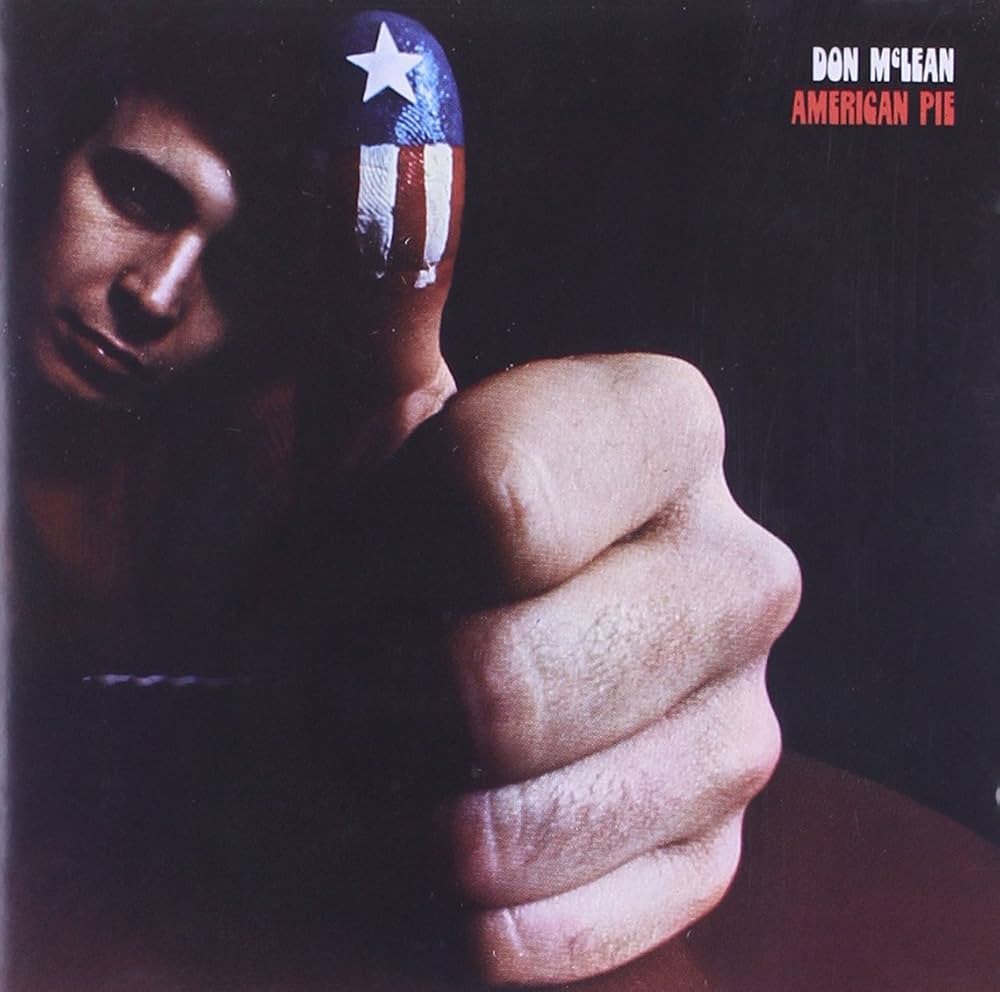
Some albums become cultural landmarks because of a single unforgettable song. Others endure because the music surrounding that hit proves just as compelling. American Pie accomplishes both. Released in 1971, Don McLean’s second studio album produced one of the most iconic songs in popular music history while also showcasing him as an exceptional songwriter capable of balancing introspective folk, country influences, rock, and deeply personal storytelling.
The title track quickly became a phenomenon. Its cryptic lyrics inspired decades of debate, analysis, and interpretation, earning a place among the most discussed songs ever written. Yet reducing the album to that one monumental recording overlooks the remarkable quality of the rest of the material. McLean demonstrates an uncommon gift for melody and narrative, writing songs that are intimate without becoming sentimental and poetic without losing their emotional core.
Arriving at a time when singer-songwriters were reshaping popular music, American Pie established McLean as one of the era’s most distinctive voices. More than fifty years later, the album remains a cornerstone of the genre and one of the defining records of the early 1970s.
Album Overview
Although the title song inevitably commands much of the attention, American Pie is a remarkably balanced album.
McLean moves comfortably between reflective folk ballads, upbeat acoustic rock, gospel influences, and country-inspired storytelling. The variety prevents the album from becoming repetitive while maintaining a cohesive emotional atmosphere built around memory, loss, hope, and personal reflection.
The arrangements are tastefully understated. Acoustic guitars, piano, strings, subtle percussion, and occasional electric instrumentation support the songs without overwhelming them. McLean’s warm tenor remains the focal point throughout, allowing his lyrics to take center stage.
The sequencing is particularly effective. More energetic songs provide welcome contrast to the album’s quieter moments, creating a natural flow that rewards listening from beginning to end.
Rather than relying on elaborate production or technical virtuosity, American Pie succeeds because every musical decision serves the songs themselves.
Songwriting
Don McLean’s songwriting is the heart of the album.
“American Pie” stands among the greatest songs ever written. Blending history, nostalgia, cultural commentary, and unforgettable melodies, it manages to be deeply personal while inviting endless interpretation. Its nearly nine-minute running time never feels excessive because every verse adds another layer to its rich tapestry.
Beyond the title track, “Vincent” is one of the most beautiful tributes ever written about an artist. Inspired by the life and paintings of Vincent van Gogh, the song is tender, compassionate, and emotionally devastating without becoming melodramatic.
“Crossroads” explores life’s uncertainties with graceful simplicity, while “Winterwood” captures a haunting sense of isolation and longing.
The playful “Everybody Loves Me, Baby” adds a welcome burst of humor and energy, demonstrating McLean’s versatility as a writer.
Throughout the album, McLean’s lyrics reveal remarkable craftsmanship. He writes with intelligence and poetic imagination while never losing sight of melody or emotional accessibility.
Performance
McLean delivers one of the finest vocal performances of the singer-songwriter era.
His voice is expressive rather than flashy, relying on sincerity, phrasing, and emotional conviction instead of vocal acrobatics. Every lyric feels lived rather than merely sung.
His acoustic guitar playing provides a steady foundation throughout the album, complementing the songs without drawing unnecessary attention to itself.
The supporting musicians perform with admirable restraint. Piano, bass, drums, strings, and backing vocals are used sparingly, enhancing the emotional atmosphere without distracting from McLean’s storytelling.
One of the album’s greatest strengths is its honesty. McLean never sounds like he is performing for effect. Whether delivering the epic narrative of “American Pie” or the quiet beauty of “Vincent,” every performance feels genuine.
Production
The production reflects the best qualities of early 1970s singer-songwriter recordings.
Producer Ed Freeman allows the songs plenty of room to breathe, resisting the temptation to clutter the arrangements with unnecessary studio effects.
The balance between vocals and instrumentation is excellent. McLean’s voice remains consistently clear while every instrument contributes naturally to the overall sound.
The recording possesses a warmth that has helped it age remarkably well. Even decades later, the album sounds intimate and inviting rather than dated.
Its understated production complements the timeless quality of the songwriting perfectly.
Standout Tracks
The album contains two undeniable masterpieces.
“American Pie” is one of the defining recordings of twentieth-century popular music. Its unforgettable chorus, ambitious structure, and enduring mystery continue to captivate listeners more than fifty years after its release.
“Vincent” is equally extraordinary in a completely different way. Quiet, compassionate, and exquisitely written, it ranks among the greatest ballads of the era.
“Crossroads” offers thoughtful introspection, while “Winterwood” showcases McLean’s gift for creating vivid emotional landscapes.
“Everybody Loves Me, Baby” provides a welcome change of pace, reminding listeners that McLean was equally capable of writing lighthearted, infectious pop songs.
The consistency across the album makes it far more than simply the home of one legendary single.
Weak Points
Despite its many strengths, American Pie is not entirely without flaws.
The immense cultural significance of the title track inevitably overshadows much of the surrounding material, making it difficult for the rest of the album to receive equal attention.
A handful of deeper cuts, while consistently well written, lack the immediate memorability of the album’s signature songs.
Additionally, listeners seeking greater stylistic variety may find the album’s reflective singer-songwriter approach somewhat uniform over repeated listens.
These are relatively minor criticisms of an otherwise exceptional record.
Legacy
American Pie established Don McLean as one of the most important singer-songwriters of his generation.
The title track became one of the defining songs of American popular music, inspiring decades of discussion and influencing generations of lyricists who sought to combine storytelling with poetic ambiguity.
The album’s influence can be heard in artists including Bruce Springsteen, Josh Ritter, The Avett Brothers, and Jason Isbell, all of whom have embraced narrative songwriting that balances personal reflection with broader cultural themes.
While “American Pie” and “Vincent” remain the album’s most celebrated achievements, the record as a whole deserves recognition as one of the finest singer-songwriter albums of the early 1970s.
Its combination of timeless songwriting, heartfelt performances, and understated production has ensured its lasting place among the classics.
Final Score
9.5/10
American Pie is a landmark achievement in the singer-songwriter tradition. Don McLean combines extraordinary storytelling, memorable melodies, and deeply sincere performances to create an album whose emotional and cultural impact remains profound. While a few songs inevitably live in the shadow of the monumental title track, the overall quality is consistently excellent. Anchored by two of the greatest songs ever written, American Pie stands as one of the defining albums of the 1970s and one of the finest examples of American songwriting.
This post has already been read 65 times!