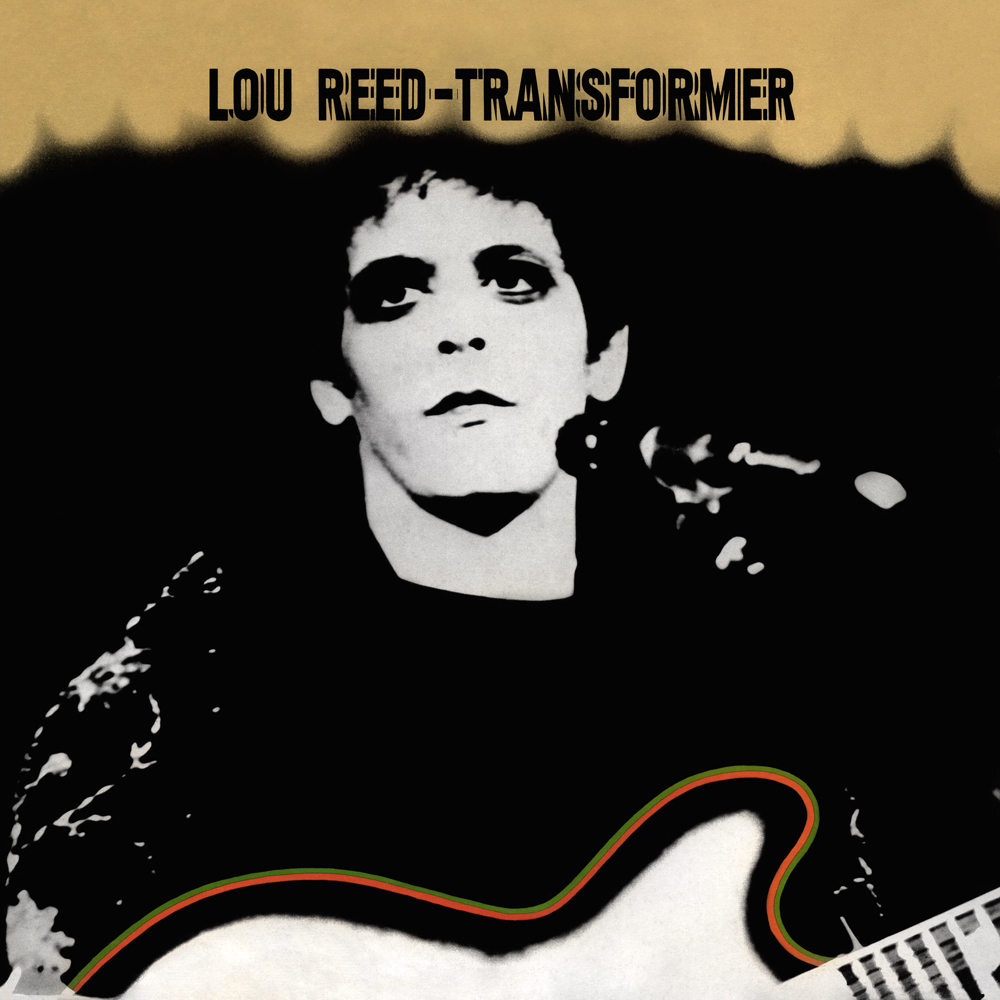
When Lou Reed left the Velvet Underground in 1970, his future as a solo artist was anything but certain. Despite the Velvet Underground’s immense artistic influence, the band had sold relatively few records during its lifetime. Reed’s self-titled solo debut in 1972 failed to make much of a commercial impact, leaving many wondering whether his songwriting brilliance could ever find a larger audience.
Later that same year, everything changed.
Produced by David Bowie and Mick Ronson, Transformer became the album that introduced Lou Reed to the mainstream without sacrificing the wit, grit, and unconventional storytelling that had always defined his work. Rather than polishing away Reed’s rough edges, Bowie and Ronson framed them perfectly, surrounding his deadpan vocals with glamorous arrangements, lush strings, sharp guitar work, and sophisticated pop production.
The result is one of the defining albums of the glam rock era and arguably the finest solo record of Reed’s career. Filled with unforgettable characters, razor-sharp observations, black humor, and timeless melodies, Transformer balances artistic ambition with surprising accessibility.
More than fifty years later, it remains one of rock music’s most distinctive and influential albums.
Album Overview
One of Transformer‘s greatest achievements is its remarkable balance.
The album feels glamorous without becoming superficial.
Literary without becoming pretentious.
Accessible without sacrificing individuality.
Reed writes about drag queens.
Drug dealers.
Dreamers.
Misfits.
Artists.
Lonely people searching for connection.
Rather than treating these characters as outsiders, he presents them with empathy, curiosity, and understated humanity.
Musically, the album blends glam rock, folk, piano ballads, art rock, rhythm and blues, and classic pop.
The arrangements remain elegant throughout.
Acoustic guitars.
Piano.
Saxophone.
Lush orchestration.
Mick Ronson’s brilliant guitar work.
Everything supports Reed’s storytelling.
Unlike many glam albums built around theatrical excess, Transformer succeeds through restraint.
The songs remain the focus.
Every production choice serves the lyrics.
That discipline gives the album remarkable longevity.
Songwriting
Lou Reed was already one of rock’s finest lyricists before Transformer, but this album represents one of his greatest creative peaks.
“Walk on the Wild Side” remains his signature composition.
Built around unforgettable bass lines and understated narration, the song celebrates New York City’s underground personalities with remarkable compassion and quiet humor.
“Perfect Day” reveals an entirely different side of Reed.
Its deceptively simple lyrics have inspired countless interpretations, balancing romance, melancholy, and ambiguity in equal measure.
“Satellite of Love” transforms loneliness into one of the most emotionally affecting songs of the decade, aided by a soaring chorus that contrasts beautifully with Reed’s understated verses.
“Vicious” opens the album with biting wit and infectious energy, demonstrating Reed’s gift for turning sarcasm into memorable rock songs.
“Make Up” and “New York Telephone Conversation” continue the album’s exploration of identity and urban life with equal parts affection and irony.
Perhaps the greatest strength of Reed’s writing is his refusal to judge.
His characters feel authentic because he observes rather than condemns.
That empathy gives the album extraordinary emotional depth.
Performance
Lou Reed’s vocal style has always divided listeners.
He lacks conventional vocal power.
He rarely attempts dramatic flourishes.
Instead, he sings exactly as the songs require.
His conversational delivery allows every lyric to remain front and center.
On “Perfect Day,” his understated performance becomes quietly heartbreaking.
“Walk on the Wild Side” succeeds largely because Reed refuses to overplay the song’s remarkable stories.
His calm narration makes the extraordinary feel ordinary.
Mick Ronson deserves enormous praise.
His guitar playing remains tasteful throughout, while his arrangements elevate every song without overshadowing Reed.
The supporting musicians consistently demonstrate remarkable restraint.
Nobody competes for attention.
Every performance serves the songwriting.
David Bowie’s backing vocals, particularly on “Satellite of Love,” provide one of the album’s emotional highlights without ever distracting from Reed himself.
Production
David Bowie and Mick Ronson deliver one of the finest production jobs of the 1970s.
They understand that Lou Reed does not need reinvention.
He needs presentation.
The arrangements remain polished but never sterile.
Strings add elegance.
Pianos provide warmth.
Saxophones contribute soulful color.
Ronson’s guitar work ties everything together.
The production consistently creates contrast between Reed’s understated vocals and richly textured instrumentation.
That tension becomes one of the album’s defining characteristics.
Even today, Transformer sounds remarkably modern.
Its sophisticated arrangements have aged far better than many contemporary glam productions.
Every sonic choice feels intentional.
Nothing sounds excessive.
Standout Tracks
Although Transformer contains remarkable consistency throughout, several songs rank among the finest of Lou Reed’s career.
“Walk on the Wild Side” is one of rock music’s greatest songs. Its unforgettable bass line, vivid storytelling, and compassionate portraits of New York’s underground culture remain completely timeless.
“Perfect Day” stands as one of the most beautiful ballads of the 1970s, balancing emotional warmth with lingering ambiguity through extraordinary songwriting.
“Satellite of Love” combines melancholy, humor, and soaring melodies into one of Reed’s most emotionally affecting performances.
“Vicious” opens the album with infectious energy and razor-sharp wit, immediately establishing the record’s unique personality.
“I’m So Free” delivers one of the album’s most joyful moments, pairing upbeat rock and roll with Reed’s characteristic lyrical intelligence.
Weak Points
While Transformer is remarkably consistent, a handful of deeper cuts occasionally live in the shadow of the album’s legendary highlights.
Some listeners may also find Reed’s understated vocal style emotionally detached, particularly when compared with more expressive rock singers of the era.
Additionally, because the album relies heavily on atmosphere and lyrical nuance, its brilliance may not reveal itself immediately to first-time listeners expecting conventional glam rock.
These are relatively minor observations.
Repeated listening consistently rewards patience.
Legacy
Transformer permanently established Lou Reed as a major solo artist and introduced his singular songwriting to a much broader audience.
It also became one of glam rock’s defining albums while simultaneously transcending the genre.
Its influence extends across alternative rock, punk, indie, singer-songwriter music, and art rock.
Artists ranging from David Bowie and R.E.M. to The Smiths, Pulp, Blur, Arctic Monkeys, and countless others have drawn inspiration from Reed’s conversational songwriting and fearless exploration of unconventional subjects.
Perhaps even more importantly, Transformer helped normalize stories about people who had rarely appeared in mainstream popular music with dignity and humanity.
Reed’s characters remain unforgettable because he treated them as fully realized people rather than curiosities.
That compassion continues giving the album remarkable emotional power.
Final Score: 10/10
Transformer is a masterpiece of songwriting, production, and understated performance. Lou Reed combines unforgettable melodies, literary lyricism, unforgettable characters, and quiet emotional depth into an album that remains unlike anything else in rock music.
David Bowie and Mick Ronson provide the perfect musical framework, enhancing Reed’s distinctive voice without softening his individuality. Every arrangement serves the songs, every performance feels purposeful, and every revisit uncovers new lyrical details and emotional nuances.
Few albums have balanced artistic integrity and commercial accessibility so effortlessly. Transformer remains not only Lou Reed’s definitive solo statement but one of the greatest rock albums of the 1970s—a timeless work whose influence continues to echo through generations of musicians.
This post has already been read 67 times!