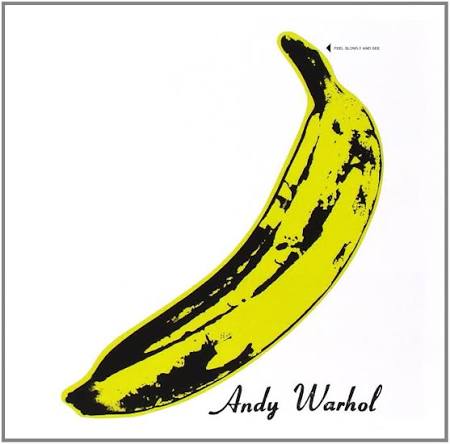
Released in March 1967, The Velvet Underground & Nico stands as one of the most stark, uncompromising, and profoundly influential records in the history of popular music. While their West Coast contemporaries were busy romanticizing the peace-and-love optimism of the era, Lou Reed and his bandmates were documenting the dark, subterranean reality of New York City’s mid-sixties bohemian underground. Under the guiding influence of artist Andy Warhol, the group created a sonic landscape that was fundamentally detached from the mainstream pop of the day, utilizing drones, unconventional tunings, and brutal, unapologetic lyrical honesty to map a world of addiction, alienation, and urban decay.
The record’s production is a testament to the power of raw, unvarnished artistic vision. Eschewing the complex, multi-layered studio orchestration that defined their era, the band focused on creating a dense, hypnotic, and often intentionally abrasive soundscape that demanded the listener’s full, uncomfortable engagement. The inclusion of German chanteuse Nico, whose detached, haunting vocal performances provided a stark, eerie counterpoint to Reed’s gritty, street-level narratives, further cemented the album’s status as a masterpiece of calculated, avant-garde art-rock. It remains a foundational document of the counterculture, proving that popular music could harbor the same psychological depth, narrative complexity, and unvarnished truth as the most daring literature or visual art.
The Masterclass of Lyrical Taboo
At the center of the album’s enduring power is Lou Reed’s unparalleled ability to craft lyrical vignettes that dealt unflinchingly with subject matter—such as intravenous drug use, sadomasochism, and intense emotional alienation—that was strictly forbidden by the radio-friendly conventions of the time. Reed did not approach these topics with moralizing judgment or sensationalist intent; instead, he framed them with a cold, observational, and deeply humanistic eye, treating his characters with a stark, brutal, and often heartbreaking dignity.
The undisputed emotional centerpiece of this approach is the harrowing “Heroin,” a multi-part composition that tracks the psychological arc of an addiction with terrifying, clinical precision. Built around a relentless, speeding guitar drone and an increasing, chaotic percussive drive, the song masterfully mimics the physical experience of the drug, forcing the listener into a claustrophobic state of empathy with the narrator’s desperate, cyclical search for oblivion. It is a stunning, deeply transgressive piece of songwriting that refuses to resolve, leaving the listener in a state of suspended, haunting vulnerability.
This commitment to brutal truth-telling is matched by the band’s ability to seamlessly weave in moments of fragile, delicate beauty, such as the iconic “Sunday Morning,” which opens the record with a shimmering, celeste-tinged melody that feels like a quiet, lonely wake-up call after a night of intense urban chaos. While the song’s melody is deceptively sweet, Reed’s vocal delivery is filled with a distinct, weary paranoia that highlights the album’s pervasive sense of unease. It remains a perfect, essential anchor for the record, showcasing the band’s ability to balance their dark, transgressive narrative themes with a deep, pop-informed sense of melodic grace.
The Fusion of Drone and Avant-Garde Structure
While the album is celebrated for its lyrical intensity, its sonic architecture—built upon a foundational, hypnotic use of musical drones—was equally radical for the mid-1960s pop-music landscape. The band, particularly through the experimental electric viola playing of John Cale, utilized the drone not as a background element, but as a primary, driving force, creating a dense, polyphonic texture that pushed the rock format toward the boundaries of minimalist and avant-garde composition.
This dedication to the drone reaches its most explosive peak on “Venus in Furs,” a dark, claustrophobic masterpiece built around an ominous, descending guitar riff and a sustained, screeching electric viola performance from Cale that sounds like a stringed instrument being tortured. Reed’s vocal performance is cold, dominant, and almost ritualistic, perfectly capturing the song’s themes of power dynamics, obsession, and the search for release. It is a brilliant, unsettling track that positions the band outside the traditional rock-and-roll hierarchy, emphasizing their connection to a more European, avant-garde lineage of performance art. The song functions as a perfect, unsettling centerpiece, grounding the album’s deeper existential weight in a world of darkly seductive, ritualistic power.
This penchant for subverting established tropes is equally evident on “European Son,” an explosive, nearly eight-minute improvisational work that concludes the record with a barrage of feedback, dissonant guitar runs, and chaotic, free-form drumming. It is a brilliant, unapologetic display of sonic deconstruction, showcasing the band’s willingness to abandon all traditional rock-and-roll structures in favor of a raw, unmediated expression of pure energy and creative fury. The song remains a definitive example of how the band utilized the recording studio not to capture a conventional performance, but to manifest a visceral, confrontational work of sonic art that left the listener feeling entirely unmoored.
The Legacy of the Underground Standard
The historical fallout of The Velvet Underground & Nico permanently altered the trajectory of the late-1960s music industry, establishing a direct line of creative heredity that would fuel the entire rise of punk rock, gothic rock, and indie-alternative culture. By prioritizing the raw, unvarnished truth of the streets over the comfortable, sanitized illusions of the mainstream, the record provided the essential blueprint for the outsider artist—the performer who prioritized creative integrity over commercial accessibility.
The album’s influence on the broader industry cannot be overstated; it successfully legitimized the use of radical, improvisational, and deeply dark themes within the commercial pop-music landscape. By proving that a band could be simultaneously experimental, literary, and deeply influential without achieving immediate, mainstream chart success, The Velvet Underground shattered the established rules for what a rock band could conceptually achieve. They opened a door to a new, permanent space where music could act as a vehicle for extreme, unfiltered human emotion—a space that remains the primary creative domain for any musician who wishes to explore the darker, more unsettling corridors of the human experience.
Conclusion: A Masterpiece of Sovereign Alienation
The Velvet Underground & Nico remains an extraordinary, vital masterpiece because its stark, honest, and deeply unnerving vision has lost absolutely none of its power. It is an album born from an intense, uncompromising need to confront the realities of life on the margins, standing as a timeless monument to the necessity of artistic bravery, intellectual independence, and pure, concentrated sonic truth.
It demands to be experienced in its original, punchy monaural mix—the exact way the band balanced the instruments to ensure the hypnotic drones and the raw, unvarnished vocals functioned as a singular, crushing wall of psychological energy. In a historical landscape that often prioritizes the soft, colorful, and highly polished psych-rock experiments of the mid-1960s, this record stands as a fierce, necessary reminder of rock-and-roll’s capacity for dark, high-concept, and truly unsettling artistic disruption. It is a flawless, genre-defining classic that remains the ultimate Rosetta Stone for any musician who dares to look into the darkness and capture what they see.
Final Score: 10 / 10
This post has already been read 63 times!