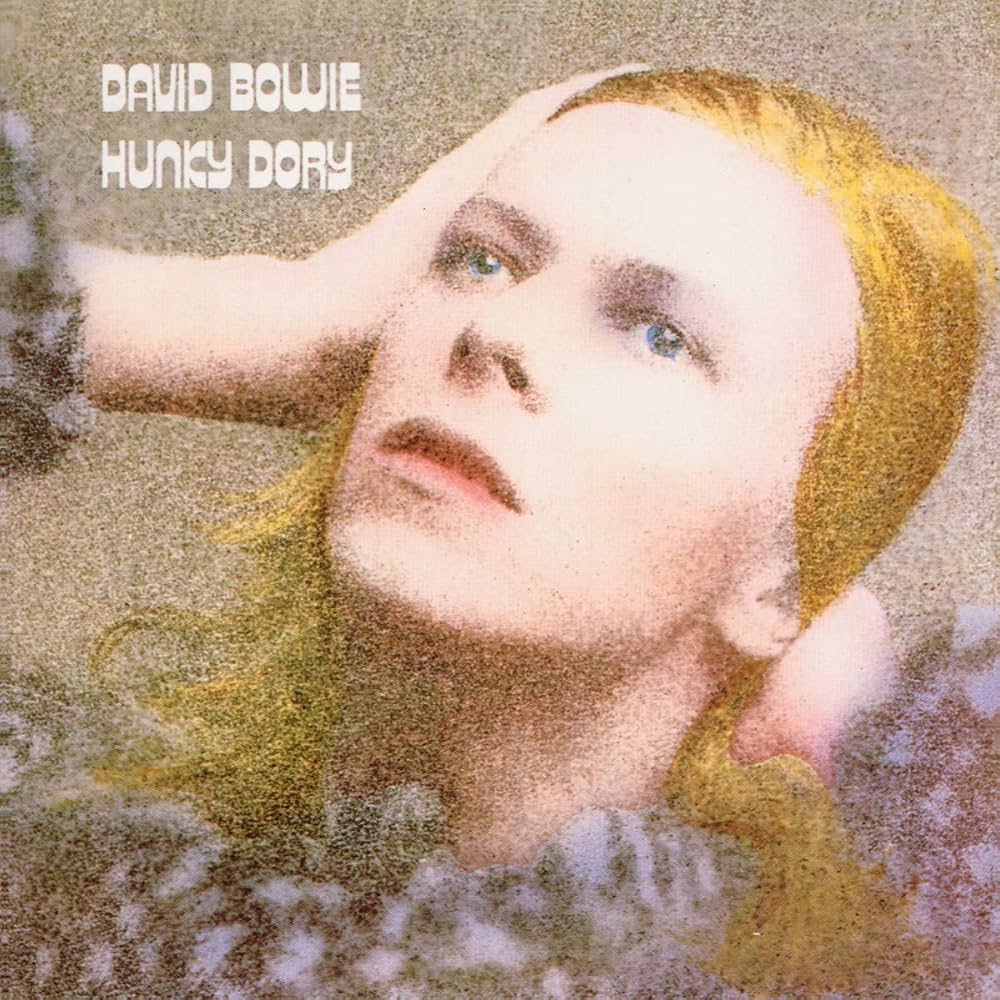
David Bowie’s Hunky Dory, which arrived in December 1971, stands as a pivotal masterwork that crystallized his artistic transformation into a shapeshifting, postmodern icon. Recorded during a period of prolific songwriting and stylistic experimentation, the album is a kaleidoscope of art-pop sophistication, music-hall whimsy, and introspective rock. It is a record characterized by its remarkably lush, piano-anchored arrangements and intricate, layered production, which masterfully balanced intimate vulnerability with grand, theatrical artifice, creating a deeply immersive and cohesive soundscape that remains one of the most intellectually ambitious records of its generation.
The Architecture of Art-Pop Sophistication
At the heart of the album’s brilliance is Bowie’s unique capacity to craft compositions that feel both deeply private and theatrically universal. By utilizing the recording studio as a laboratory for avant-garde pop, he layered complex, multi-movement melodies with sophisticated, folk-rock-informed arrangements that highlighted his burgeoning interest in identity, celebrity, and the avant-garde. This deliberate, artful production allowed the lyrical themes of alienation, artistic inspiration, and pop-cultural myth-making to take center stage, effectively establishing a new, permanent template for the ambitious, character-driven rock album.
-
Changes: The track serves as a quintessential monument of Bowie’s piano-based, observational songwriting, featuring a dynamic, brass-inflected arrangement that perfectly captures the song’s themes of personal reinvention and youthful transition.
-
Life on Mars?: Featuring a sweeping, orchestral-pop foundation and Bowie’s signature, dramatic vocal delivery, this song functions as a perfect example of his ability to blend personal, surreal imagery with a profound, accessible sense of universal, cosmic scale.
The Fusion of Folk Tradition and Theatrical Scope
While the record is defined by its vibrant, kaleidoscopic appeal, its brilliance is equally evident in its foundational engagement with a sophisticated, melodic pop sensibility that embraced an honest, theatrical aesthetic. Bowie worked to ensure that the instrumental arrangements felt as precise, articulate, and harmonically rich as his lead vocal performances, creating a unified, high-fidelity soundscape that embraced the expansive possibilities of the studio without ever losing the raw, vulnerable intensity of his signature performance style.
-
Oh! You Pretty Things: This track offers a brilliant, kinetic example of the album’s structural sophistication, using a driving, piano-led rhythm and evocative, storytelling-focused lyricism to capture a moment of sharp, futuristic cultural insight.
-
Queen Bitch: A rhythmically complex, energetic masterpiece, this song highlights Bowie’s improvisational prowess, serving as a definitive showcase for his unique, technical, and immensely evocative instrumental interplay that moves fluidly between folk and rock-influenced structures.
The Legacy of the Art-Rock Standard
The historical impact of Hunky Dory permanently altered the structural DNA of the entire art-rock, glam, and pop industry. By proving that a recording could be a densely constructed, meticulously layered, and deeply nuanced theatrical statement—while never losing the raw, visceral intensity of its folk roots—Bowie provided a definitive roadmap for generations of artists who prioritized technical tonal innovation, vocal precision, and studio-based sound design.
-
Cultural Impact: The album successfully legitimized the use of radical, improvisational, and deeply introspective themes within the commercial pop-music landscape.
-
Artistic Influence: By proving that an artist could be simultaneously experimental, rhythmically complex, and deeply influential, David Bowie shattered the established rules for what a solo performer could conceptually achieve.
Conclusion: A Kaleidoscope of Artistic Rebirth
Ultimately, Hunky Dory succeeds because it captures a visionary artist shedding his previous incarnations to arrive at the sound that would define his future. It is an album that manages to be both a playful nod to musical history and a bold, forward-looking leap into the unknown, creating a sonic texture that remains as surprising today as it was upon its release. By balancing deeply personal confessionals with high-concept theatricality, Bowie crafted a timeless work that stands as a definitive testament to his singular creative genius.
Final Score: 10 / 10
This post has already been read 82 times!