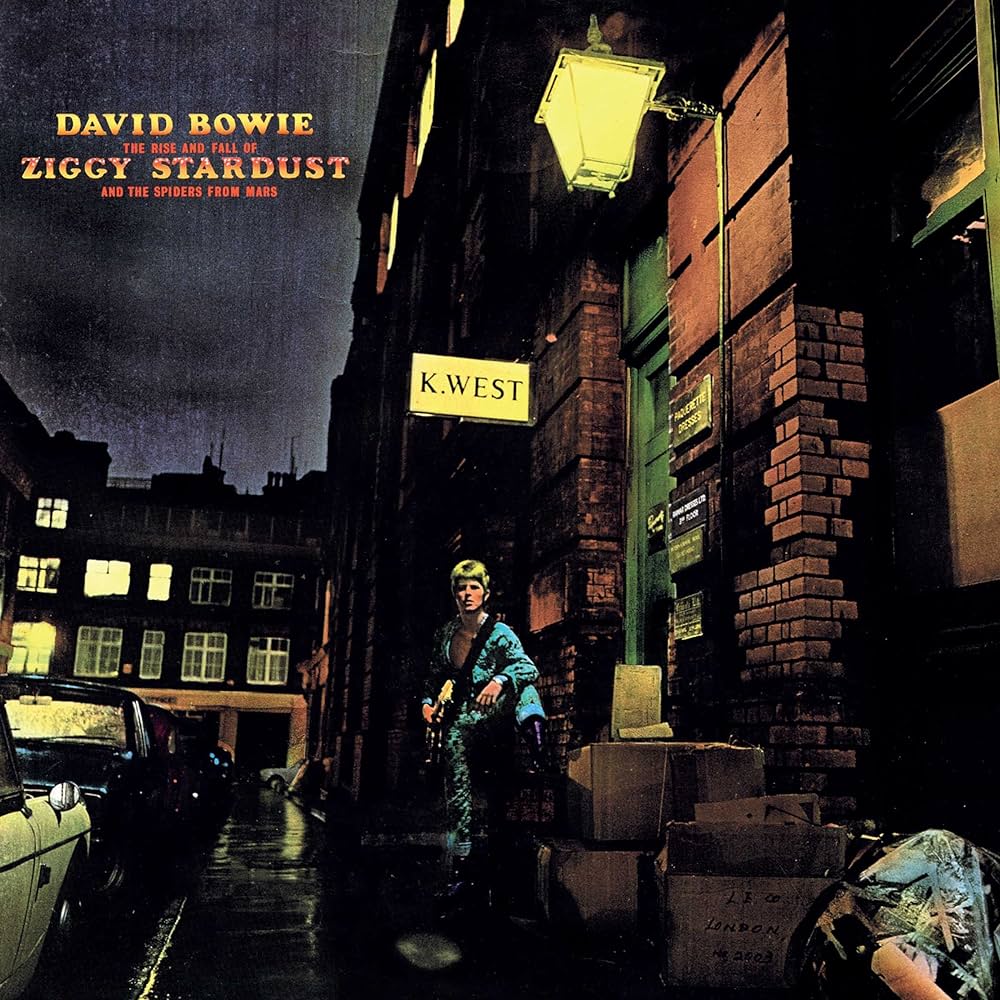
David Bowie’s The Rise and Fall of Ziggy Stardust and the Spiders from Mars, released in June 1972, stands as a defining masterwork of the glam-rock era, capturing the artist at the peak of his conceptual, theatrical, and musical ingenuity. Recorded as a cohesive, character-driven narrative centered on an extraterrestrial rock star, the album is a masterclass in ambitious, high-concept songwriting and theatrically charged production. It is a record characterized by its punchy, guitar-driven sound, which masterfully balanced the band’s signature, snarling hard-rock swagger with sophisticated, pop-infused melodies, creating a raw, immersive soundscape that remains one of the most essential and enduringly influential works in the history of rock music.
The Architecture of Theatrical Glamour
At the heart of the album’s brilliance is Bowie’s unique capacity to craft compositions that feel both deeply personal and theatrically universal. By utilizing the recording studio as a crucible for his high-energy, performance-focused aesthetic, he layered crunching, riff-heavy structures with intricate, production-heavy arrangements that highlighted the stark contrast between delicate, acoustic-inflected moments and crushing, rock-edged instrumentals. This deliberate, complex production allowed the lyrical themes of fame, alienation, and apocalyptic optimism to take center stage, effectively establishing a new, permanent template for the ambitious, character-driven, and theatrically oriented concept album.
-
Ziggy Stardust: The title track serves as a quintessential monument of Bowie’s guitar-based, hard-rock precision, featuring an iconic, instantly recognizable riff and a defiant, storytelling-focused vocal performance that perfectly captures the song’s themes of rock-star excess and tragic collapse.
-
Starman: Featuring a bright, melodic, and rhythmically engaging foundation and Bowie’s signature, dramatic vocal delivery, this song functions as a perfect example of his ability to blend personal, introspective yearning with a profound, accessible sense of universal, cosmic scale.
The Fusion of Hard-Rock Grit and Pop Scope
While the record is defined by its loud, abrasive appeal, its brilliance is equally evident in its foundational engagement with a sophisticated, melodic rock sensibility that embraced a self-aware, theatrical aesthetic. The band worked to ensure that the instrumental arrangements felt as precise, articulate, and harmonically rich as their vocal performances, creating a unified, high-fidelity soundscape that embraced the expansive possibilities of the studio without ever losing the raw, vulnerable intensity of their signature performance style.
-
Moonage Daydream: This track offers a brilliant, kinetic example of the album’s structural sophistication, using a driving, hard-rock rhythm and evocative, storytelling-focused lyricism to capture a moment of sharp, futuristic cultural insight.
-
Suffragette City: A rhythmically complex, energetic masterpiece, this song highlights the band’s improvisational prowess, serving as a definitive showcase for their unique, technical, and immensely evocative instrumental interplay that moves fluidly between hard-rock and pop-influenced structures.
The Legacy of the Glam-Rock Standard
The historical impact of The Rise and Fall of Ziggy Stardust and the Spiders from Mars permanently altered the structural DNA of the entire hard-rock, glam, and pop industry. By proving that a recording could be a densely constructed, meticulously layered, and deeply nuanced conceptual statement—while never losing the raw, visceral intensity of its rock roots—Bowie provided a definitive roadmap for generations of artists who prioritized technical tonal innovation, vocal precision, and studio-based sound design.
-
Cultural Impact: The album successfully legitimized the use of radical, improvisational, and deeply introspective themes within the commercial pop-music landscape.
-
Artistic Influence: By proving that a rock artist could be simultaneously experimental, rhythmically complex, and deeply influential, David Bowie shattered the established rules for what a solo performer could conceptually achieve.
Conclusion: A Masterpiece of Mythic Ambition
Ultimately, The Rise and Fall of Ziggy Stardust and the Spiders from Mars endures because it balances its aggressive, hard-rock intensity with a highly polished, pop-sensible core that makes the conceptual narrative feel both larger-than-life and deeply relatable. It is an album that succeeds by making its biggest, most provocative statements through a lens of total performance-art commitment, proving that Bowie’s most powerful tool was his willingness to become the ultimate musical chameleon. By blending gritty, guitar-fueled compositions with a cohesive, conceptual narrative, he crafted a work that stands as a definitive testament to his singular, enduring creative impact.
Final Score: 10 / 10
This post has already been read 119 times!