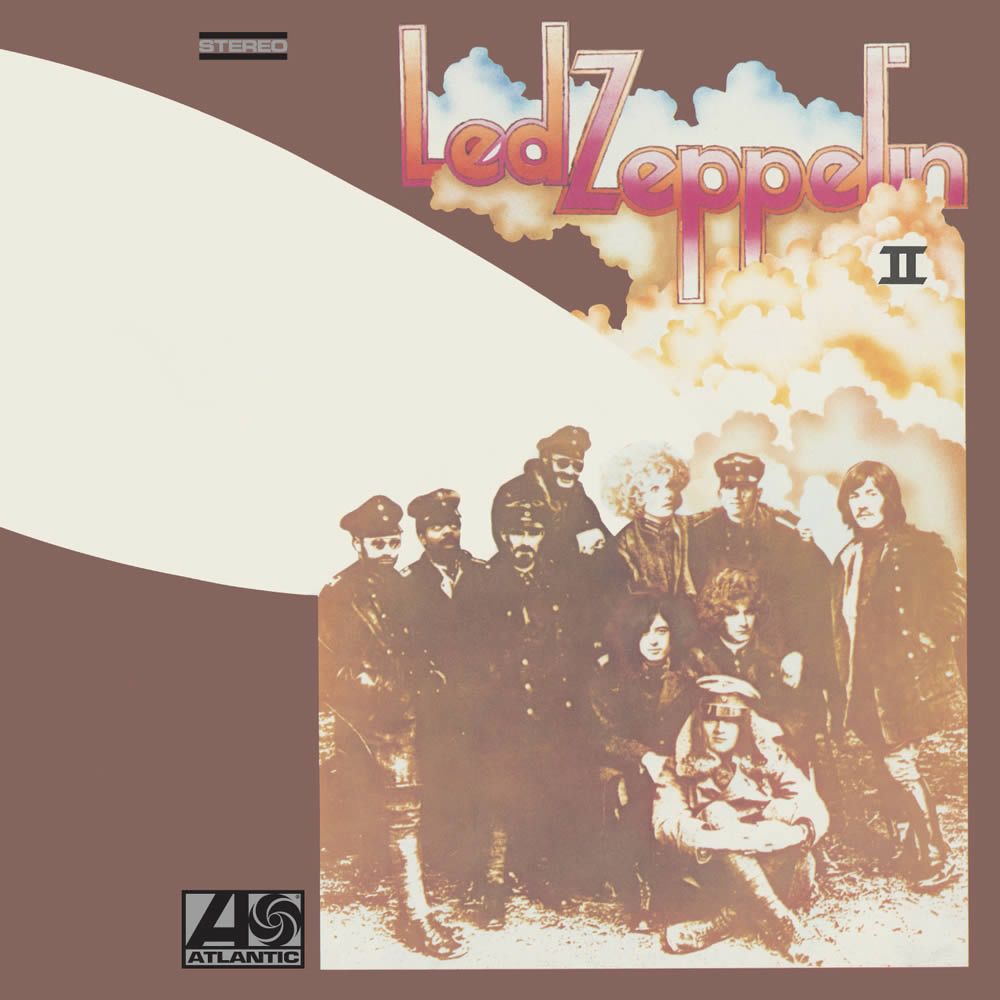
Released in October 1969, Led Zeppelin II stands as a monumental, thunderous achievement that solidified the band’s role in defining the sound of heavy rock. Recorded during a grueling tour of the United States, the album captures the group at their most muscular and creatively explosive peak. It is a record characterized by its overwhelming volume, raw blues-drenched grit, and a sophisticated, adventurous approach to studio experimentation that transformed the standard power-trio format into something far more visceral and arena-filling. By abandoning the more structured, folk-influenced moments of their debut, Led Zeppelin utilized the recording studio as an autonomous tool to construct a massive, multi-layered, and kinetic soundscape that felt both deeply grounded in their blues roots and entirely unmoored in its intensity.
The Architecture of Heavy Rock
At the heart of the album’s brilliance is the unparalleled collaborative chemistry between Jimmy Page, Robert Plant, John Paul Jones, and John Bonham, with each member pushing their instrument into uncharted, high-volume territory. Page’s guitar work on Led Zeppelin II is a revelation of tonal color and rhythmic aggression, utilizing heavily saturated, overdriven amplification to create a thick, wall-of-sound effect that allowed his riffs to act as primary, commanding forces. Paired with John Paul Jones’s melodic, heavily driven basslines and John Bonham’s seismic, polyrhythmic drumming, the result is a massive, unified force that feels remarkably compact, urgent, and fiercely kinetic.
-
Whole Lotta Love: This iconic opener serves as the quintessential monument of heavy-rock history, anchored by one of the most recognizable and structurally sound guitar riffs of the twentieth century. The track functions as a perfect example of the band’s collective chemistry, utilizing an extended, psychedelic instrumental breakdown that pushes the boundaries of conventional pop-song structure into an improvisational, arena-filling frenzy.
-
Ramble On: This track demonstrates the band’s ability to seamlessly bridge the gap between delicate, folk-influenced introspection and their signature, explosive power. Featuring a fluid, rhythmically forward-thinking bassline from Jones and Plant’s nuanced, storytelling-focused vocal delivery, the song showcases the band’s ability to maintain their hallmark dynamic range while navigating complex, difficult, and highly evocative subject matter.
The Fusion of Blues Grit and Arena Scope
While Led Zeppelin II is defined by its massive, arena-filling ambition, the record’s brilliance is equally evident in its foundational engagement with the tight, punchy, and rhythmically authoritative sound of their blues-rock roots. Page worked to ensure that the instrumental arrangements felt as articulate, funky, and rhythmically precise as the vocal performances, creating a unified, high-fidelity soundscape that embraced the expansive, orchestral possibilities of the studio without ever losing the raw, visceral intensity of their live-wire performances.
-
The Lemon Song: This track offers a brilliant, kinetic example of the band’s structural sophistication and improvisational daring. Built around a hard-hitting, bluesy groove and a relentless, thumping rhythm section, the track utilizes sharp, punchy instrumental fills that keep the listener constantly engaged throughout its expansive, high-energy duration.
-
Moby Dick: A sprawling, rhythmically complex masterpiece, this instrumental highlights the band’s improvisational prowess, serving as a definitive showcase for John Bonham’s unique, technical, and immensely powerful drumming style.
The Legacy of the Arena-Rock Standard
The historical fallout of Led Zeppelin II permanently altered the structural DNA of the entire hard-rock, heavy-metal, and pop industry. By proving that a recording could be a densely constructed, meticulously layered, and deeply nuanced arena-rock statement—while never losing the raw, visceral intensity of their blues roots—Led Zeppelin provided a definitive roadmap for generations of artists who prioritized technical tonal innovation, atmospheric precision, and studio-based sound design.
-
Cultural Impact: The album successfully legitimized the use of radical, improvisational, and deeply heavy themes within the commercial pop-music landscape.
-
Artistic Influence: By proving that a group could be simultaneously experimental, rhythmically complex, and deeply influential, Led Zeppelin shattered the established rules for what a rock band could conceptually achieve.
Conclusion: A Masterpiece of Sovereign Power
Led Zeppelin II remains an extraordinary, vital masterpiece because it captures Led Zeppelin at the exact moment they mastered the art of studio-based storytelling and arena-filling dominance. It is an album that feels perfectly composed, elegantly contained, and remarkably forward-thinking, standing as a timeless monument to the power of harmonic innovation, tonal discipline, and deeply observant, panoramic lyricism. It is a flawless, genre-defining classic that remains as intricate, haunting, and beautiful today as it was the moment the final chord faded into the ether.
Final Score: 10 / 10
This post has already been read 61 times!