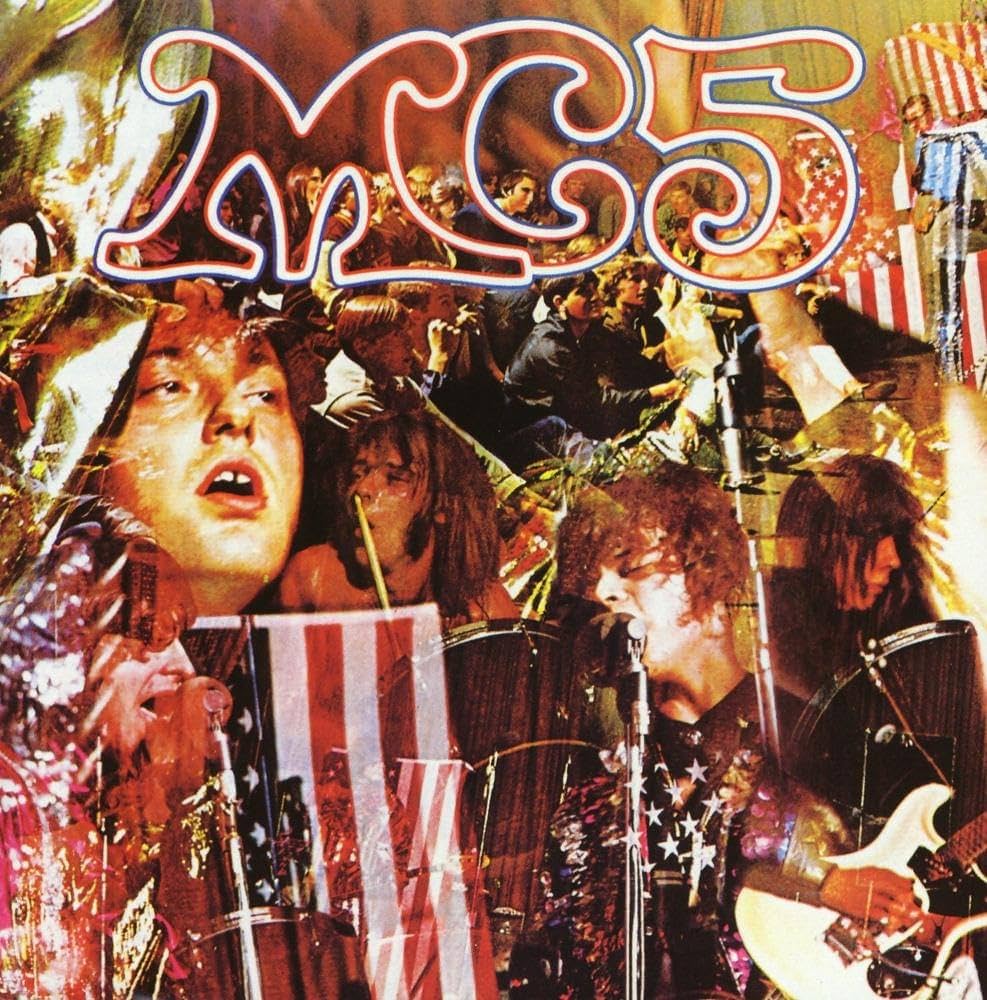
The 1969 release of MC5’s Kick Out the Jams stands as one of the most volatile, electrifying, and uncompromising live documents in the history of rock and roll. Recorded over two nights at the Grande Ballroom in Detroit, the album serves as a definitive sonic manifesto for the band’s revolutionary politics, garage-rock ferocity, and raw, high-voltage stage presence. By capturing the unadulterated energy of their live performance, the band bypassed the polished studio constraints of the era, delivering a searing, confrontational experience that functioned as an absolute, genre-defining blueprint for the burgeoning punk rock movement.
The Engineering of Live Sonic Violence
At the core of the album’s massive, enduring impact is the band’s decision to capture their performance in a live setting, effectively prioritizing the unpredictable, high-stakes energy of their Grande Ballroom shows over the safety of a controlled studio environment. Under the guidance of producer Bruce Botnick, the recording captures the band at the absolute apex of their collective power, with the interplay between the two lead guitarists, Wayne Kramer and Fred “Sonic” Smith, providing a dense, rhythmically complex, and heavily distorted foundation that sounds significantly more aggressive than any of their contemporaries.
This commitment to live sonic violence is flawlessly displayed on the iconic title track, “Kick Out the Jams,” which opens the record with an aggressive, profane exhortation that instantly establishes the band’s confrontational, countercultural identity. The track features a relentless, high-speed guitar riff that cuts through the mix with a biting, overdriven attack, perfectly mirroring the urgent, revolutionary intensity of Rob Tyner’s vocal performance. It remains one of the most vital, aggressive, and perfectly crafted rock anthems of the decade, capturing the desperate, restless energy of a band actively challenging the corporate and social structures of 1969.
The Fusion of Political Radicalism and Rock-and-Roll
While the album is defined by its raw, explosive rock energy, it also demonstrates a sophisticated, deeply intentional engagement with the revolutionary political climate of the late-1960s. The band members were active participants in the White Panther Party, and this ideological commitment infused every aspect of their performance, transforming the rock-and-roll concert from an act of entertainment into a call for collective, political action.
This fusion of radical politics and high-octane rock is flawlessly displayed on the raw, blues-inflected track “Motor City Is Burning,” a searing, deeply personal examination of the social unrest and systemic racial tension that permeated Detroit in the late-sixties. The band’s performance is marked by an immense sense of atmospheric weight, utilizing a slow, heavy rhythm and a haunting, emotive vocal delivery that emphasizes the profound, existential stakes of their political message. It is a composition of rare, confrontational power—a masterpiece of live-performance intensity that highlights the band’s ability to find immense, overwhelming emotional power within the most minimalist, refined instrumental framework.
The Legacy of the Punk-Rock Blueprint
The historical fallout of Kick Out the Jams permanently altered the structural DNA of the entire punk, hard-rock, and garage-revival industry. By proving that a recording could be a densely constructed, meticulously layered, and deeply nuanced atmospheric statement—while never losing the raw, visceral intensity of its live, improvisational roots—MC5 provided a definitive roadmap for generations of artists who prioritized technical tonal innovation, vocal precision, and a confrontational, high-energy stage performance.
The album’s influence on the late-1960s and 1970s rock boom cannot be overstated; it provided the commercial legitimacy required for major labels to gamble on the complex, artist-driven statements of performers who embraced a radical, countercultural identity. The record established a permanent creative template for the punk era, directly shaping the sonic identities of artists ranging from The Stooges to The Clash. MC5 proved that the rock band could function not just as an instrument of melody or rhythm, but as the primary source of revolutionary color and confrontational energy—a discovery that remains the definitive operating principle for any musician who wishes to explore the infinite expressive possibilities of the live, electric performance.
Conclusion: A Masterpiece of Sovereign Energy
Kick Out the Jams remains an extraordinary, vital masterpiece because it captures MC5 at the exact moment they mastered the art of live-based, confrontational storytelling and stage-based dominance. It is an album that feels perfectly composed, elegantly contained, and remarkably forward-thinking, standing as a timeless monument to the power of harmonic innovation, tonal discipline, and deeply observant, panoramic lyricism.
It demands to be experienced as a definitive, high-fidelity historical document—the exact way the engineers balanced the instruments to ensure the band’s intricate, layered arrangements functioned as a singular, unified, and shimmering force. In a historical landscape that often prioritizes the louder, more aggressive, and more visceral rock experiments of the late-1960s, this record stands as a fierce, necessary reminder of the power of nuance, color, and the immense, expansive potential of the rock record when pushed into the hands of a true, undisputed visionary. It is a flawless, genre-defining classic that remains as intricate, haunting, and beautiful today as it was the moment the final chord faded into the ether.
Final Score: 9 / 10
This post has already been read 57 times!