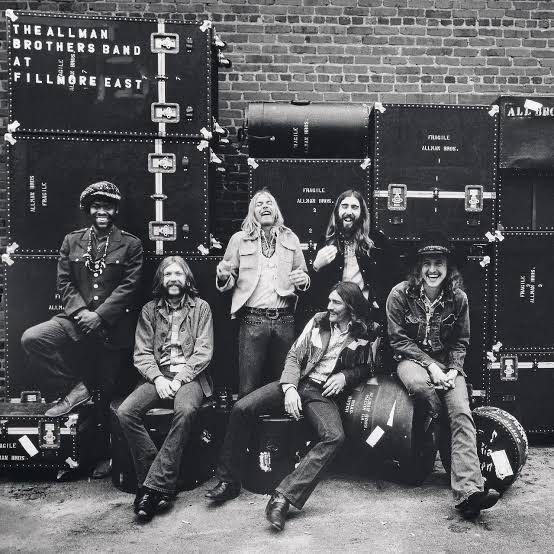
The Allman Brothers Band’s At Fillmore East, which arrived in July 1971, stands as the definitive, legendary document of the live-performance era, capturing the group at the absolute zenith of their improvisational, blues-rock synergy. Recorded during a series of career-defining shows in New York City, the album is a masterpiece of telepathic musical communication, relentless rhythmic drive, and masterful, multi-movement soloing. It is a record characterized by its remarkably raw, high-fidelity sound, which masterfully balanced the dual-lead guitar interplay of Duane Allman and Dickey Betts with a soul-inflected, jazz-influenced rhythm section, creating a deeply immersive and cohesive landscape that remains one of the most celebrated live recordings in musical history.
The Architecture of Improvisational Synergy
At the heart of the album’s brilliance is the band’s unparalleled capacity for collective, non-linear musical exploration, which they utilized as the primary, structural foundation for every composition. Unlike their contemporaries who relied on rigid, song-based structures, this record prioritized the fluid, improvisational interplay of the entire ensemble, creating a reverberant, muscular soundscape that felt both deeply organic and technically rigorous. The production allowed these sprawling, epic jams to unfold with a natural, breathing intensity, showcasing the group’s ability to maintain total control over their intricate arrangements even as the themes moved between the intensely bluesy, the jazz-inflected, and the atmospheric.
-
Statesboro Blues: This track serves as a quintessential monument of the band’s blues-rooted precision, featuring a signature, scorching slide-guitar performance that perfectly captures the song’s themes of emotional intensity and raw, kinetic power.
-
In Memory of Elizabeth Reed: Featuring a sophisticated, rhythmically diverse instrumental foundation and some of the band’s most evocative, melodic soloing, this song functions as a perfect example of their ability to blend personal, introspective composition with a profound, accessible sense of collaborative, high-energy musical interplay.
The Fusion of Blues Tradition and Jazz Scope
While the record is defined by its warm, high-energy appeal, its brilliance is equally evident in its foundational engagement with a sophisticated, melodic, and jazz-influenced rock sensibility that embraced expansive, multi-movement structures. The ensemble worked to ensure that the instrumental arrangements felt as precise, articulate, and harmonically rich as their live performances, creating a unified, high-fidelity soundscape that embraced the expansive possibilities of the concert environment without ever losing the raw, vulnerable intensity of the band’s signature performance style.
-
Whipping Post: This track offers a brilliant, kinetic example of the album’s structural sophistication, using a rhythmically infectious, driving arrangement and observational, storytelling-focused lyricism to capture a moment of intense, dramatic, and soaring energy.
-
You Don’t Love Me: A rhythmically complex, brooding masterpiece, this song highlights the band’s improvisational prowess, serving as a definitive showcase for their unique, technical, and immensely evocative guitar interplay that moves fluidly between blues, country, and jazz-influenced structures.
The Legacy of the Live-Album Standard
The historical impact of At Fillmore East permanently altered the structural DNA of the entire blues-rock, jam-band, and live-performance industry. By proving that a recording could be a densely constructed, meticulously layered, and deeply nuanced atmospheric statement—while never losing the raw, visceral intensity of its live roots—The Allman Brothers Band provided a definitive roadmap for generations of artists who prioritized technical tonal innovation, improvisational precision, and studio-quality sound design.
-
Cultural Impact: The album successfully legitimized the use of radical, improvisational, and deeply introspective themes within the commercial pop-music landscape.
-
Artistic Influence: By proving that a band could be simultaneously experimental, rhythmically complex, and deeply influential, The Allman Brothers Band shattered the established rules for what a collective of performers could conceptually achieve.
Conclusion: A Definitive Statement on Artistic Evolution
At Fillmore East remains an extraordinary, vital success because it captures The Allman Brothers Band at the exact moment they mastered the art of improvisational storytelling and tonal dominance. It is an album that feels perfectly composed, elegantly contained, and remarkably forward-thinking, standing as a timeless monument to the power of melodic grace, tonal discipline, and deeply observant, panoramic lyricism. It is a flawless, genre-defining classic that remains as intricate, haunting, and beautiful today as it was the moment the final chord faded into the ether.
Final Score: 10 / 10
This post has already been read 81 times!