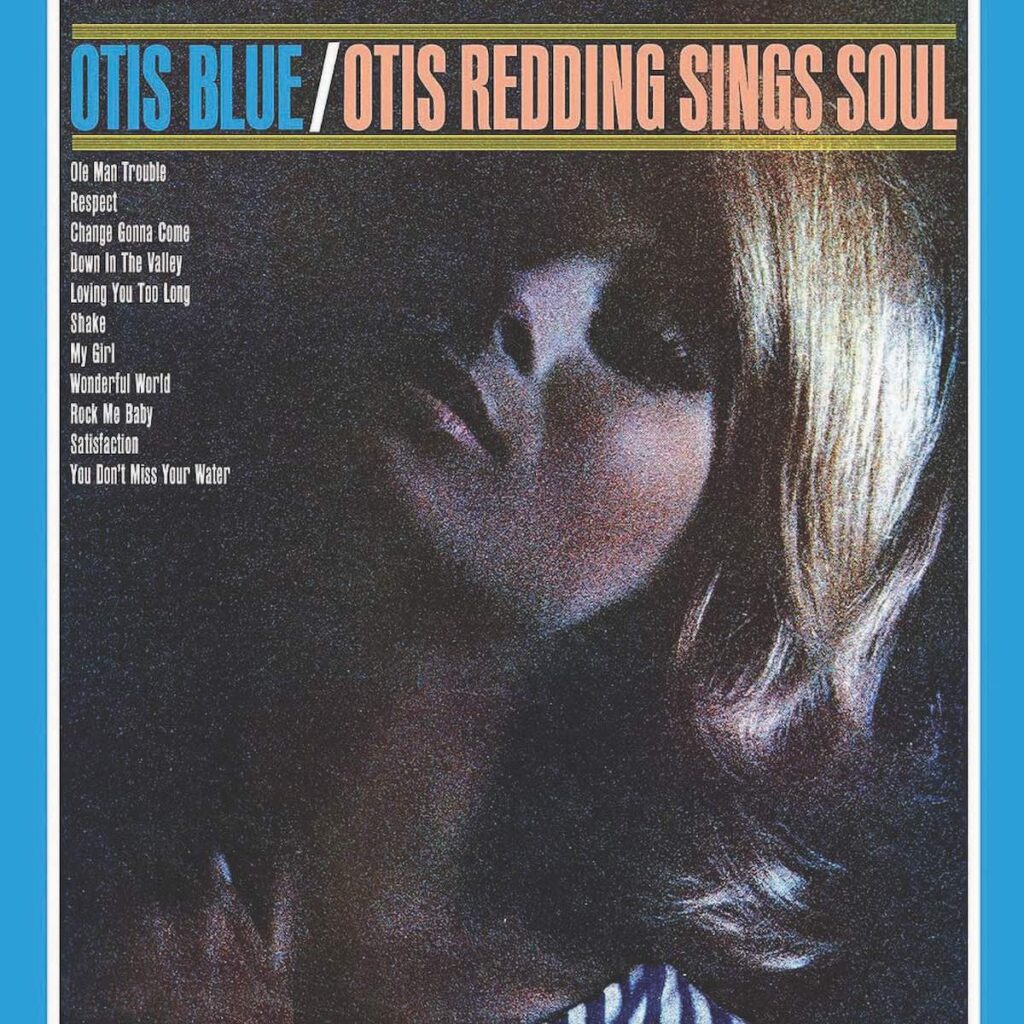
Soul music has produced countless legendary records, but only a handful feel as complete and emotionally overwhelming as Otis Blue: Otis Redding Sings Soul. It’s an album that captures an artist operating at the absolute height of his powers, blending raw passion, impeccable musicianship, and an uncanny ability to make every song—whether original or cover—sound like it belonged to him all along.
By 1965, Otis Redding was already one of the brightest stars on the Stax Records roster, but Otis Blue elevated him from an exceptional soul singer to one of the defining voices in American music. The album is packed with urgency, joy, heartbreak, tenderness, and unshakable confidence. It doesn’t simply showcase a great vocalist; it presents a complete artist capable of turning every performance into something unforgettable.
More than sixty years later, its emotional impact remains undiminished.
Album Overview
Released in 1965, Otis Blue was recorded during a remarkably productive period for Redding. Backed by the legendary Stax house band—featuring Booker T. & the M.G.’s and the Memphis Horns—he delivered an album that seamlessly balances original material with inspired reinterpretations of songs by artists including Sam Cooke, The Rolling Stones, and Solomon Burke.
Unlike many soul albums of the era, Otis Blue never feels like a collection of singles padded with filler. Every track contributes to the album’s momentum, creating a listening experience that remains gripping from beginning to end.
The sequencing is particularly strong. High-energy performances naturally give way to quieter, more reflective moments before the album builds back toward exhilarating climaxes. The pacing feels effortless, and at just over half an hour, it never overstays its welcome.
Songwriting
Although Otis Blue includes several cover songs, the quality of the songwriting throughout is extraordinary.
Otis Redding had an exceptional gift for identifying material that suited his voice, but he rarely performed covers as straightforward tributes. Instead, he reshaped them through phrasing, vocal intensity, and arrangement until they became uniquely his own.
His version of “Respect” transforms the song into a commanding declaration years before Aretha Franklin famously reinvented it from a woman’s perspective.
His tribute to the recently deceased Sam Cooke, “A Change Is Gonna Come,” is one of the album’s emotional centerpieces. Rather than attempting to outdo Cooke’s masterpiece, Redding honors it with humility and deep feeling.
The original songs are equally impressive.
“I’ve Been Loving You Too Long”, co-written by Redding, ranks among the greatest soul ballads ever written. Its slow-burning emotional intensity builds toward a breathtaking conclusion without ever losing its sense of restraint.
Songs like “Ole Man Trouble” and “Down in the Valley” further demonstrate Redding’s growing confidence as both a songwriter and interpreter.
Performance
This is one of the greatest vocal performances ever captured on record.
Otis Redding possessed a voice unlike anyone else’s. It could be warm and comforting one moment, then explode with almost unbearable emotional intensity the next. Every note feels completely sincere.
He never relied on technical perfection alone. Instead, he communicated emotion with extraordinary conviction, using subtle cracks, growls, and improvised vocal flourishes to make each performance feel spontaneous.
Backed by Booker T. & the M.G.’s, every musician understands exactly when to push forward and when to step back.
Steve Cropper’s tasteful guitar work provides rhythmic drive without overwhelming the arrangements. Booker T. Jones’ organ adds warmth and soul to nearly every track. Donald “Duck” Dunn’s bass and Al Jackson Jr.’s drumming create one of the tightest rhythm sections in popular music history.
The Memphis Horns contribute powerful accents throughout the album, adding excitement without ever becoming excessive.
Together, they create one of the finest ensemble performances in soul music.
Production
The production perfectly reflects the Stax Records philosophy.
Rather than striving for polished perfection, the recordings emphasize feel, energy, and authenticity.
Everything sounds immediate.
The rhythm section sits prominently in the mix, allowing the groove to remain constant even during the album’s quieter moments. Redding’s vocals dominate without feeling artificially separated from the band, preserving the sense that everyone is performing together in the same room.
Steve Cropper’s production avoids unnecessary ornamentation, trusting the musicians to carry the emotional weight.
That decision pays enormous dividends.
The album still sounds vibrant today because nothing feels overproduced. The slight imperfections only reinforce its humanity.
Standout Tracks
“Ole Man Trouble” opens the album with confidence, immediately establishing the powerful chemistry between Redding and the Stax band.
“Respect” is bold, energetic, and irresistibly infectious. While Aretha Franklin’s later version became the definitive cultural statement, Redding’s original interpretation remains magnificent in its own right.
“I’ve Been Loving You Too Long” is one of the greatest soul recordings ever made. Its patient build, heartbreaking vocal performance, and emotional climax are simply extraordinary.
“Shake” injects Sam Cooke’s original with explosive energy, becoming one of the album’s most exhilarating performances.
“(I Can’t Get No) Satisfaction” completely transforms The Rolling Stones’ rock anthem into a blazing soul workout that somehow feels every bit as natural as the original.
“A Change Is Gonna Come” closes the album on a deeply moving note, delivering one of the finest tribute performances ever recorded.
Weak Points
There are remarkably few.
Some listeners may prefer a slightly larger number of original compositions, as nearly half the album consists of covers. However, Redding’s reinterpretations are so distinctive that they rarely feel secondary to the originals.
The production also reflects the technical limitations of mid-1960s recording. While its warmth remains part of the album’s charm, listeners accustomed to modern audiophile recordings may notice its relatively narrow sonic presentation.
Finally, at just over thirty minutes, the album ends far too quickly.
These are minor observations rather than genuine criticisms.
Legacy
Otis Blue stands among the defining albums of soul music.
It cemented Otis Redding’s reputation as one of the greatest singers of his generation while helping establish the unmistakable Stax sound alongside Motown’s more polished productions.
Its influence extends across soul, rock, rhythm and blues, country, and even modern pop. Countless singers have studied Redding’s phrasing, emotional honesty, and ability to communicate vulnerability without sacrificing power.
The album also demonstrates the remarkable versatility of soul music itself. It comfortably embraces blues, gospel, rock, country, and rhythm and blues while maintaining a cohesive identity throughout.
Had Otis Redding lived beyond his tragically short career, there’s little doubt he would have continued producing masterpieces.
Even so, Otis Blue remains more than enough to secure his place among the greatest vocalists in music history.
Final Score
10.0/10
Otis Blue: Otis Redding Sings Soul is one of the greatest soul albums ever recorded and a towering achievement in American popular music. Every element—from Redding’s once-in-a-generation vocal performances to the flawless support of the Stax musicians, the timeless songwriting, and the beautifully understated production—works in perfect harmony. Under a stricter scoring scale, this is an unquestionable masterpiece, a record that continues to inspire and move listeners more than six decades after its release.
This post has already been read 60 times!