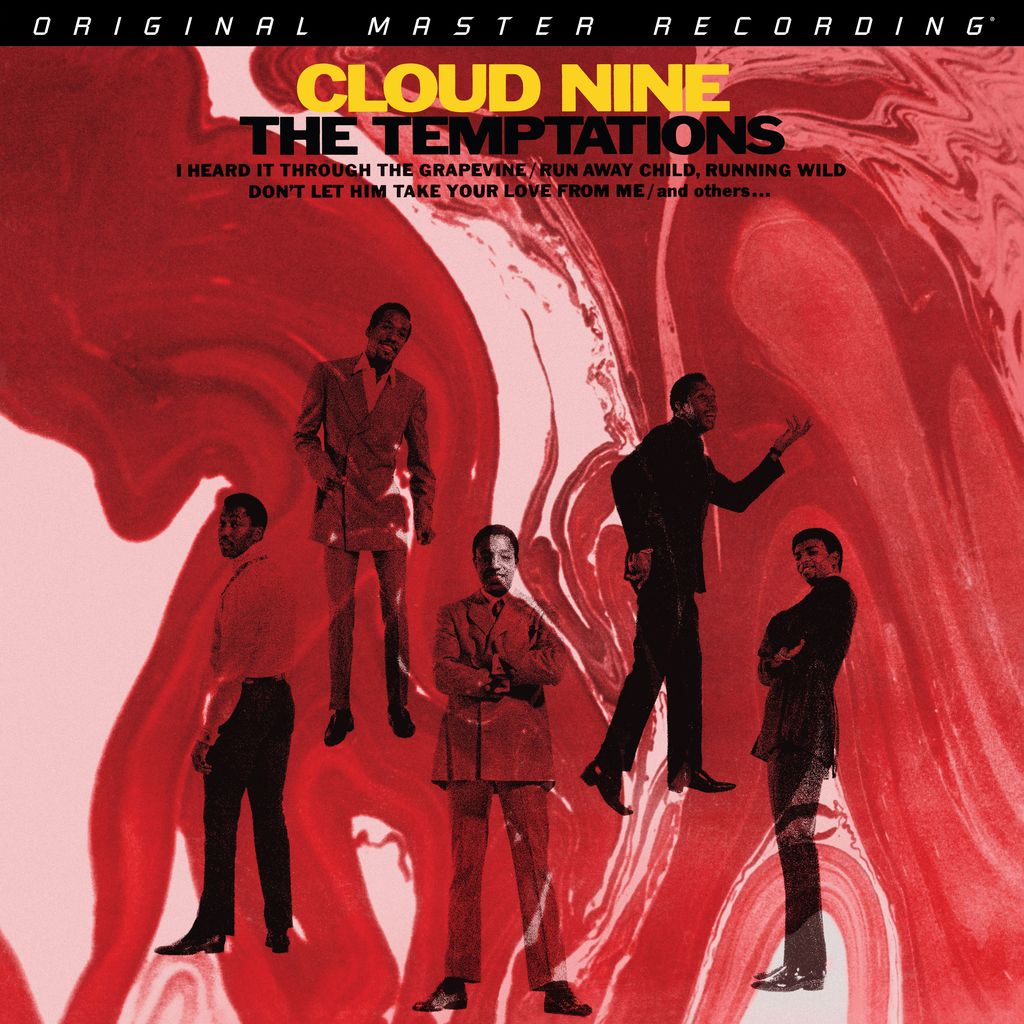
The late 1960s marked a period of rapid artistic evolution for Motown Records, and The Temptations’ 1969 release, Cloud Nine, serves as the definitive manifesto for the label’s “psychedelic soul” transition. Produced by the visionary Norman Whitfield, the album represented a radical departure from the group’s polished, traditional R&B roots, embracing instead a gritty, socially conscious, and heavily experimental soundscape. By integrating driving, funk-infused rhythms, atmospheric studio effects, and lyrics that grappled directly with the harsh realities of urban life, the group effectively dismantled the standardized pop-soul template, creating a blueprint for the expansive, politically engaged music that would dominate the next decade.
Musically, Cloud Nine is defined by Whitfield’s innovative, forward-thinking production style, which utilized dense, multi-layered instrumentation and complex, syncopated grooves to build a vibrant, atmospheric foundation for the group’s unparalleled vocal interplay. Unlike their earlier, more melodic-focused hits, this record prioritized rhythmic intensity and dynamic texture, allowing each of the five vocalists to showcase their individual range and character within a more improvisational, free-flowing arrangement. The title track, with its hypnotic, thumping drum beat and searing, truth-telling narrative, remains the quintessential example of this transition, successfully merging a high-energy, danceable groove with an unflinching examination of the desperation and disillusionment that defined the era’s urban struggle.
The Masterclass of Socially Conscious Narrative
At the heart of the album’s brilliance is the group’s willingness to abandon the romantic cliches of mainstream pop in favor of a deeper, more urgent form of storytelling. Whitfield pushed The Temptations to engage with contemporary issues, moving from songs about heartache and romance to compositions that directly confronted the social, economic, and systemic pressures of late-sixties America.
This pivot is executed with remarkable power on tracks like “Runaway Child, Running Wild,” a sweeping, nine-minute epic that functions as a dark, cautionary drama. The track utilizes a cinematic, highly descriptive arrangement—complete with sound effects and a mounting, rhythmic tension—to tell the story of a youth escaping the suffocating pressures of his environment. The group’s vocal delivery is both urgent and profoundly sympathetic, layering intricate harmonies over a dark, driving bass-and-drum foundation that creates an immense sense of desperation and kinetic motion. It remains a stunning, deeply empathetic piece of storytelling, showcasing the group’s ability to maintain their hallmark vocal precision while navigating complex, difficult, and highly provocative subject matter.
This commitment to social observation is equally evident on “Don’t Let the Joneses Get You Down,” a track that serves as a biting, cynical critique of the hollow, consumerist pressures that defined the American middle-class dream. The song’s tight, syncopated funk rhythm and layered, sharp-edged vocal delivery emphasize the absurdity and emptiness of societal competition. By pairing a deeply infectious, danceable melody with a profound, challenging message, the group successfully used the commercial soul format as a vessel for genuine, intellectual engagement, forcing listeners to confront the superficiality and insecurity that drove the social dynamics of the period.
The Fusion of Psychedelic Texture and Funk Rhythm
While the record is defined by its socially conscious lyrics, its sonic architecture—built upon a foundational, heavy reliance on funk-driven rhythms and psychedelic production—was equally revolutionary for the Motown label. Whitfield utilized the recording studio as an active, collaborative partner, layering shimmering, echo-laden guitars, atmospheric organ swells, and intricate, punchy horn lines to create a sonic landscape that was far more dense, experimental, and rhythmically complex than anything the group had previously recorded.
The band’s ability to navigate this new, experimental territory is perfectly highlighted on “I’m Gonna Make You Love Me,” a soaring, pop-influenced soul ballad that demonstrates the group’s enduring commitment to high-quality vocal arrangement even while pushing the sonic boundaries of the era. The track’s lush, orchestral-pop textures and smooth, melodic flow provide a necessary, optimistic contrast to the album’s darker, more cynical social critiques, showcasing a group that could successfully balance commercial accessibility with profound, artistic growth. It remains a definitive, essential anchor for the record, highlighting their ability to seamlessly integrate their refined, traditional pop sensibilities into a broader, more adventurous musical palette.
This penchant for subverting established tropes is equally evident on “Hey Girl,” which features a more traditional, romantic subject matter handled with a fresh, rhythmically forward-thinking intensity. The track’s sharp, punchy horn arrangements and intricate, counter-melodic vocal interplay emphasize the group’s technical precision, while the underlying, driving funk rhythm gives the song a modern, urgent energy that felt distinctly distinct from their earlier output. The song remains a perfect, essential balance point for the album, grounding the group’s deeper, thematic experiments in a world of rhythmic precision, sophisticated harmony, and the timeless, melodic appeal that had first made them international superstars.
The Legacy of the Psychedelic Soul Blueprint
The historical fallout of Cloud Nine permanently altered the structural DNA of the late-1960s and early-1970s music industry, establishing a direct line of creative heredity that would fuel the entire rise of funk, neo-soul, and the artist-driven, socially engaged music of the 1970s. By prioritizing the raw, unvarnished truth of the streets and the expansive, experimental possibilities of the recording studio over the comfortable, sanitized illusions of the mainstream, the record provided the essential blueprint for the artist who prioritized creative integrity over commercial ease.
The album’s influence on the broader industry cannot be overstated; it successfully legitimized the use of radical, improvisational, and deeply dark themes within the commercial pop-music landscape. By proving that a group could be simultaneously experimental, socially aware, and deeply influential without losing their fundamental identity, The Temptations shattered the established rules for what a soul-music group could conceptually achieve. They opened a door to a new, permanent space where music could act as a vehicle for extreme, unfiltered human emotion and necessary, societal truth—a space that remains the primary creative domain for any artist who wishes to explore the intersections of rhythm, melody, and the lived, urban experience.
Conclusion: A Masterpiece of Transformed Identity
Cloud Nine remains an extraordinary, vital masterpiece because its stark, honest, and deeply visionary focus has lost absolutely none of its power. It is an album born from an intense, uncompromising need to confront the changing realities of the world, standing as a timeless monument to the necessity of artistic evolution, intellectual independence, and pure, concentrated sonic energy.
It demands to be experienced as a definitive, high-fidelity historical document—the exact way the group and Whitfield balanced the instruments to ensure the driving, funky drones and the raw, unvarnished vocals functioned as a singular, crushing wall of social and artistic energy. In a historical landscape that often prioritizes the soft, colorful, and highly polished psych-rock experiments of the mid-1960s, this record stands as a fierce, necessary reminder of soul music’s capacity for dark, high-concept, and truly unsettling artistic disruption. It is a flawless, genre-defining classic that remains the ultimate Rosetta Stone for any musician who dares to look into the darkness and capture what they see.
Final Score: 9 / 10
This post has already been read 55 times!