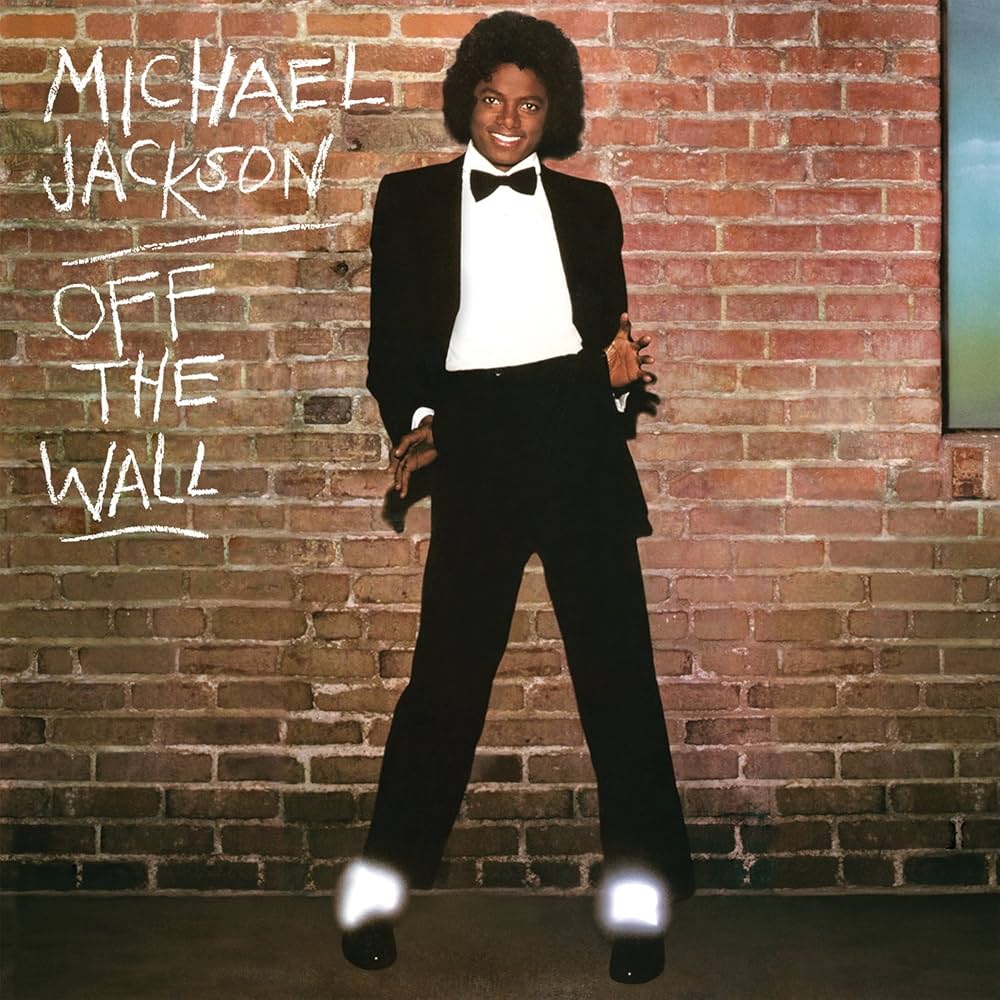
Long before Thriller became the biggest-selling album of all time, Michael Jackson made the record that truly announced his arrival as an adult artist. Released in 1979, Off the Wall marked a dramatic turning point in both his career and popular music. No longer simply the former child star from the Jackson 5, Jackson emerged as a fully realized performer with extraordinary vocal ability, remarkable confidence, and an unmistakable artistic vision.
A major factor in that transformation was producer Quincy Jones. Their first collaboration proved to be magical, blending disco, funk, R&B, soul, jazz, and pop into an album that sounded sophisticated without losing its sense of fun. Together, they created a record that appealed to dance floors, radio stations, and serious music fans alike.
Overshadowed at times by the monumental success of Thriller, Off the Wall deserves recognition on its own terms. It is one of the greatest dance-pop albums ever made and the moment Michael Jackson truly became a global superstar.
Album Overview
Off the Wall strikes an almost perfect balance between commercial appeal and artistic ambition.
At just under 43 minutes, the album wastes no time. Every track feels carefully selected, flowing naturally between energetic dance numbers, smooth ballads, sophisticated funk, and soulful mid-tempo grooves.
The supporting cast is exceptional. Songwriters including Rod Temperton, Stevie Wonder, Paul McCartney, David Foster, Tom Bahler, and Jackson himself contribute material of remarkably consistent quality. Session musicians deliver polished performances throughout, while Quincy Jones’ meticulous production ties everything together seamlessly.
Unlike many disco-era records that feel tied to a specific cultural moment, Off the Wall remains timeless because it draws from multiple genres rather than relying solely on contemporary dance trends.
It’s an album built around songs rather than fashions.
Songwriting
One of the album’s greatest strengths is the quality of its material.
Rod Temperton contributes several classics, including the irresistible title track and the infectious “Rock with You.” Both songs combine elegant melodies with rhythmic sophistication that continues to influence modern pop music.
Michael Jackson’s own “Don’t Stop ‘Til You Get Enough” serves as a stunning opening statement. Its joyful energy, layered vocal arrangements, and relentless groove immediately establish the album’s confidence while showcasing Jackson’s growing abilities as both songwriter and arranger.
“She’s Out of My Life,” written by Tom Bahler, strips away much of the album’s dancefloor energy in favor of heartbreaking vulnerability. Jackson’s emotional performance transformed the simple ballad into one of the defining love songs of his career.
Stevie Wonder’s “I Can’t Help It” introduces jazzy harmonies and subtle sophistication, while Paul McCartney’s “Girlfriend” demonstrates Jackson’s ability to reinterpret outside material with warmth and personality.
Even deeper cuts such as “Burn This Disco Out” and “Get on the Floor” maintain an impressively high standard.
Very few pop albums sustain this level of songwriting from beginning to end.
Performance
Michael Jackson delivers one of the finest vocal performances of his career.
At just twenty-one years old, his voice combines youthful excitement with growing emotional maturity. He effortlessly moves between soaring falsetto, smooth soul phrasing, playful ad-libs, and explosive rhythmic precision.
His vocal control is astonishing.
Whether delivering the joyous exuberance of “Don’t Stop ‘Til You Get Enough” or the quiet heartbreak of “She’s Out of My Life,” Jackson never sounds forced or overly theatrical.
The musicianship throughout the album is equally outstanding.
The rhythm section grooves with incredible precision, while lush horn arrangements, tasteful strings, and sophisticated keyboard work enrich nearly every track. Guitarist David Williams, bassist Louis Johnson, and drummer John Robinson provide performances that remain models of pop musicianship.
Every musician serves the groove without unnecessary excess.
Production
Quincy Jones’ production is nothing short of masterful.
The arrangements are polished but never sterile, complex without becoming cluttered. Every instrument occupies its own space, allowing the intricate rhythmic interplay to shine through with remarkable clarity.
The bass lines are warm and prominent.
The percussion sparkles.
The horn sections add excitement without overwhelming the vocals, while the string arrangements provide elegance that never feels overly sentimental.
Perhaps most impressively, the production has aged beautifully.
Unlike many late-1970s disco recordings, Off the Wall still sounds vibrant because Jones emphasized musical craftsmanship over fashionable studio gimmicks.
It remains one of the best-produced albums of its era.
Standout Tracks
“Don’t Stop ‘Til You Get Enough”
One of the greatest dance songs ever recorded. Its infectious groove, unforgettable chorus, and exhilarating vocal performance make it a flawless album opener.
“Rock with You”
Elegant, romantic, and effortlessly smooth, this timeless classic remains one of the defining slow-dance songs in pop history.
“Off the Wall”
Joyful and endlessly energetic, the title track perfectly captures the album’s celebratory spirit while featuring one of Rod Temperton’s finest compositions.
“She’s Out of My Life”
A deeply emotional ballad that showcases Jackson’s vulnerability and vocal maturity. Its understated arrangement allows every emotion to resonate.
“I Can’t Help It”
Stevie Wonder’s sophisticated songwriting blends beautifully with Jackson’s silky vocal performance, resulting in one of the album’s most underrated gems.
Weak Points
Finding significant weaknesses on Off the Wall is difficult.
A few later tracks, particularly “Girlfriend” and “It’s the Falling in Love,” are excellent pop songs but don’t quite match the extraordinary impact of the album’s biggest hits.
Additionally, listeners familiar with the cinematic scale of Thriller or Bad may find Off the Wall somewhat more understated in comparison.
These are minor observations rather than meaningful flaws. The album’s consistency remains one of its defining strengths.
Legacy
Off the Wall permanently changed Michael Jackson’s career.
The album produced four Top 10 singles in the United States, earned widespread critical acclaim, and established Jackson as one of the biggest solo artists in the world. It also laid the creative foundation for the unprecedented success of Thriller, proving that Jackson and Quincy Jones were one of the greatest artist-producer partnerships in music history.
Its influence extends far beyond pop.
Modern R&B, dance-pop, funk revivalists, and contemporary artists continue to borrow from its rhythmic sophistication, polished production, and effortless melodic style. Performers ranging from Justin Timberlake and Bruno Mars to The Weeknd have drawn inspiration from its seamless fusion of genres.
More than four decades later, Off the Wall remains one of the finest examples of dance music that prioritizes musicianship, songwriting, and emotional authenticity alongside irresistible grooves.
It is not merely the album that came before Thriller.
It is a masterpiece in its own right.
Final Score
10/10
Off the Wall is one of the greatest pop albums ever recorded and the moment Michael Jackson fully realized his extraordinary artistic potential. Every aspect of the record—from its impeccable songwriting and breathtaking vocal performances to Quincy Jones’ timeless production—is executed at an exceptionally high level. Overflowing with unforgettable songs while maintaining remarkable consistency from start to finish, it earns its place among the rare albums worthy of a perfect score.
This post has already been read 71 times!