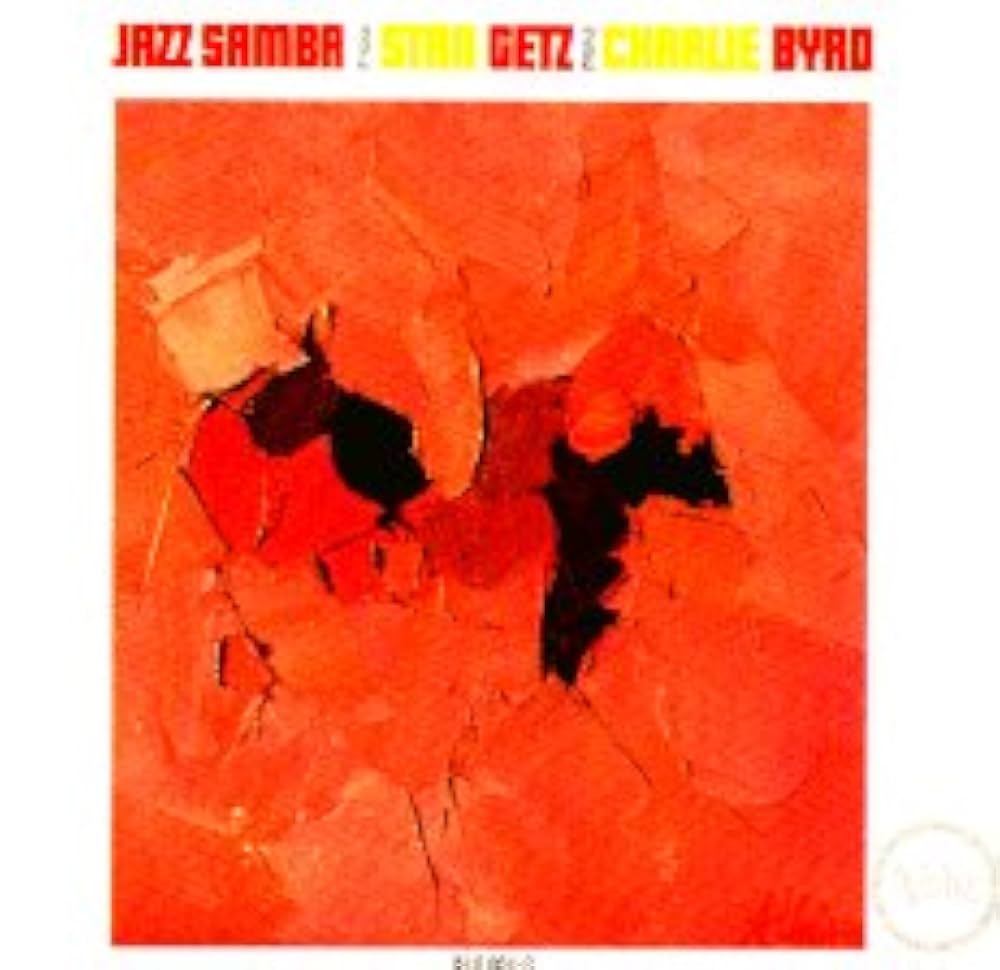
Some albums don’t simply become successful—they change the direction of music. Jazz Samba, released in 1962, is one of those rare records. Long before bossa nova became a worldwide phenomenon and before songs like “The Girl from Ipanema” dominated radio, saxophonist Stan Getz and guitarist Charlie Byrd introduced American audiences to a style of Brazilian music that would forever alter the landscape of jazz and popular music.
At first glance, Jazz Samba might appear to be a straightforward collaboration between two accomplished jazz musicians. In reality, it was the result of perfect timing. Charlie Byrd had recently returned from a State Department tour of Brazil, where he became captivated by the emerging sounds of bossa nova, a style that blended samba rhythms with understated vocals, sophisticated harmonies, and the cool elegance of modern jazz. Byrd shared this music with Getz, whose lyrical tenor saxophone proved to be an ideal match for its relaxed sophistication.
The album became an unexpected commercial sensation, reaching No. 1 on the Billboard charts and introducing millions of listeners to Brazilian music for the first time. More importantly, it sparked the bossa nova craze that would dominate jazz throughout the early 1960s and pave the way for future classics like Getz/Gilberto.
Even more than sixty years later, Jazz Samba remains one of the most inviting, influential, and effortlessly beautiful albums ever recorded.
Album Overview
One of the most remarkable aspects of Jazz Samba is how natural it feels.
Nothing sounds forced.
Nothing sounds like musicians trying to imitate another culture.
Instead, Getz and Byrd approach Brazilian music with genuine respect and curiosity.
The album balances American cool jazz with authentic Brazilian rhythms in a way that feels completely organic.
The performances are remarkably understated.
Nobody rushes.
Nobody competes for attention.
Every musician listens carefully to everyone else.
That patience becomes one of the album’s defining characteristics.
The music breathes.
Melodies unfold gradually.
Improvisations emerge naturally rather than functioning as displays of technical ability.
Unlike much of the hard bop dominating jazz during the early 1960s, Jazz Samba embraces restraint.
Its greatest moments often arrive through subtle shifts in harmony, rhythm, or phrasing rather than explosive solos.
That relaxed confidence gives the album an almost timeless quality.
Whether heard in a quiet living room, a café, or through headphones late at night, it creates an atmosphere few albums can match.
Songwriting
Although the album primarily interprets compositions by Brazilian songwriters, the selections are exceptionally well chosen.
Each piece highlights a different aspect of bossa nova while providing ample room for jazz improvisation.
The opening track, “Desafinado,” immediately establishes the album’s identity. Antônio Carlos Jobim’s melody flows effortlessly beneath Getz’s warm tenor saxophone while Byrd’s delicate guitar playing anchors the performance with elegant rhythmic precision.
“Samba dees Days” injects slightly more energy without sacrificing the album’s overall sense of calm, demonstrating how seamlessly jazz improvisation can coexist with Brazilian rhythmic traditions.
“O Pato” adds playful charm, its memorable melody making it one of the album’s most accessible performances.
“Samba Triste” explores a more melancholic atmosphere, allowing the musicians to demonstrate remarkable emotional sensitivity through subtle phrasing rather than dramatic gestures.
Throughout the record, improvisation never overshadows the compositions themselves.
Every solo feels connected to the melody.
Every variation serves the song.
That balance between composition and improvisation remains one of the album’s greatest achievements.
Performance
Stan Getz delivers one of the defining performances of his extraordinary career.
His tenor saxophone possesses an almost vocal quality.
Every phrase flows effortlessly.
His tone remains warm, rich, and impossibly smooth.
Rather than overwhelming the music with technical fireworks, Getz focuses on melody and emotional expression.
His playing seems to float above the rhythm section.
Charlie Byrd proves equally essential.
His classical guitar background allows him to navigate the intricate Brazilian rhythms with remarkable elegance.
His accompaniment remains tasteful throughout, while his solos display impressive technical skill without ever becoming flashy.
The rhythm section deserves enormous praise as well.
Bass and percussion maintain the subtle pulse that defines bossa nova, creating grooves that feel both relaxed and incredibly precise.
One of the album’s greatest strengths is its ensemble playing.
Nobody dominates.
Nobody disappears.
Every musician contributes to the same musical conversation.
That collaborative spirit gives the performances extraordinary warmth.
Production
Recorded with impressive clarity for the early 1960s, Jazz Samba remains a wonderfully natural-sounding album.
The production avoids unnecessary studio manipulation, allowing the musicians to occupy realistic acoustic space.
Getz’s saxophone sits prominently in the mix without overpowering Byrd’s guitar.
The percussion remains subtle but essential.
Every instrument is clearly defined.
The intimate recording quality enhances the album’s relaxed atmosphere.
Rather than striving for dramatic sonic impact, the production prioritizes balance and realism.
The stereo image feels spacious.
The instruments breathe naturally.
Silences become as important as the notes themselves.
Decades later, the recording continues to sound remarkably fresh.
Its simplicity has aged far better than many more elaborate productions from the same era.
Standout Tracks
Although every performance contributes to the album’s remarkable consistency, several tracks stand among the finest recordings of the early bossa nova movement.
“Desafinado” is the undeniable masterpiece. Getz’s unforgettable saxophone melody and Byrd’s elegant accompaniment helped introduce millions of listeners to Antônio Carlos Jobim’s songwriting and remain utterly captivating today.
“Samba dees Days” offers one of the album’s liveliest performances, showcasing the ensemble’s effortless rhythmic chemistry while allowing each musician room to shine.
“Samba Triste” captures the emotional depth of bossa nova through understated beauty, demonstrating how powerful restraint can be.
“O Pato” balances sophistication with playful charm, becoming one of the album’s most immediately memorable melodies.
“E Luxo Só” closes the record with quiet confidence, leaving listeners immersed in the album’s warm, inviting atmosphere.
Weak Points
Finding genuine weaknesses is difficult, though the album’s understated nature may not appeal to every listener.
Those expecting the explosive improvisation of hard bop or the adventurous experimentation of avant-garde jazz may initially find the performances too restrained.
At just over thirty minutes, the album also feels surprisingly brief by modern standards, leaving listeners wanting more.
Additionally, because the musicians deliberately prioritize mood and cohesion over individual virtuosity, some jazz fans seeking extended solos may find the improvisations relatively modest.
These observations reflect stylistic choices rather than meaningful flaws.
The album succeeds precisely because of its restraint.
Legacy
Few jazz albums have had a greater cultural impact than Jazz Samba.
Its unexpected commercial success introduced bossa nova to American audiences and forever changed the relationship between Brazilian and American jazz.
Without Jazz Samba, later masterpieces such as Getz/Gilberto may never have reached the audiences they ultimately did.
The album also helped establish Stan Getz as the leading international ambassador for bossa nova while bringing deserved recognition to Charlie Byrd’s role in introducing the genre to the United States.
Beyond its historical importance, Jazz Samba remains remarkably accessible.
Its warmth, elegance, and melodic beauty continue attracting listeners who may never have explored jazz before.
That lasting accessibility is perhaps its greatest achievement.
It serves as both a landmark historical recording and an endlessly enjoyable listening experience.
Very few albums accomplish both so effortlessly.
Final Score: 9.5/10
Jazz Samba is one of the most influential and effortlessly beautiful jazz albums ever recorded. Stan Getz and Charlie Byrd created far more than a successful collaboration—they built a bridge between musical cultures that transformed jazz for decades to come.
Every aspect of the album succeeds through elegance rather than excess. The performances are masterfully restrained, the production remains timeless, and the songwriting showcases the extraordinary sophistication of early bossa nova. Even after more than sixty years, the music retains a freshness and warmth that countless recordings have struggled to match.
Only a handful of jazz albums have altered the course of the genre while remaining this consistently enjoyable. Jazz Samba is one of those rare achievements—a landmark recording whose historical importance is matched by its enduring musical brilliance.
This post has already been read 64 times!