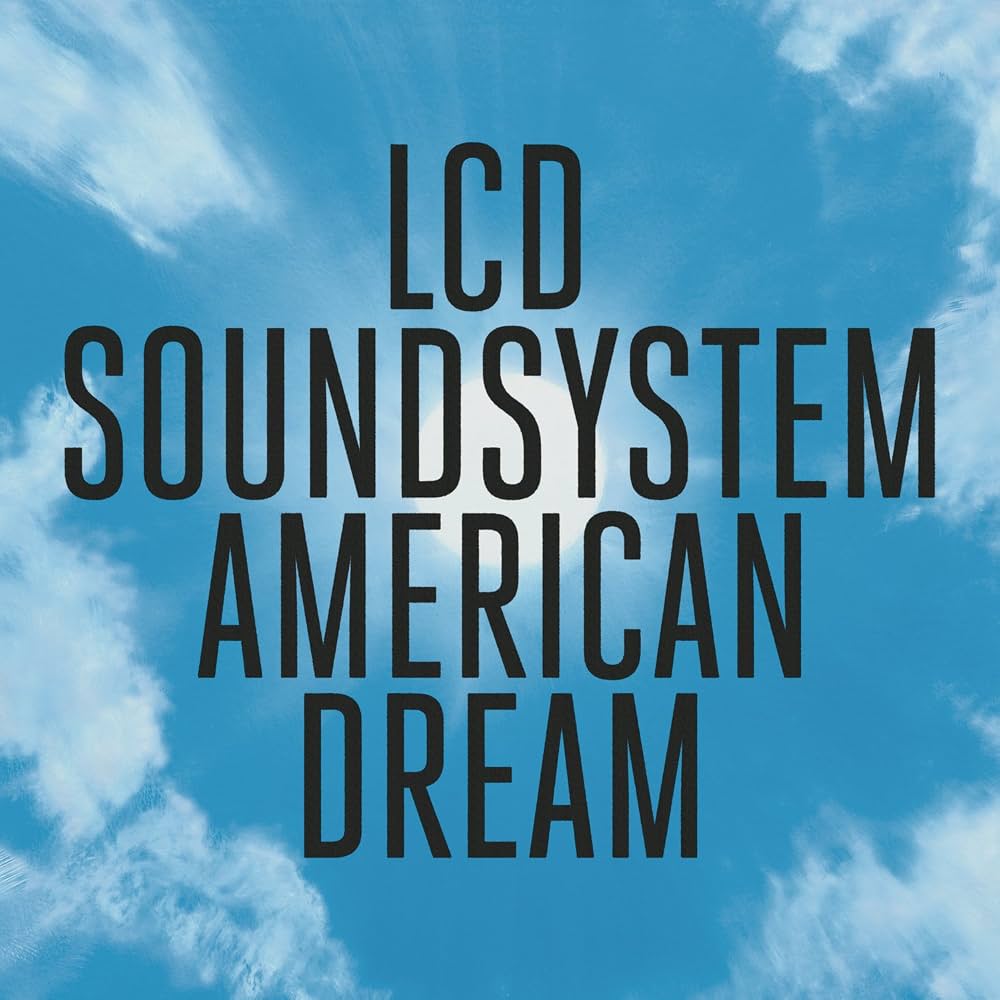
Reunion albums often arrive with impossible expectations. Fans hope for the same excitement that made the original records special, while critics wait to see whether the comeback is driven by genuine inspiration or simple nostalgia. After James Murphy famously ended LCD Soundsystem with a sold-out farewell show at Madison Square Garden in 2011, few believed the band would ever return, let alone produce one of its strongest albums.
Released on September 1, 2017, American Dream arrived after six years of silence and immediately silenced concerns that LCD Soundsystem had returned merely to capitalize on their popularity. Instead of trying to recreate the dance-floor urgency of Sound of Silver or the sprawling ambition of This Is Happening, Murphy delivered an album shaped by middle age, uncertainty, grief, political anxiety, and the strange feeling of existing in an increasingly disconnected world.
Despite those heavy themes, American Dream remains deeply enjoyable. It balances introspection with irresistible grooves, melancholy with humor, and electronic experimentation with the sharp songwriting that has always separated LCD Soundsystem from countless dance-rock imitators.
Rather than sounding like a band reliving its past, LCD Soundsystem returned with music that reflected exactly where its members were in life.
Album Overview
American Dream feels more restrained than many of the band’s earlier records, but that restraint becomes one of its greatest strengths.
James Murphy once again blends dance-punk, post-punk, electronic music, krautrock, synth-pop, and art rock into a sound that remains instantly recognizable. Vintage synthesizers, pulsing bass lines, live drums, pianos, and shimmering electronic textures create arrangements that constantly evolve without becoming cluttered.
The pacing is particularly impressive.
Fast, groove-heavy tracks are carefully balanced against quieter moments of reflection, giving the album emotional depth without sacrificing momentum. Murphy has always understood that repetition can be hypnotic rather than monotonous, and nearly every song develops patiently through subtle instrumental additions.
The production is warm, spacious, and organic, avoiding the sterile precision that often plagues electronic music.
It rewards both headphone listening and crowded dance floors.
Songwriting
James Murphy remains one of modern music’s sharpest observers.
“Oh Baby” opens the album with unexpected tenderness. Its gentle synthesizers and emotional vulnerability immediately signal that this will be a more reflective record than many fans anticipated.
“Other Voices” gradually builds into one of the album’s most exhilarating grooves, while “I Used To” examines aging and memory with wit and quiet melancholy.
“Call the Police” ranks among Murphy’s finest songs. Blending driving guitars, urgent rhythms, and an unforgettable chorus, it captures both personal frustration and broader social unease without becoming heavy-handed.
“American Dream” slows the pace considerably, offering one of the album’s most introspective moments through elegant piano work and understated vocals.
“Tonite” provides the record’s most infectious dance groove while delivering a surprisingly thoughtful critique of modern culture and empty consumption.
The closing stretch, featuring “How Do You Sleep?” and “Black Screen,” is particularly strong. The former simmers with hypnotic tension, while the latter serves as a moving tribute to David Bowie and offers one of Murphy’s most emotionally affecting performances.
The songwriting consistently balances intelligence with accessibility.
Performance
James Murphy has never relied on vocal virtuosity.
Instead, his conversational delivery gives his songs remarkable authenticity. Whether sounding weary, sarcastic, hopeful, or quietly devastated, Murphy communicates emotion with understated confidence.
Instrumentally, LCD Soundsystem remains one of the tightest bands working in alternative music.
Pat Mahoney’s drumming provides the album’s rhythmic backbone, while Nancy Whang’s keyboards and vocal contributions continue to enrich the arrangements. The band’s ability to make repetitive grooves feel constantly alive remains extraordinary.
Every performance reflects years of musical chemistry.
Nothing feels forced or nostalgic.
Production
Murphy’s production is exceptional.
The album sounds rich without becoming overproduced. Analog synthesizers possess genuine warmth, bass lines remain punchy, guitars cut through the mix naturally, and percussion carries tremendous depth.
Perhaps most impressive is the album’s dynamic range.
Rather than chasing maximum loudness, Murphy allows songs to breathe. Quiet passages remain intimate, making the larger crescendos feel far more impactful.
The production also avoids following contemporary electronic trends, ensuring the album has aged remarkably well despite its reliance on vintage equipment and influences.
Every sonic choice feels intentional.
Standout Tracks
“Call the Police”
One of the finest songs Murphy has ever written. Urgent, emotionally resonant, and built around an unforgettable chorus.
“Tonite”
A brilliant fusion of dance music and social commentary featuring one of the album’s most addictive grooves.
“Oh Baby”
A beautiful and surprisingly vulnerable opener that immediately establishes the album’s emotional maturity.
“How Do You Sleep?”
Slow-building tension, hypnotic repetition, and extraordinary production combine into one of the record’s most rewarding experiences.
“Black Screen”
A heartfelt and moving tribute that provides the perfect conclusion to the album.
Weak Points
While consistently excellent, American Dream occasionally favors atmosphere over immediacy.
Several songs unfold gradually, demanding patience from listeners expecting the instant hooks of earlier LCD Soundsystem classics like “All My Friends” or “Dance Yrself Clean.”
Additionally, the album’s reflective tone means it rarely reaches the explosive highs that characterized parts of the band’s previous work.
These choices suit its themes but slightly reduce its overall excitement.
Legacy
American Dream stands as one of the rare reunion albums that genuinely enhances a band’s legacy.
Rather than diminishing the impact of LCD Soundsystem’s original run, it demonstrated that James Murphy still had meaningful artistic ground to explore. The album debuted at No. 1 on the Billboard 200, won the Grammy Award for Best Dance/Electronic Album, and reaffirmed Murphy’s reputation as one of alternative music’s most thoughtful songwriters and producers.
Its influence continues to be felt across indie electronic music, dance-punk, and art rock, particularly in how it balances emotional introspection with rhythmic sophistication.
Although Sound of Silver and This Is Happening remain slightly stronger overall statements, American Dream comfortably belongs alongside them as one of LCD Soundsystem’s essential releases.
It is a comeback album that succeeds because it looks forward instead of backward.
Final Score: 8.5/10
American Dream is an intelligent, emotionally mature return that proves LCD Soundsystem still had plenty to say after six years away. James Murphy’s thoughtful songwriting, exceptional production, and the band’s effortlessly hypnotic performances create an album that rewards patience and repeated listening. While it lacks a few of the career-defining highs found on the band’s earlier masterpieces, its consistency, warmth, and artistic confidence make it one of the strongest comeback albums of the 21st century.
This post has already been read 67 times!