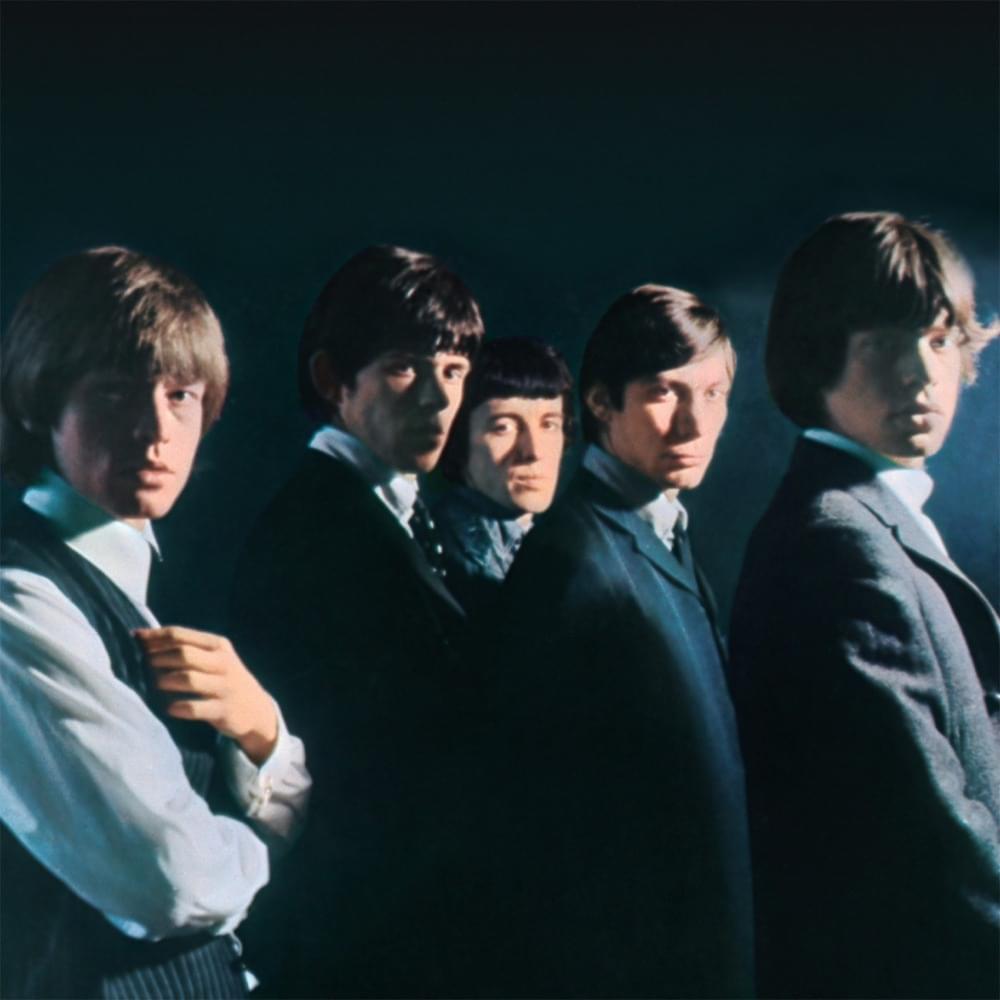
The first album by The Rolling Stones doesn’t sound like the birth of one of rock’s greatest bands. It sounds like five young musicians absolutely obsessed with American blues and rhythm & blues, eager to play the music they loved with as much energy and authenticity as possible. In retrospect, that’s exactly what makes it so fascinating.
Unlike many debut albums that introduce a band’s signature style immediately, The Rolling Stones serves as a snapshot of a group still discovering its identity. Mick Jagger and Keith Richards had not yet become one of rock’s greatest songwriting partnerships. Instead, the album leans heavily on covers of blues, R&B, and early rock and roll classics. Yet even while interpreting other artists’ material, there’s already a swagger and attitude that separates the Stones from nearly every other British band of the era.
It’s rough around the edges, occasionally uneven, but undeniably exciting.
Album Overview
Released in 1964, The Rolling Stones arrived at the height of the British Invasion. While many of their contemporaries emphasized polished pop melodies, the Stones embraced something grittier. Their heroes weren’t primarily pop stars—they were artists like Muddy Waters, Jimmy Reed, Chuck Berry, and Bo Diddley.
That influence dominates the record.
Of the album’s twelve tracks, only one is credited to the emerging Jagger-Richards songwriting team (under the pseudonym “Nanker Phelge” shared by the band). The rest are interpretations of American blues and R&B standards that had shaped the band’s early club performances.
Rather than trying to improve upon the originals, the Stones inject them with youthful urgency. The performances are loose, occasionally chaotic, but full of personality.
Listening today, it’s easy to hear the blueprint for everything that would follow: the blues foundation, the raw guitar interplay, Jagger’s charismatic vocals, and Charlie Watts’ steady, understated drumming.
Songwriting
Judging the songwriting is somewhat unusual since most of the material wasn’t written by the band.
The selections themselves demonstrate excellent taste. Instead of choosing obvious commercial hits, the Stones shine a spotlight on lesser-known American blues and R&B songs that many British listeners had never encountered.
That decision helped introduce an entirely new audience to artists who deserved far greater recognition.
The lone original, “Tell Me (You’re Coming Back),” offers an intriguing glimpse into the future. While simpler than the classics Jagger and Richards would later write, it already displays their instinct for memorable melodies and emotional directness.
The covers succeed because the band doesn’t simply imitate the originals. They reinterpret them with greater aggression and a distinctly British perspective, giving familiar songs fresh energy.
Even so, the absence of more original material prevents the album from feeling like a complete artistic statement.
Performance
The performances are where the album truly comes alive.
Mick Jagger already possesses remarkable charisma. His voice isn’t yet as confident or expressive as it would become, but his enthusiasm is infectious. He attacks every song with conviction, bringing youthful intensity to material originally performed by seasoned blues veterans.
Keith Richards and Brian Jones form an outstanding guitar partnership. Richards provides much of the rhythmic drive, while Jones adds slide guitar, harmonica, and other instrumental flourishes that enrich nearly every track.
Jones, in particular, emerges as one of the album’s MVPs. His deep knowledge of American blues traditions gives many performances their authentic feel.
Charlie Watts demonstrates the tasteful restraint that would define his career. Never flashy, he anchors every song with impeccable timing and groove.
Bill Wyman’s bass work often goes unnoticed, but his solid playing provides an essential foundation throughout the record.
While the musicians occasionally sound inexperienced, they never lack passion.
Production
Recorded quickly and on a modest budget, the production reflects the limitations of early-1960s British studios.
Fortunately, those limitations work in the album’s favor.
The sound is raw, immediate, and refreshingly unpolished. Instruments bleed into one another, vocals occasionally distort slightly, and the overall mix prioritizes energy over perfection.
Modern listeners accustomed to pristine digital recordings may find the sound somewhat dated, but stripping away that roughness would remove much of the album’s charm.
Producer Andrew Loog Oldham wisely avoided excessive studio trickery. The emphasis remains on capturing the band’s live chemistry rather than constructing elaborate arrangements.
The mono mix, in particular, delivers tremendous punch, allowing the rhythm section and guitars to hit with surprising force.
Standout Tracks
“Route 66” opens the album with confidence, immediately establishing the band’s love for American rhythm & blues while showcasing their energetic playing.
“I Just Want to Make Love to You” remains one of the album’s strongest performances. Jagger sounds increasingly comfortable with blues material, while the band locks into a powerful groove.
“Carol”, Chuck Berry’s classic, highlights the Stones’ ability to reinterpret rock and roll standards without losing their original spirit.
“Can I Get a Witness” injects Marvin Gaye’s Motown hit with greater grit, trading polish for raw enthusiasm.
“Walking the Dog” perfectly captures the band’s loose, club-band chemistry. It’s playful, confident, and impossible not to enjoy.
The lone original, “Tell Me (You’re Coming Back),” deserves recognition for hinting at the songwriting brilliance that would soon transform the Stones into legends.
Weak Points
The biggest limitation is obvious: there’s very little original material.
Although the covers are generally excellent, the album lacks the distinctive songwriting identity that defines the band’s later masterpieces. It’s difficult to separate The Rolling Stones from the artists whose music it celebrates.
The pacing also becomes somewhat repetitive. Since many songs draw from similar blues structures, portions of the album blend together after extended listening.
The production, while charmingly raw, occasionally buries instrumental details beneath a dense mix, particularly on some of the faster numbers.
Finally, listeners familiar only with the band’s late-1960s classics may be surprised by how restrained the record feels. There’s little hint here of the ambitious songwriting and stylistic experimentation that would soon follow.
Legacy
As a historical document, The Rolling Stones is enormously important.
It introduced one of rock’s greatest bands while helping popularize American blues for an entirely new generation of listeners. Without albums like this, countless listeners might never have discovered many of the Black American artists who inspired the British blues boom.
It also established the rebellious image that would become central to the Stones’ identity. While musically rooted in tradition, the band’s attitude already distinguished them from their more polished contemporaries.
In hindsight, the album serves less as a definitive artistic statement and more as the opening chapter of an extraordinary story.
The truly groundbreaking work was still ahead.
Within just a few years, Jagger and Richards would begin producing some of the greatest rock songs ever written. That future greatness makes this debut especially fascinating, allowing listeners to hear the foundation before the skyscraper was built.
Final Score
8.0/10
The Rolling Stones is an energetic, deeply enjoyable debut that captures a legendary band before it fully found its own voice. Its passionate performances, authentic love of American blues, and infectious youthful energy make it an essential piece of rock history, even if its reliance on cover songs limits its artistic individuality. While later Stones albums would eclipse it in nearly every category, this debut remains a compelling and historically significant introduction to one of music’s greatest careers.
This post has already been read 65 times!