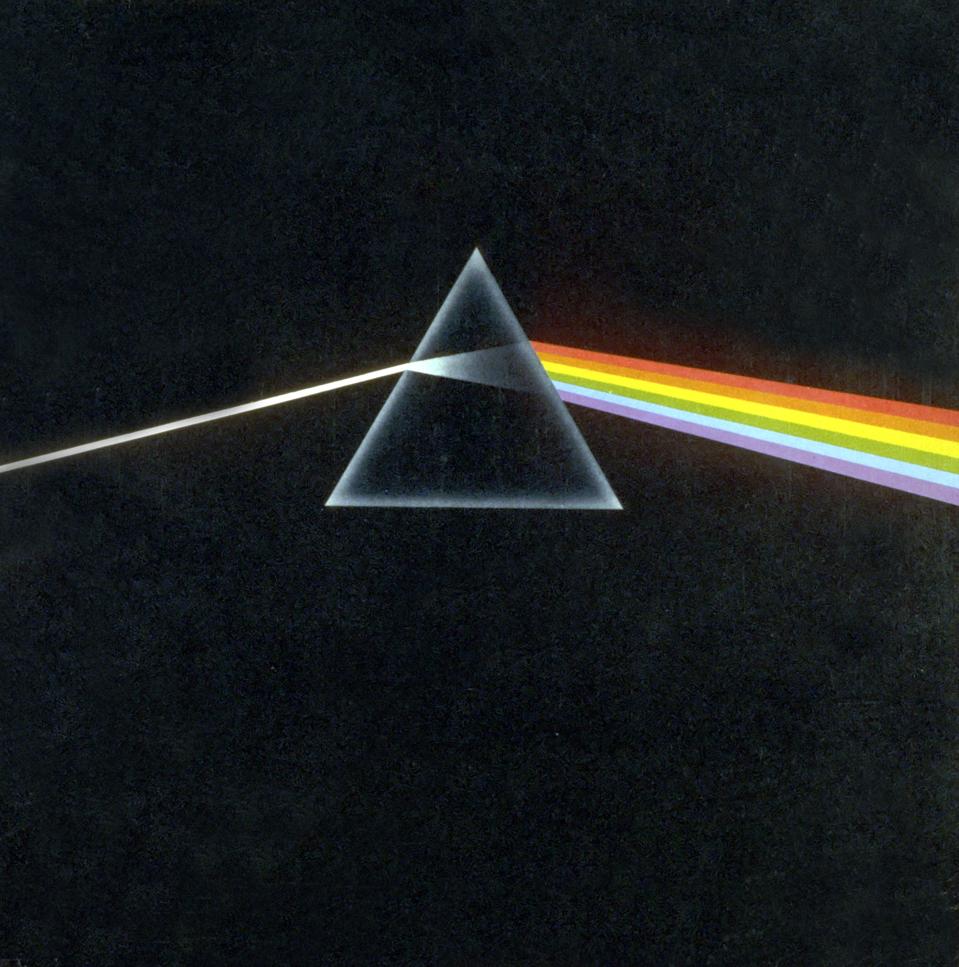
Released in March 1973, Pink Floyd’s monumental eighth studio album, The Dark Side of the Moon, stands as a peerless cultural artifact that permanently redefined the possibilities of recorded music. Engineered by Alan Parsons at Abbey Road Studios, the record transformed the British quartet from psychedelic experimentalists into global stadium icons by marrying profound sonic innovation with universally resonant human themes. Rather than relying on traditional pop structures, Roger Waters, David Gilmour, Richard Wright, and Nick Mason constructed a seamless, concept-driven song cycle that explores the modern human condition, capturing the crushing weight of passage of time, the inescapable anxieties of financial pressure, the descent into mental isolation, and the looming shadow of mortality. The resulting forty-three-minute masterpiece is not merely an album to be listened to, but an immersive, psychological journey that continues to captivate generation after generation of listeners with its timeless execution.
The record opens with the iconic heartbeat and a collage of manic studio chatter on “Speak to Me” and “Breathe (In the Air),” gently lifting the listener into a state of hypnotic suspension. Gilmour’s slide guitar shimmers effortlessly over Wright’s warm electric piano chords, establishing an atmosphere of quiet introspection before the album abruptly shatters its own tranquility with “On the Run.” Propelled by an insurgent VCS3 synthesizer sequence and frantic airport sound effects, this instrumental piece brilliantly mimics the overwhelming, mechanized panic of modern travel and frantic lifestyles. This escalating dread bleeds directly into “Time,” anchored by the startling, cacophonous alarm clock intro that serves as a visceral wake-up call. Driven by Mason’s heavy, tom-driven drum beat, Gilmour’s searing, blues-drenched guitar solos, and a lyrical warning about the rapid erosion of youth, the song remains one of the most sobering meditations on existential urgency ever committed to tape.
Side one culminates with “The Great Gig in the Sky,” a breathtaking showcase for Wright’s gorgeous, cascading piano chords and the soaring, wordless vocal delivery of session singer Clare Torry. Brought in to improvise over the track, Torry’s performance is nothing short of transcendent, traversing grief, religious ecstasy, and the finality of death through raw, gut-wrenching vocal acrobatics that leave a permanent mark on the listener. Flipping the vinyl to side two brings the listener face-to-face with the album’s sharper, more satirical cultural critiques, beginning with the tape-loop cash registers and clinking change of “Money.” Built around an infectious, asymmetric 7/4 bass groove played by Waters, the track takes direct aim at corporate greed and the commodification of art, punctuated by hard-hitting saxophone lines and a blistering guitar solo that turns commercial cynicism into an undeniable, toe-tapping rock staple.
The album’s emotional gravity deepens immediately following the capitalist critique with “Us and Them,” a sprawling, jazz-inflected ballad that examines tribalism, war, and societal division through a lens of weary resignation. Wright’s lush Hammond organ and Gilmour’s delayed vocals create a vast, spacious soundscape that is periodically pierced by screaming saxophone crescendos, emphasizing the tragic absurdity of fighting wars for invisible borders. This thematic descent into psychological fragmentation reaches its dark climax on “Brain Damage” and “Eclipse,” tracks that directly address madness, alienation, and the literal or metaphorical dark side of the human psyche. Featuring iconic lines about lunatics on the grass and a concluding spoken-word admission that “there is no dark side of the moon, really—matter of fact, it’s all dark,” the songs bring the overarching narrative to a brilliant, circular close. The Dark Side of the Moon ultimately endures because its exploration of our collective fears and shared vulnerabilities remains profoundly human, cementing its status as an eternal masterpiece of art rock.
This post has already been read 90 times!