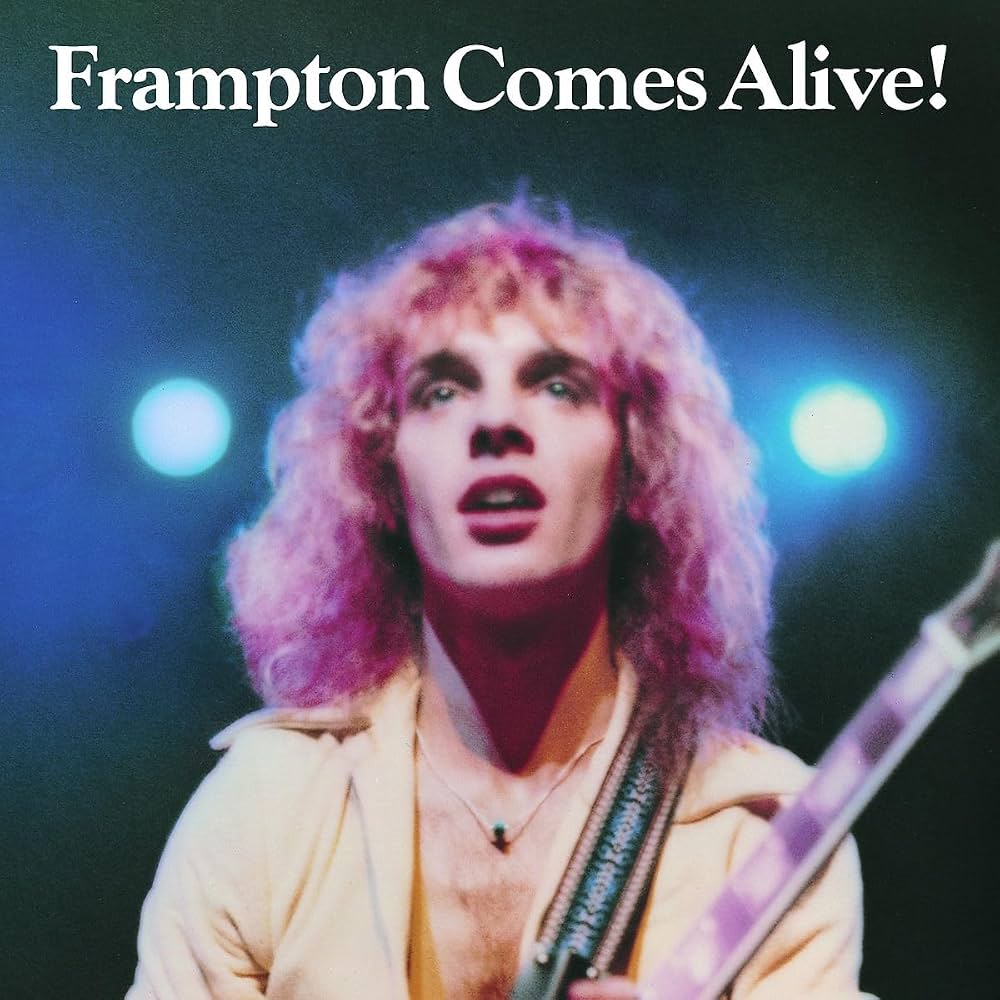
Released in January 1976, Peter Frampton’s blockbuster double-live album, Frampton Comes Alive!, stands as one of the most commercially successful and culturally defining live releases in the history of rock and roll. Recorded across several stops on his relentless American tour in the summer and fall of 1975—primarily capturing performances at San Francisco’s Winterland Ballroom and the Long Island Arena—the album transformed the former Humble Pie guitarist from a respected British axeman into a ubiquitous American arena superstar. Co-produced by Frampton himself, the record brilliantly harnessed the electric, high-energy camaraderie of his live shows, capturing an artist at the absolute zenith of his creative powers. By combining infectious pop-rock melodic sensibilities with innovative guitar technology, particularly the pioneering use of the talk box, Frampton crafted a double-album phenomenon that defined the sound of mid-1970s FM radio and captured the unbridled spirit of youth culture.
The album opens with “Something’s Happening,” an energetic, sun-drenched rocker that immediately sets a celebratory tone and coaxes a roaring, ecstatic reaction from the packed auditorium. Frampton’s warm, inviting vocals and fluid guitar work instantly establish a powerful rapport with the audience, bridging the physical gap between stage and bleachers. This momentum surges directly into “Do You Feel Like We Do,” which appears here in a truncated introductory form before its full glory later, and flows seamlessly into the breezy, acoustic-driven charm of “Lines on My Face.” The track highlights Frampton’s underappreciated prowess as a delicate, expressive balladeer, utilizing subtle string machine textures and pristine acoustic strums to create a moment of intimacy amidst the booming acoustics of a massive concert hall.
As the double-vinyl journey unfolds across its four sides, it unfurls a string of career-defining radio staples that would come to dominate the era’s airwaves. “Show Me the Way” emerges as an undeniable centerpiece, driven by its bouncy rhythm and the jaw-dropping, vocal-like wail of Frampton’s custom talk box, a device that allowed him to shape his guitar notes into intelligible syllables. The crowd’s ecstatic roar in response to the signature talk-box intro remains one of the most thrilling captured moments on any live recording. This is closely followed by “Baby, I Love Your Way,” a gentle, reggae-tinged acoustic masterpiece that showcases his knack for writing effortlessly catchy, romantic pop melodies that resonated deeply with millions of listeners seeking a softer, sunlit escape.
The second half of the record shifts into heavier, more expansive territory, highlighted by the blistering blues-rock workout of “It’s a Plain Shame” and the soaring, optimistic anthem “Wind of Change.” Frampton’s lead guitar playing throughout these extended jams is nothing short of masterclass-level, balancing technical virtuosity with melodic accessibility. The entire monumental experience finally culminates in the legendary, nearly fourteen-minute epic version of “Do You Feel Like We Do.” This sprawling tour de force serves as a masterclass in crowd-work and sonic exploration, featuring extended synthesizer solos, blistering guitar duels, and an unforgettable call-and-response segment using the talk box that whipped live audiences into a literal frenzy. Frampton Comes Alive! ultimately endures because it perfectly encapsulates the pure, communal euphoria of a 1970s rock concert, cementing its status as an immortal monument to pop-rock joy.
This post has already been read 67 times!