Introduction
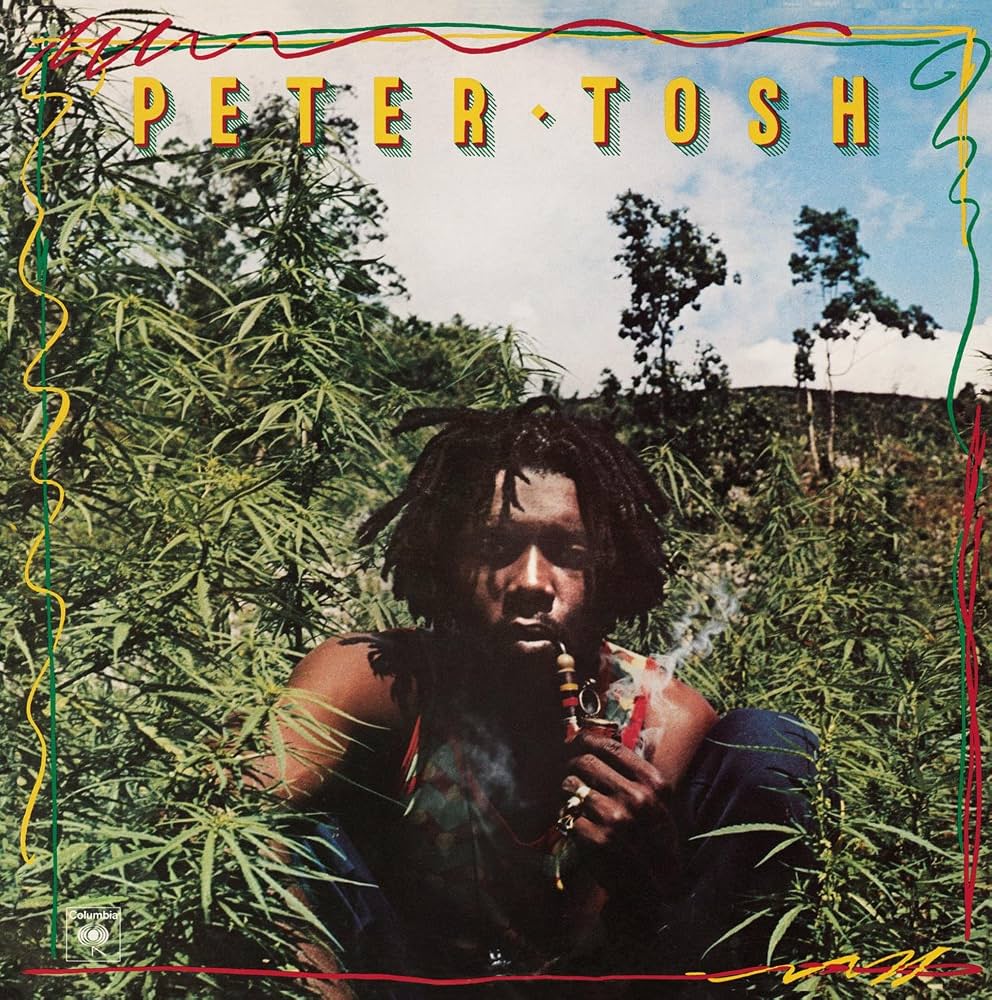
Peter Tosh spent years helping define reggae as one-third of The Wailers alongside Bob Marley and Bunny Wailer, but Legalize It proved he never needed anyone else to make a powerful musical statement. Released in 1976 as his first solo studio album, the record immediately established Tosh as one of reggae’s most fearless voices. While many listeners remember the title track above everything else, the album is much deeper than a single anthem. It combines militant social commentary, spiritual conviction, humor, romance, and some of the finest roots reggae grooves ever recorded.
Rather than chasing commercial success, Tosh embraced his role as a truth teller. His songs challenged governments, criticized injustice, defended African identity, and celebrated personal freedom. Even decades after its release, Legalize It remains remarkably fresh because many of the issues Tosh addressed still resonate today.
Album Overview
Recorded shortly after Tosh left The Wailers, Legalize It represented a new beginning. Free from creative compromises, he delivered an album that reflected exactly who he was as an artist. Every song carries his unmistakable personality—confident, uncompromising, and deeply committed to his beliefs.
The album balances political material with more personal songs, preventing it from becoming one-dimensional. Moments of confrontation are followed by warm love songs or celebrations of Jamaican culture. Throughout the record, the musicians create a relaxed yet powerful atmosphere built around deep bass lines, crisp guitar rhythms, rolling percussion, and tasteful keyboard work.
Unlike many albums from the era that rely on studio effects or elaborate production, Legalize It succeeds through simplicity. Every instrument has room to breathe, allowing Tosh’s commanding baritone to remain the centerpiece.
Songwriting
Peter Tosh possessed a unique songwriting style. His lyrics were direct, accessible, and impossible to misunderstand. He rarely relied on complicated metaphors because he wanted listeners to clearly understand his message.
The title track immediately announces his approach. Rather than offering vague commentary, Tosh passionately argues for the legalization of marijuana while highlighting its medicinal, spiritual, and practical uses. The song became controversial upon release, yet its popularity only grew as attitudes toward cannabis evolved around the world.
Beyond the famous opener, Tosh explores a wide variety of themes.
“Burial” reflects on mortality while urging listeners to consider what truly matters in life. The song carries an almost meditative quality despite its heavy subject matter.
“Whatcha Gonna Do?” confronts oppression with determination instead of surrender, asking difficult questions about justice and resistance.
“No Sympathy” examines emotional betrayal through a surprisingly soulful lens, revealing Tosh’s ability to write compelling personal material alongside his political songs.
“Why Must I Cry” stands among the album’s most heartfelt performances. It shows vulnerability without sacrificing strength, proving Tosh was far more versatile than many casual listeners realize.
Songs like “Igziabeher (Let Jah Be Praised)” celebrate Rastafarian spirituality while reinforcing themes of faith and perseverance.
Throughout the album, Tosh avoids preaching. Instead, he presents his convictions with such confidence that listeners naturally engage with his perspective.
Performance
Peter Tosh delivers one of the strongest vocal performances of his career. His deep, commanding voice carries tremendous authority while remaining remarkably expressive.
Unlike singers who depend on vocal gymnastics, Tosh communicates emotion through tone and phrasing. Whether expressing anger, compassion, determination, or joy, every word feels authentic.
His guitar playing also deserves recognition. Tosh had an excellent sense of rhythm, providing subtle but essential contributions that strengthen the album’s foundation.
The supporting musicians understand exactly what the songs require. Nobody overplays. Bass and drums establish hypnotic grooves while keyboards and guitars add colorful textures without distracting from Tosh’s vocals.
That restraint allows each composition to develop naturally. Even slower songs maintain momentum because every musician serves the groove rather than individual virtuosity.
Production
The production captures everything that makes classic roots reggae timeless.
The bass is warm and prominent without overwhelming the mix. Drums remain crisp and organic, emphasizing groove instead of sheer power. Guitar skanks sit comfortably within the stereo image, while keyboards provide subtle melodic accents.
Perhaps most impressive is how natural everything sounds. There are no unnecessary studio tricks competing for attention. The performances feel live, giving the album an intimacy that modern productions often struggle to achieve.
The pacing is equally effective. The record moves confidently between politically charged material, spiritual reflections, and more personal moments without ever feeling disjointed.
Nearly fifty years later, the production continues to sound vibrant because it was built around musicianship rather than contemporary trends.
Standout Tracks
“Legalize It”
The obvious centerpiece remains unforgettable. Its instantly recognizable groove, memorable chorus, and fearless message transformed it into one of reggae’s defining recordings. What once seemed controversial now feels almost prophetic given changing attitudes toward cannabis around the globe.
“Why Must I Cry”
One of the album’s emotional highlights, this song showcases Tosh’s ability to communicate heartbreak with sincerity. His restrained vocal performance gives the lyrics considerable weight.
“Burial”
Thoughtful and haunting, “Burial” explores mortality with remarkable maturity. The arrangement perfectly complements its reflective mood.
“Igziabeher (Let Jah Be Praised)”
Rich in spiritual conviction, this track demonstrates Tosh’s deep Rastafarian faith while delivering another irresistible reggae groove.
“No Sympathy”
Blending soulful melodies with honest emotion, “No Sympathy” reveals a softer side of Tosh without sacrificing his commanding presence.
Weak Points
The album’s greatest strength—its unwavering commitment to Tosh’s worldview—can also present a challenge for some listeners.
Those expecting lighter reggae or more pop-oriented songwriting may find parts of the record uncompromising. Tosh never softens his convictions to broaden commercial appeal, and his direct lyrical style leaves little room for ambiguity.
A few songs also share similar tempos, reflecting the relaxed pacing common to roots reggae during the mid-1970s. Listeners unfamiliar with the genre may initially perceive the album as less varied than it truly is, though repeated listens reveal subtle differences in groove, arrangement, and mood.
These are relatively minor criticisms, especially considering how cohesive the album remains from beginning to end.
Legacy
Legalize It stands as one of the greatest debut solo albums in reggae history.
While Bob Marley eventually became reggae’s global ambassador, Peter Tosh established himself as perhaps the genre’s boldest political voice. His willingness to challenge authority inspired countless reggae artists while influencing musicians far beyond Jamaica.
The title track evolved into an international cultural landmark, but the album’s lasting importance extends well beyond that single recording. It demonstrated that reggae could successfully combine infectious rhythms with serious political, spiritual, and social commentary without sacrificing musical quality.
Its influence can still be heard in roots reggae, dancehall, hip-hop, and protest music worldwide. As governments have increasingly reconsidered cannabis laws, the album has gained additional historical significance, making Tosh’s message appear remarkably forward-thinking.
For reggae enthusiasts, Legalize It remains essential listening—not merely as a historical document, but as a vibrant collection of outstanding songs that continue to inspire new generations.
Final Score: 9.5/10
Peter Tosh’s Legalize It is a landmark achievement that perfectly balances memorable songwriting, exceptional musicianship, fearless social commentary, and timeless production. Every performance feels authentic, every groove remains irresistible, and Tosh’s commanding presence elevates the material from excellent to unforgettable. While its uncompromising perspective may not appeal to every listener, its artistic confidence and lasting cultural impact make it one of the defining albums of reggae history and an essential addition to any serious music collection.
This post has already been read 159 times!