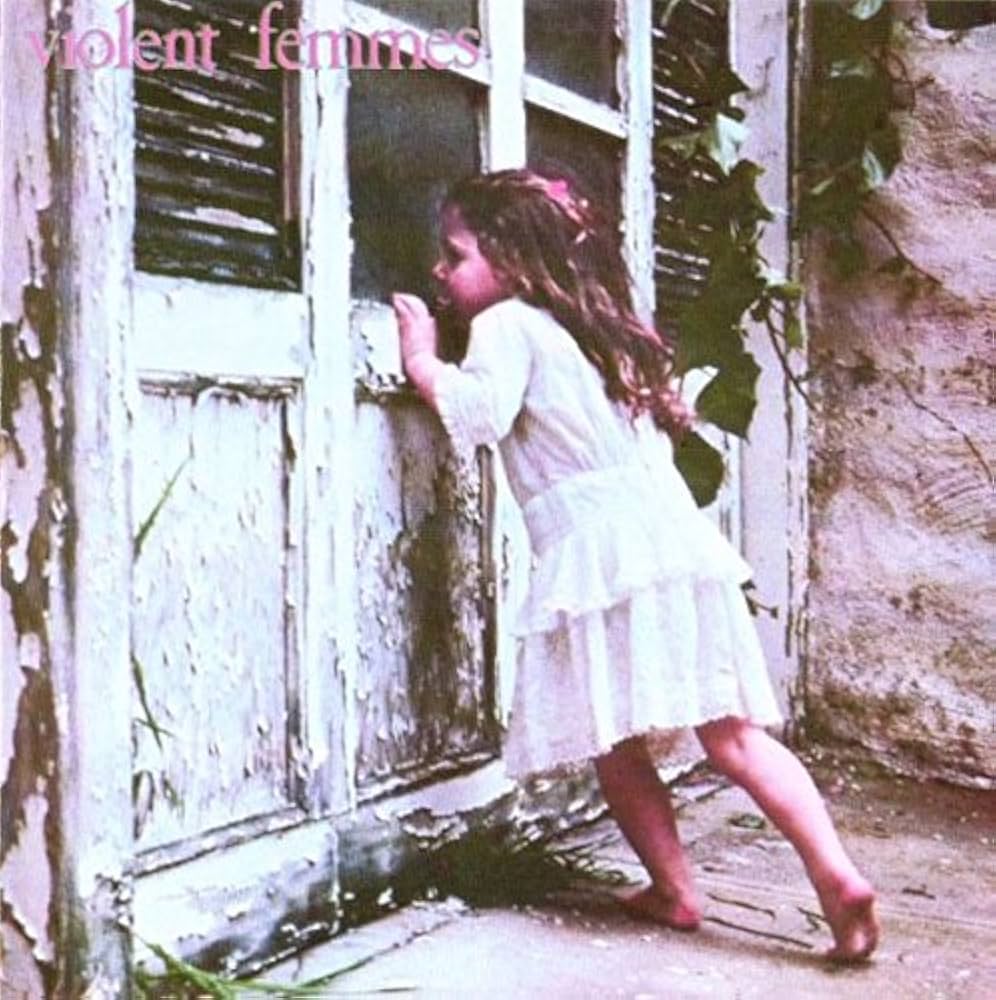
Some debut albums arrive with polished professionalism and years of major-label refinement. Others explode onto the scene with raw energy, youthful anxiety, and an unmistakable sense of authenticity. Violent Femmes, released in 1983, belongs firmly in the latter category.
Recorded on a modest budget and built around acoustic instruments rather than electric guitars, the album somehow became one of alternative rock’s defining records. Blending folk, punk, blues, and new wave into something entirely unique, the Milwaukee trio created a sound that was impossible to categorize. Their songs captured teenage frustration, awkward romance, loneliness, lust, insecurity, and rebellion with an honesty that few albums before—or since—have matched.
Commercial success came slowly, but the album eventually became one of the most beloved cult classics in rock history. Decades later, it continues to resonate with listeners discovering it for the first time, proving that emotional sincerity never goes out of style.
Album Overview
Violent Femmes consisted of just three musicians—Gordon Gano, Brian Ritchie, and Victor DeLorenzo—but they consistently sounded much larger.
Rather than relying on conventional rock arrangements, the band built its music around acoustic guitar, inventive bass lines, sparse percussion, and occasional unconventional instruments. The stripped-down instrumentation gives the album an intimacy that perfectly complements Gano’s deeply personal songwriting.
The record moves effortlessly between frantic punk energy, folk storytelling, blues influences, and quirky pop melodies. Every song feels connected by the band’s unmistakable personality, even as the musical styles shift from track to track.
Clocking in at just over 36 minutes, Violent Femmes never overstays its welcome. There is virtually no filler, and its relentless honesty makes it one of the most engaging debuts of the 1980s.
Songwriting
Gordon Gano’s songwriting is extraordinary because of its fearless vulnerability.
Instead of writing about grand political statements or larger-than-life characters, Gano focuses on the emotional chaos of adolescence. His songs are filled with insecurity, obsession, longing, frustration, and dark humor, making them feel intensely personal while remaining universally relatable.
“Blister in the Sun” opens the album with one of alternative rock’s most recognizable acoustic guitar riffs. Its infectious energy disguises lyrics that remain deliberately ambiguous and endlessly debated.
“Kiss Off” captures teenage anger with remarkable wit, culminating in one of rock’s most satisfying countdowns. Equal parts funny and cathartic, it has become an anthem for generations of frustrated outsiders.
“Please Do Not Go” showcases Gano’s ability to combine emotional desperation with irresistible melodies, while “Add It Up” stands as the album’s emotional centerpiece. Beginning as a quiet plea before building into a furious explosion of pent-up frustration, it remains one of the greatest alternative rock songs ever written.
Even quieter moments like “Good Feeling” and “Confessions” demonstrate impressive lyrical maturity beneath the band’s intentionally rough presentation.
Performance
Gordon Gano delivers one of the most distinctive vocal performances of the decade.
His nervous, almost frantic delivery perfectly captures the emotional instability of the songs. Technically, his voice is unconventional, but conventional singing would have undermined the album’s authenticity.
Every crack, shout, and whispered confession feels genuine.
Brian Ritchie deserves enormous praise for his bass playing.
His melodic, inventive bass lines frequently function as lead instruments, driving songs in ways rarely heard in rock music. They provide much of the album’s rhythmic identity while allowing the sparse arrangements to remain engaging.
Victor DeLorenzo’s percussion is equally inventive.
Using brushes, unconventional drum setups, and restrained rhythms, he creates grooves that support the songs without overpowering their intimate atmosphere.
Together, the trio demonstrates remarkable chemistry.
Production
Mark Van Hecke’s production wisely avoids overcomplicating the band’s sound.
Everything feels immediate and natural.
The acoustic guitars sound crisp without excessive polish, the bass remains warm and prominent, and Gano’s vocals sit comfortably at the center of the mix despite their intentionally rough edges.
Rather than attempting to disguise the band’s limitations, the production embraces them.
That honesty has helped the album age exceptionally well.
Many heavily produced albums from the early 1980s now sound tied to their era, while Violent Femmes remains timeless because it emphasizes performance over studio effects.
Its simplicity becomes one of its greatest strengths.
Standout Tracks
“Blister in the Sun”
One of alternative rock’s defining songs. Its unforgettable acoustic riff and manic energy have made it a permanent fixture of college radio, films, and popular culture.
“Add It Up”
An extraordinary slow burn that builds from quiet frustration into explosive emotional release. Easily one of the finest songs of the 1980s.
“Kiss Off”
Funny, bitter, rebellious, and endlessly quotable, this fan favorite captures youthful anger better than almost any song of its era.
“Gone Daddy Gone”
Driven by Brian Ritchie’s melodic bass and unusual xylophone arrangement, this quirky classic demonstrates the band’s willingness to experiment.
“Good Feeling”
A surprisingly tender album closer that provides a gentle emotional resolution after so much intensity.
Weak Points
Violent Femmes intentionally rejects polished musicianship and traditional production values.
Listeners expecting technically refined vocals or elaborate arrangements may initially find the performances abrasive or amateurish. Gordon Gano’s unique singing style is particularly divisive and remains an acquired taste for some listeners.
Additionally, the album’s relentless emotional intensity leaves little room for lighter moments beyond its occasional dark humor.
These qualities are inseparable from the record’s identity and are more likely to attract devoted fans than discourage them.
Legacy
Few debut albums have had a greater influence on alternative rock.
Violent Femmes became a blueprint for countless indie, folk-punk, and alternative artists who recognized that emotional honesty could matter more than technical perfection.
Its songs have remained remarkably visible in popular culture through films, television, commercials, and cover versions, introducing new generations to the band’s singular sound.
Artists ranging from Nirvana and The Decemberists to Bright Eyes and countless indie bands have drawn inspiration from its combination of acoustic instrumentation, punk attitude, and confessional songwriting.
Perhaps most importantly, the album proved there was an audience for music that embraced awkwardness rather than hiding it.
That authenticity remains its greatest achievement.
Final Score
9.5/10
Violent Femmes is one of the greatest debut albums in alternative rock history. Gordon Gano’s fearless songwriting, the band’s inventive acoustic arrangements, and the record’s raw emotional honesty combine to create an album unlike any other. While its unconventional vocals and stripped-down production won’t appeal to everyone, its originality, consistency, and lasting influence make it a near-perfect masterpiece that continues to inspire listeners more than four decades after its release.
This post has already been read 67 times!