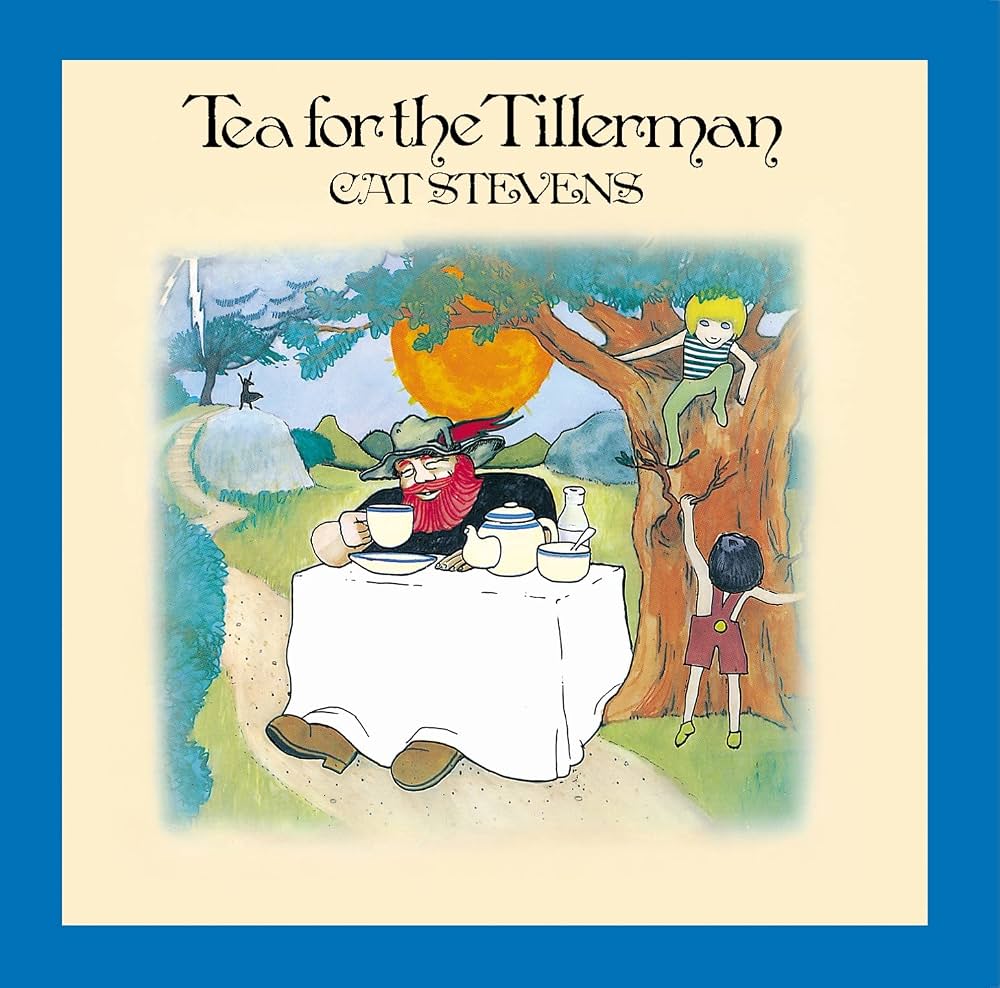
Released in late 1970, Cat Stevens’ Tea for the Tillerman stands as a defining, landmark record that helped establish the intimate, introspective singer-songwriter aesthetic that would dominate the decade. Moving away from the heavier, psych-influenced sounds of the late-sixties, the album features a warm, organic production defined by gentle acoustic guitar arrangements, tasteful, understated piano, and Stevens’ signature, conversational vocal delivery. It is a record characterized by its remarkable, cohesive emotional sincerity, showcasing Stevens not just as a profound, poetic songwriter, but as a master of creating an intimate, timeless atmosphere that felt entirely distinct from the heavier, volume-driven trends dominating the broader pop landscape.
The Architecture of Folk-Pop Intimacy
At the heart of the album’s brilliance is Stevens’ synthesis of folk, rock, and pop traditions into a cohesive, highly nuanced soundscape. He favored a light, textured arrangement style that allowed his vocals to occupy the primary emotional space of every composition. The resulting sound is fluid, organic, and rhythmically gentle, prioritizing the warmth of acoustic textures and the precise, understated interplay of his backing ensemble over the bombastic arrangements of the era.
-
Wild World: The track serves as a quintessential monument of Stevens’ folk-pop style, anchored by a sophisticated, gentle acoustic arrangement and a melody that feels both comforting and deeply personal.
-
Father and Son: Featuring a delicate, atmospheric acoustic-guitar foundation and Stevens’ most evocative, poetic lyrical imagery, this song functions as a perfect example of his ability to blend personal, introspective longing with a sense of universal, elemental scale.
The Fusion of Intimacy and Orchestral Scope
While Tea for the Tillerman is defined by its warm, intimate appeal, the record’s brilliance is equally evident in its foundational engagement with a sophisticated, melodic pop sensibility. Stevens worked to ensure that the instrumental arrangements felt as precise, articulate, and harmonically rich as his vocal performances, creating a unified, high-fidelity soundscape that embraced the expansive possibilities of the studio without ever losing the raw, vulnerable intensity of his performance style.
-
Where Do the Children Play?: This track offers a brilliant, kinetic example of the album’s structural sophistication, using a steady folk-pop rhythm and evocative, storytelling-focused lyricism to capture a moment of profound, personal epiphany.
-
Hard Headed Woman: A rhythmically complex masterpiece of folk-inflected pop, this song highlights Stevens’ improvisational prowess, serving as a definitive showcase for his unique, technical, and immensely evocative vocal delivery.
The Legacy of the Singer-Songwriter Standard
The historical fallout of Tea for the Tillerman permanently altered the structural DNA of the entire singer-songwriter, folk-pop, and pop industry. By proving that a recording could be a densely constructed, meticulously layered, and deeply nuanced atmospheric statement—while never losing the raw, visceral intensity of its folk and rock roots—Stevens provided a definitive roadmap for generations of artists who prioritized technical tonal innovation, vocal precision, and studio-based sound design.
-
Cultural Impact: The album successfully legitimized the use of radical, improvisational, and deeply introspective themes within the commercial pop-music landscape.
-
Artistic Influence: By proving that an artist could be simultaneously experimental, rhythmically complex, and deeply influential, Cat Stevens shattered the established rules for what a solo performer could conceptually achieve.
Conclusion: A Masterpiece of Sovereign Grace
Tea for the Tillerman remains an extraordinary, vital masterpiece because it captures Cat Stevens at the exact moment he mastered the art of studio-based storytelling and tonal dominance. It is an album that feels perfectly composed, elegantly contained, and remarkably forward-thinking, standing as a timeless monument to the power of harmonic innovation, tonal discipline, and deeply observant, panoramic lyricism. It is a flawless, genre-defining classic that remains as intricate, haunting, and beautiful today as it was the moment the final chord faded into the ether.
Final Score: 9.5 / 10
This post has already been read 66 times!