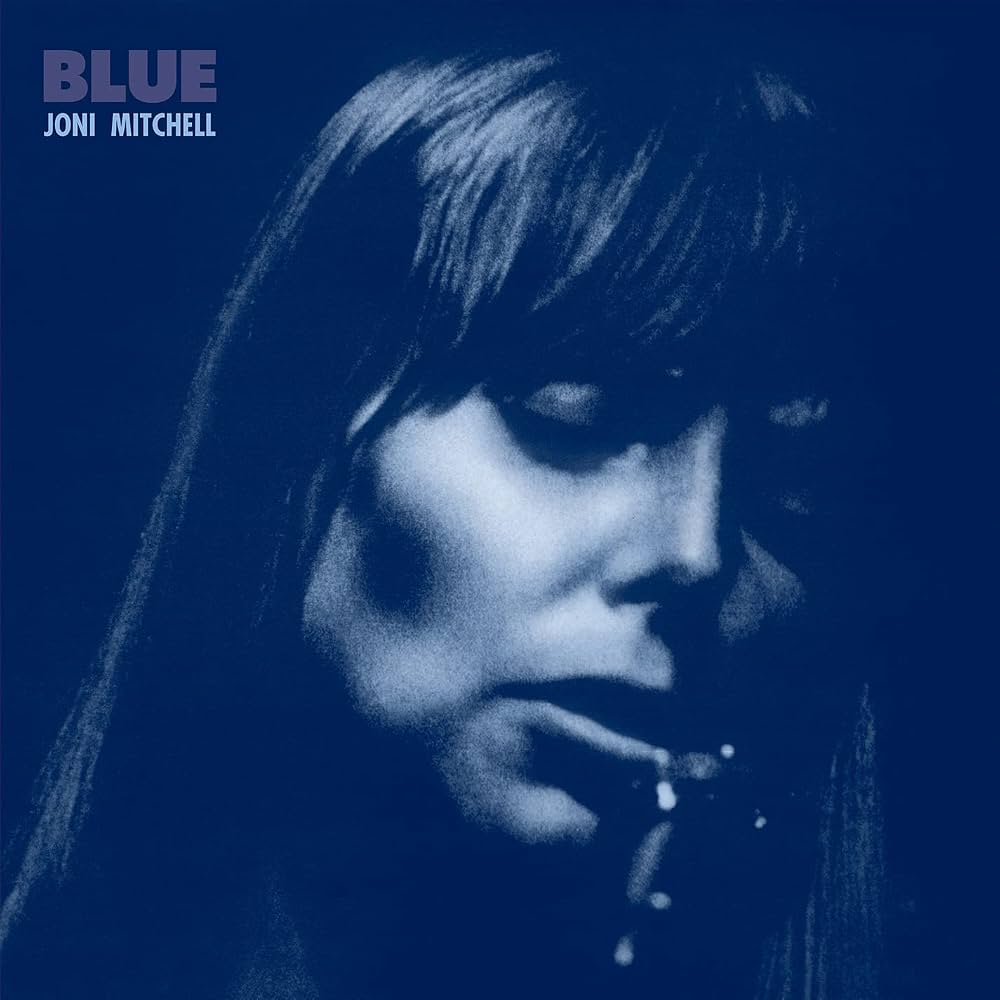
Joni Mitchell’s Blue, which arrived in June 1971, stands as the definitive, foundational document of the singer-songwriter era, capturing an artist at the absolute zenith of her creative, emotional, and introspective power. Recorded during a period of intense personal transition and romantic restlessness, the album is a masterpiece of unsparing vulnerability, melodic innovation, and lyrical precision. It is a record characterized by its remarkably sparse, acoustic-driven production—primarily featuring Mitchell on piano, dulcimer, and guitar—which masterfully stripped away all artifice to leave only the raw, resonant immediacy of her voice and storytelling, creating a profoundly immersive and cohesive landscape that remains one of the most honest and technically accomplished records of its generation.
The Architecture of Intimate Songcraft
At the heart of the album’s brilliance is Mitchell’s unparalleled capacity to craft compositions that feel both deeply private and universally resonant. By rejecting the lush, orchestral artifice common to the pop music of the early seventies, she utilized the recording studio as an autonomous tool to highlight the stark, fragile, and distinctively expressive quality of her vocal delivery. This deliberate austerity allowed the complex lyrical themes of personal freedom, the agony of lost love, and the challenges of professional transition to take center stage, effectively establishing a new, permanent template for the introspective singer-songwriter.
-
A Case of You: The track serves as a quintessential monument of Mitchell’s dulcimer-based, observational storytelling, featuring a sophisticated, melody-rich arrangement that perfectly captures the song’s themes of emotional vulnerability and mature, reflective acceptance.
-
Blue: Featuring a sparse, haunting piano-driven foundation and Mitchell’s signature, conversational, yet intense vocal delivery, this song functions as a perfect example of her ability to blend personal, introspective sorrow with a profound, accessible sense of universal, human connection.
The Fusion of Folk Tradition and Pop Scope
While the record is defined by its warm, intimate appeal, its brilliance is equally evident in its foundational engagement with a sophisticated, melodic sensibility that embraced an honest, stripped-back aesthetic. Mitchell worked to ensure that the instrumental arrangements felt as precise, articulate, and harmonically rich as her vocal performances, creating a unified, high-fidelity soundscape that embraced the expansive possibilities of the studio without ever losing the raw, vulnerable intensity of her signature performance style.
-
Carey: This track offers a brilliant, kinetic example of the album’s structural sophistication, using a steady, folk-rock rhythm and evocative, storytelling-focused lyricism to capture a moment of profound, personal wanderlust.
-
River: A rhythmically complex, brooding masterpiece of piano-inflected folk, this song highlights Mitchell’s improvisational prowess, serving as a definitive showcase for her unique, technical, and immensely evocative vocal delivery that moves fluidly between folk and pop-influenced structures.
The Legacy of the Singer-Songwriter Standard
The historical impact of Blue permanently altered the structural DNA of the entire singer-songwriter, folk-pop, and pop-rock industry. By proving that a recording could be a densely constructed, meticulously layered, and deeply nuanced atmospheric statement—while never losing the raw, visceral intensity of its folk roots—Mitchell provided a definitive roadmap for generations of artists who prioritized technical tonal innovation, vocal precision, and studio-based sound design.
-
Cultural Impact: The album successfully legitimized the use of radical, improvisational, and deeply introspective themes within the commercial pop-music landscape.
-
Artistic Influence: By proving that an artist could be simultaneously experimental, rhythmically complex, and deeply influential, Joni Mitchell shattered the established rules for what a solo performer could conceptually achieve.
Conclusion: A Masterpiece of Sovereign Honesty
Ultimately, Blue endures because it balances its stark, harrowing emotional clarity with an astonishing level of musical craftsmanship. It is an album that succeeds by turning the most difficult facets of the human experience into beautiful, crystalline songs, proving that Mitchell’s most powerful tool was her refusal to compromise her truth. By blending delicate, innovative instrumentation with a raw, unpretentious lyrical honesty, she created a timeless work that stands as a testament to both her singular vision and her lasting impact on the pop landscape.
Final Score: 10 / 10
This post has already been read 82 times!