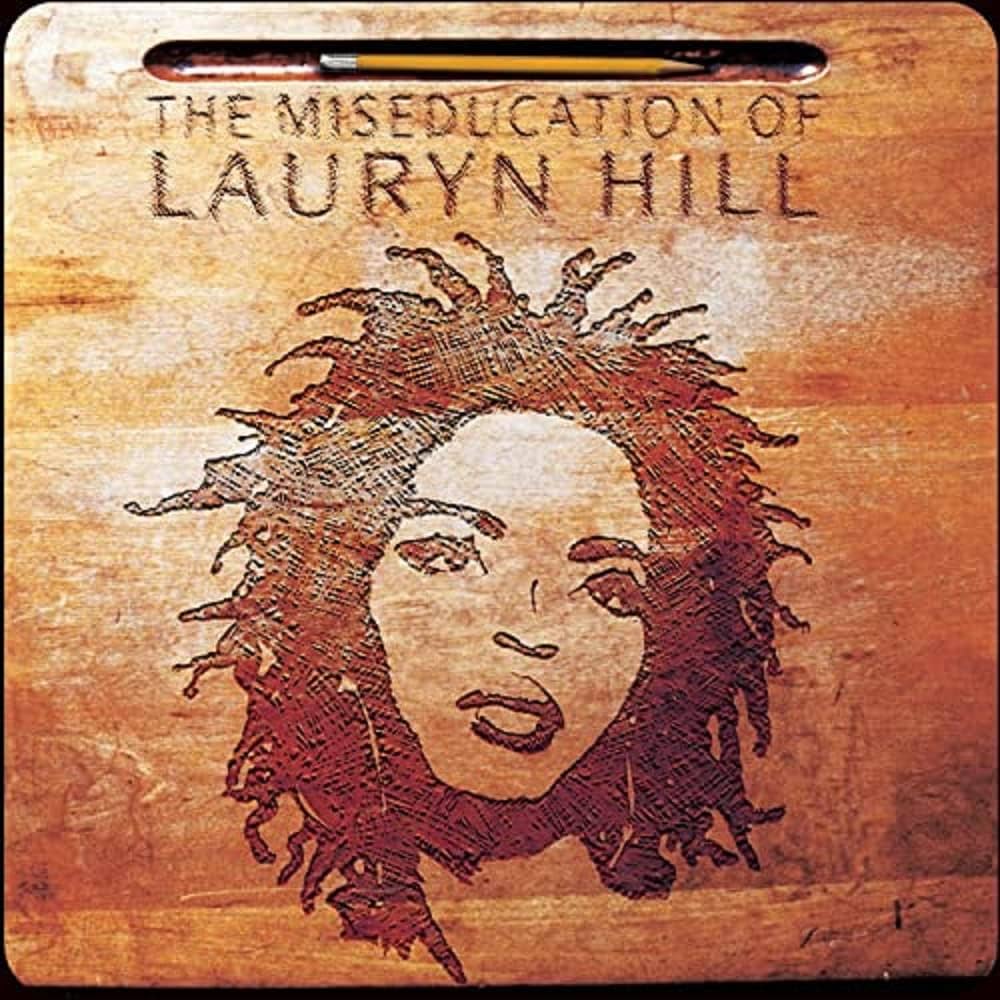
Solo albums from members of successful groups often struggle to escape the shadow of their previous work. Lauryn Hill accomplished the opposite. Following the groundbreaking success of the Fugees, she released The Miseducation of Lauryn Hill in 1998 and immediately established herself as one of the most important voices of her generation.
Drawing from hip-hop, soul, R&B, gospel, reggae, and neo-soul, Hill created an intensely personal album that explored love, motherhood, spirituality, heartbreak, identity, race, and self-worth with remarkable honesty. It was both a commercial phenomenon and a critical triumph, debuting at No. 1, winning five Grammy Awards—including Album of the Year—and permanently reshaping expectations of what contemporary R&B and hip-hop albums could accomplish.
More than two decades later, The Miseducation of Lauryn Hill remains one of the defining masterpieces of modern popular music.
Album Overview
What immediately distinguishes The Miseducation of Lauryn Hill is its emotional authenticity.
Every song feels deeply lived rather than carefully manufactured. Hill doesn’t present herself as flawless or invincible. Instead, she openly examines love, insecurity, betrayal, faith, family, and personal growth with uncommon vulnerability.
Musically, the album blends genres with remarkable ease.
Classic soul arrangements coexist with hip-hop beats, reggae rhythms, gospel harmonies, acoustic instruments, and contemporary R&B production. Rather than sounding like separate influences stitched together, everything feels completely natural.
Interludes featuring classroom discussions reinforce the album’s themes of learning and emotional maturity without becoming distracting.
The result is an album that flows beautifully from beginning to end.
Songwriting
Lauryn Hill’s songwriting is extraordinary.
She possesses the rare ability to write songs that are simultaneously intimate and universal, turning deeply personal experiences into reflections that resonate across generations.
“Lost Ones” opens the album with confidence and lyrical precision, delivering one of Hill’s strongest rap performances while establishing the emotional honesty that defines the record.
“Doo Wop (That Thing)” brilliantly balances social commentary with infectious hooks, encouraging both men and women to value self-respect without sacrificing musical accessibility.
“Ex-Factor” remains one of the greatest breakup songs ever written. Hill captures the frustration of loving someone despite knowing the relationship cannot survive, expressing emotional contradictions with devastating clarity.
“To Zion,” inspired by the birth of her son, celebrates motherhood with breathtaking sincerity. Few songs communicate unconditional love so powerfully.
“Everything Is Everything” offers hope amid uncertainty, blending thoughtful lyricism with uplifting melodies that have become timeless.
Even quieter moments like “Nothing Even Matters,” “When It Hurts So Bad,” and “Tell Him” demonstrate astonishing consistency.
There is virtually no filler.
Performance
Lauryn Hill delivers one of the greatest vocal performances ever captured on record.
She effortlessly alternates between soulful singing and technically brilliant rapping, often within the same song.
As a singer, her voice combines warmth, vulnerability, gospel power, and emotional precision.
As an MC, she possesses remarkable flow, confidence, and lyrical dexterity without sacrificing clarity or emotional depth.
Few artists have ever excelled equally in both disciplines.
The supporting musicians deserve equal recognition.
Live instrumentation gives the album tremendous warmth, while tasteful backing vocals and understated arrangements consistently allow Hill to remain the emotional focal point.
Every performance serves the songs rather than individual ego.
Production
The production is one of the album’s greatest triumphs.
Unlike many late-1990s R&B and hip-hop releases dominated by glossy digital production, The Miseducation of Lauryn Hill emphasizes organic instrumentation.
Warm bass lines, live drums, pianos, guitars, strings, and gospel-inspired harmonies create a timeless sonic landscape.
The beats remain understated but deeply effective.
Every production decision reinforces the emotional honesty of the lyrics rather than distracting from them.
As a result, the album has aged extraordinarily well.
Its sound remains fresh more than twenty-five years after its release.
Standout Tracks
“Doo Wop (That Thing)”
One of the defining songs of the 1990s. Hill effortlessly blends rap, soul, and social commentary into an unforgettable classic.
“Ex-Factor”
A heartbreaking masterpiece featuring one of the greatest vocal performances of Hill’s career. Its emotional honesty continues to resonate across generations.
“Everything Is Everything”
An uplifting anthem filled with hope, wisdom, and beautifully layered production.
“To Zion”
A profoundly moving celebration of motherhood that ranks among the most heartfelt songs ever written on the subject.
“Lost Ones”
A fiery lyrical showcase demonstrating Hill’s extraordinary skills as an MC.
“Nothing Even Matters”
A gorgeous duet with D’Angelo that perfectly captures the intimacy and warmth running throughout the album.
Weak Points
Finding meaningful weaknesses on The Miseducation of Lauryn Hill is exceptionally difficult.
At just over 75 minutes, the album occasionally asks for considerable attention, and a few of the spoken interludes slightly interrupt the musical flow for listeners returning primarily for the songs.
Even so, those moments reinforce the album’s conceptual framework and contribute to its overall emotional narrative.
There are remarkably few genuine flaws.
Legacy
Very few albums have influenced modern music as profoundly as The Miseducation of Lauryn Hill.
It demonstrated that hip-hop and R&B could be deeply introspective, socially conscious, spiritually reflective, and commercially successful simultaneously.
Artists including Alicia Keys, Beyoncé, John Legend, Kendrick Lamar, J. Cole, H.E.R., SZA, and countless others have cited Hill’s songwriting, vocal performances, and genre-blending approach as foundational influences.
The album also became the first hip-hop-oriented release to win the Grammy Award for Album of the Year, helping broaden mainstream recognition of the genre’s artistic possibilities.
More than twenty-five years later, The Miseducation of Lauryn Hill remains the standard against which many soul, R&B, and hip-hop albums continue to be measured.
Its emotional honesty, extraordinary musicianship, and timeless songwriting have secured its place among the greatest albums ever recorded.
Final Score
10/10
The Miseducation of Lauryn Hill is a masterpiece of songwriting, performance, and emotional truth. Lauryn Hill seamlessly blends hip-hop, soul, R&B, gospel, and reggae into a deeply personal work that remains universally relatable decades after its release. Every aspect of the album—from its unforgettable melodies and lyrical brilliance to its warm production and breathtaking vocal performances—is executed at an extraordinary level. It stands not only as Lauryn Hill’s defining achievement but as one of the greatest albums in the history of popular music.
This post has already been read 83 times!