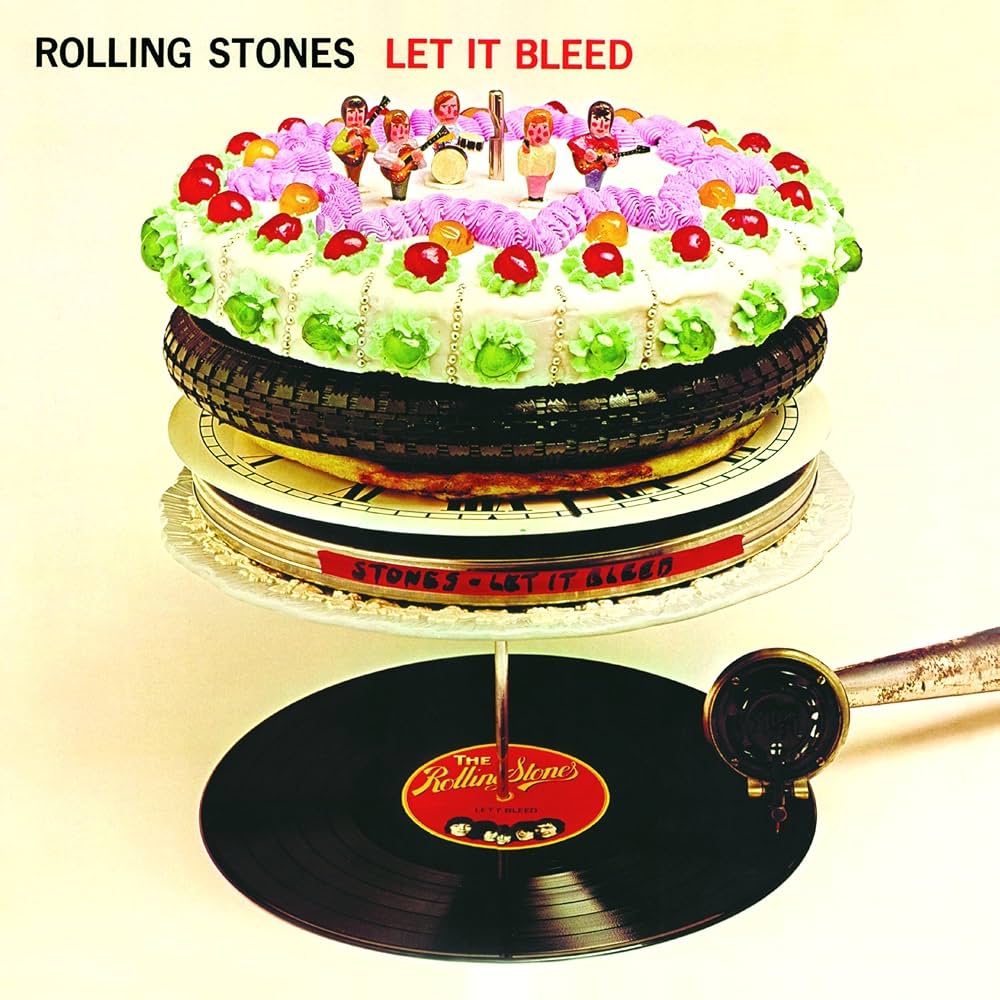
The release of The Rolling Stones’ Let It Bleed in December 1969 stands as a monumental, dark, and highly influential masterpiece that effectively signaled the end of the 1960s psychedelic dream. Recorded during a period of immense internal turbulence, including the declining health and eventual departure of founding guitarist Brian Jones, the album captures the band at their most cynical, world-weary, and creatively fertile peak. It is a record characterized by its raw, blues-drenched grit, acoustic intimacy, and a sophisticated, apocalyptic tension that mirrored the broader social and political disillusionment permeating the era.
The Architecture of Apocalyptic Blues
At the heart of the album’s brilliance is the band’s unflinching engagement with themes of decay, violence, and terminal disenchantment. Moving away from the pop-oriented experiments of their previous work, Let It Bleed returns to the band’s foundational roots in American blues, but presents them through a warped, contemporary lens that feels entirely original and unsettling. The production, overseen by Jimmy Miller, balances the explosive, hard-rocking energy of tracks like “Gimme Shelter” with the haunting, acoustic fragility of “You Got the Silver,” creating a record that operates as a panoramic, deeply immersive portrait of an era coming to a violent, chaotic close.
-
Gimme Shelter: This opening track serves as an absolute, definitive document of the late-sixties zeitgeist, blending a tense, apocalyptic guitar riff with Merry Clayton’s searing, bone-chilling vocal performance to create a soundscape of sheer, unadulterated dread.
-
You Can’t Always Get What You Want: Closing the record with a sprawling, multi-layered choral arrangement, this track serves as a cynical, world-weary anthem of resignation, perfectly capturing the duo’s signature ability to balance melodic sophistication with a deeply rooted, nihilistic skepticism.
The Fusion of Grit and Orchestral Scope
While the record is defined by its raw, unvarnished blues-rock core, it also demonstrates a sophisticated, adventurous approach to orchestration and studio-based experimentation. The band utilized the recording studio as an essential, collaborative partner, layering shimmering acoustic guitars, intricate, rhythmically complex percussion, and haunting, gospel-infused vocal arrangements to build a sonic landscape that was far more dense, atmospheric, and rhythmically ambitious than anything they had previously committed to tape.
-
Country Honk: This track provides a gritty, highly stylized, and intentionally rough-hewn exploration of the band’s fascination with American country-and-western music, showcasing their ability to inhabit and simultaneously subvert a musical tradition with a sense of playful, ironic detachment.
-
Midnight Rambler: A sprawling, multi-part masterpiece of dynamic tension, this song highlights the band’s improvisational prowess, moving from a tense, blues-inflected opening into an explosive, high-energy rock climax that perfectly mirrors the track’s dark, predatory narrative.
The Legacy of the World-Weary Standard
The historical fallout of Let It Bleed permanently altered the structural DNA of the late-1960s music industry, establishing a direct line of creative heredity that would fuel the entire rise of hard rock, dark art-pop, and the cynical, artist-driven statements of the 1970s. By prioritizing the raw, unvarnished truth of the streets and the expansive, experimental possibilities of the recording studio over the comfortable, sanitized illusions of the mainstream, the record provided the essential blueprint for the artist who prioritized creative integrity over commercial ease.
-
Cultural Impact: The album successfully legitimized the use of radical, improvisational, and deeply cynical themes within the commercial pop-music landscape.
-
Artistic Influence: By proving that a group could be simultaneously experimental, socially aware, and deeply influential, The Rolling Stones shattered the established rules for what a rock band could conceptually achieve.
Conclusion: A Masterpiece of Sovereign Decay
Let It Bleed remains an extraordinary, vital masterpiece because its stark, honest, and deeply visionary focus has lost absolutely none of its power. It is an album born from an intense, uncompromising need to confront the changing realities of the world, standing as a timeless monument to the necessity of artistic evolution, intellectual independence, and pure, concentrated sonic energy. It is a flawless, genre-defining classic that remains the ultimate Rosetta Stone for any musician who dares to look into the darkness and capture what they see.
Final Score: 10 / 10
This post has already been read 66 times!