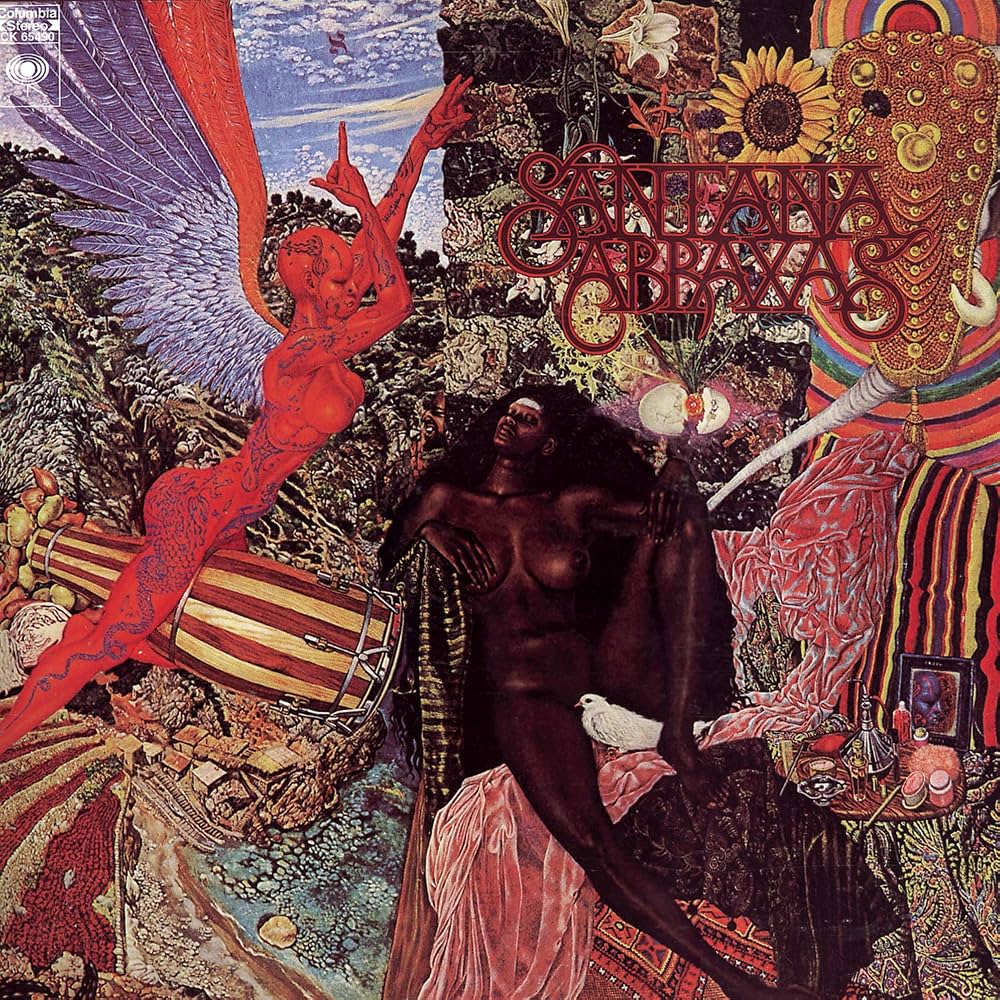
The 1970 release of Santana’s Abraxas serves as a landmark achievement, effectively cementing the group’s revolutionary fusion of Latin rhythms, jazz-influenced improvisation, and psychedelic rock. Moving beyond the foundational energy of their debut, the album is defined by a sophisticated, warm, and intricately layered production that showcases Carlos Santana’s unparalleled ability to blend soaring, sustained lead-guitar work with a rhythm section deeply rooted in percussion-heavy Afro-Cuban traditions. It is a record characterized by its vibrant, kinetic diversity, representing a moment where a band successfully navigated the complex space between accessible, dance-oriented pop and challenging, jazz-inflected experimentalism.
The Architecture of Latin-Psych Fusion
At the heart of the album’s brilliance is the band’s unique capacity to synthesize seemingly disparate musical worlds into a cohesive, highly nuanced soundscape. By integrating traditional congas, timbales, and bongos with blues-rock structures and modal jazz improvisation, the group created a sonic identity that was entirely their own. The resulting sound is fluid, organic, and rhythmically authoritative, prioritizing the warm, expressive tone of Santana’s lead guitar and the precise, polyrhythmic interplay of the percussionists over the standard rock-and-roll arrangements of the era.
-
Oye Como Va: This iconic track stands as a definitive monument of the Latin-rock fusion, anchored by an infectious, driving rhythm and Carlos Santana’s signature, bell-like, and fluid guitar phrasing.
-
Black Magic Woman: Featuring a dark, simmering, and rhythmically complex foundation, this song functions as a perfect example of the band’s ability to blend intense, blues-rooted vocal expression with expansive, jazz-inflected instrumental breaks.
The Fusion of Intimacy and Orchestral Scope
While Abraxas is defined by its vibrant, danceable appeal, the record’s brilliance is equally evident in its foundational engagement with a sophisticated, melodic, and atmospheric pop sensibility. The band worked to ensure that the instrumental arrangements felt as precise, articulate, and harmonically rich as the lead performances, creating a unified, high-fidelity soundscape that embraced the expansive possibilities of the studio without ever losing the raw, vulnerable intensity of their signature live-wire style.
-
Samba Pa Ti: This track offers a brilliant, kinetic example of the album’s structural sophistication, using a slow, steady, and rhythmically patient arrangement to showcase Santana’s evocative, storytelling-focused lead work.
-
Se a Cabó: A rhythmically complex masterpiece, this song highlights the band’s improvisational prowess, serving as a definitive showcase for the group’s unique, technical, and immensely evocative instrumental interplay.
The Legacy of the Fusion Standard
The historical fallout of Abraxas permanently altered the structural DNA of the entire jazz-rock, Latin-rock, and pop industry. By proving that a recording could be a densely constructed, meticulously layered, and deeply nuanced atmospheric statement—while never losing the raw, visceral intensity of its Latin roots—Santana provided a definitive roadmap for generations of artists who prioritized technical tonal innovation, rhythmic precision, and studio-based sound design.
-
Cultural Impact: The album successfully legitimized the use of radical, improvisational, and deeply fusion-oriented themes within the commercial pop-music landscape.
-
Artistic Influence: By proving that a band could be simultaneously experimental, rhythmically complex, and deeply influential, Santana shattered the established rules for what a rock band could conceptually achieve.
Conclusion: A Masterpiece of Sovereign Artistry
Abraxas remains an extraordinary, vital masterpiece because it captures Santana at the exact moment they mastered the art of studio-based storytelling and tonal dominance. It is an album that feels perfectly composed, elegantly contained, and remarkably forward-thinking, standing as a timeless monument to the power of harmonic innovation, tonal discipline, and deeply observant, panoramic lyricism. It is a flawless, genre-defining classic that remains as intricate, haunting, and beautiful today as it was the moment the final chord faded into the ether.
Final Score: 10 / 10
This post has already been read 54 times!